
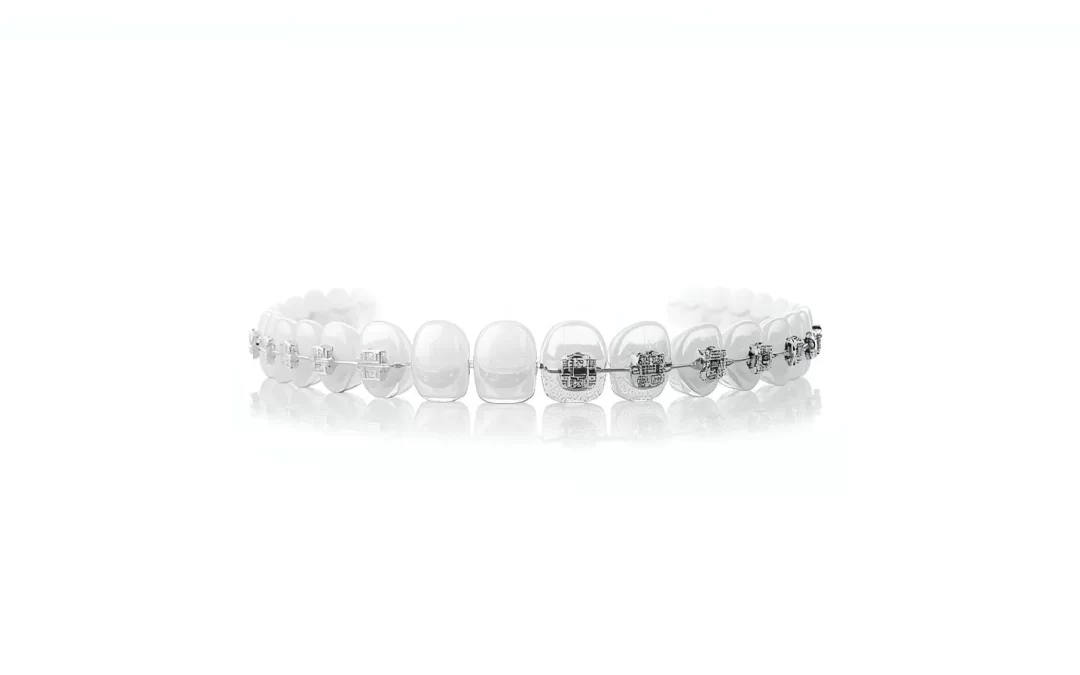
Many adults and teens want straighter teeth but do not like the idea of metal braces. Clear aligners, such as Invisalign and ClearCorrect, offer a more discreet way to improve your smile. Both systems use clear plastic trays to gently move your teeth into better positions over time.
This article explains Invisalign vs ClearCorrect in simple terms. You will learn how they work, how they are different, what treatment is like, what they may cost, and how to decide which option might be right for you.
Table of Contents
- What Are Clear Aligners?
- Invisalign vs ClearCorrect: Basic Overview
- Who Is a Good Candidate?
- What to Expect During Treatment
- Key Differences Between Invisalign and ClearCorrect
- Cost and Insurance Considerations
- Risks, Care Tips, and Prevention
- When to See a Dentist or Orthodontist
- Summary
- Frequently Asked Questions
What Are Clear Aligners?
Clear aligners are removable, see-through trays that fit snugly over your teeth. They are custom-made for your mouth and are designed to move your teeth a little bit at a time.
Both Invisalign and ClearCorrect are brands of clear aligners. They can help fix problems such as:
- Crooked or crowded teeth
- Gaps between teeth
- Overbite (top teeth stick out too far)
- Underbite (bottom teeth stick out in front)
- Crossbite (some top teeth bite inside the bottom teeth)
- Open bite (front teeth do not touch when you bite down)
Unlike metal braces, clear aligners do not use brackets or wires. You can remove them to eat, brush, and floss, which makes them easier to keep clean and more comfortable for many people.
Invisalign vs ClearCorrect: Basic Overview
Invisalign
Invisalign is the most well-known clear aligner brand. It has been around since the late 1990s and is widely used by dentists and orthodontists. Invisalign uses a series of custom-made plastic trays that you change every 1-2 weeks. Advanced computer software plans your tooth movements from start to finish.
ClearCorrect
ClearCorrect is another clear aligner brand that works in a very similar way. It also uses custom trays and digital planning. Some dentists and orthodontists prefer ClearCorrect because of its design options, pricing structures, or the way the trays fit.
How They Are Similar
Invisalign and ClearCorrect are more alike than different. Both:
- Use clear, nearly invisible plastic trays
- Are custom-made from digital scans or impressions of your teeth
- Are worn 20-22 hours per day for best results
- Are removed for eating, drinking anything other than water, and brushing
- Require regular checkups with your dentist or orthodontist
- Can treat mild to many moderate and some complex alignment problems
Who Is a Good Candidate?
Clear aligners like Invisalign and ClearCorrect are often a good choice for:
- Adults and teens who want a discreet treatment
- People with mild to moderate crowding or spacing
- Patients who can commit to wearing aligners most of the day
- People who want to remove their aligners for special events, sports, or playing instruments
They may not be ideal for:
- Very young children (who may not follow wear instructions)
- Severe bite problems that need more complex orthodontic tools
- Patients who frequently lose or break dental appliances
Your dentist or orthodontist will examine your teeth, take X-rays, and review your goals to decide if Invisalign or ClearCorrect is appropriate, or if traditional braces would work better.
What to Expect During Treatment
1. Initial Consultation
At your first visit, your dentist or orthodontist will:
- Review your dental and medical history
- Look at your teeth, bite, and jaw alignment
- Take X-rays and photos
- Discuss your goals and concerns
- Explain Invisalign vs ClearCorrect and recommend an option
This is a good time to ask about expected treatment time, cost, and payment options.
2. Digital Scans or Impressions
Next, the office will create a model of your teeth using either:
- A digital scanner that takes 3D images of your teeth, or
- Traditional impressions using soft putty material
These records are sent to Invisalign or ClearCorrect to design your custom treatment plan.
3. Treatment Plan and Preview
Using computer software, your dentist or orthodontist will plan how each tooth will move. Many offices can show you a digital preview of how your smile may look at the end of treatment. You will also receive an estimate of how long treatment will take, often between 6 and 24 months, depending on your case.
4. Getting Your Aligners
Once your aligners are ready, you will return to the office to:
- Try on the first set of trays
- Possibly have small tooth-colored “attachments” placed on some teeth to help the aligners grip and move them
- Receive instructions on how to wear and clean your aligners
Most patients change to a new set of aligners every 1-2 weeks, as directed.
5. Daily Life With Aligners
During treatment, you can expect:
- Mild pressure or soreness for a few days when starting a new tray
- To remove aligners when eating or drinking anything except water
- To brush and floss after meals before putting aligners back in
- To wear aligners 20-22 hours per day for best results
Most people adjust quickly and can speak normally within a few days.
6. Checkup Visits
You will see your dentist or orthodontist every 4-8 weeks. At these visits, they will:
- Check your progress
- Make sure your teeth are moving as planned
- Give you your next sets of aligners
- Make any needed adjustments
7. Finishing Treatment and Retainers
When you reach your final aligner, your dentist will evaluate your results. Many patients will need a retainer to keep teeth from shifting back. Retainers may be clear trays or thin wires placed behind the teeth. Wearing your retainer as directed is essential to protect your new smile.
Key Differences Between Invisalign and ClearCorrect
While Invisalign and ClearCorrect are similar, there are some differences your dentist may consider:
- Tray thickness and fit: ClearCorrect trays are sometimes slightly thinner, which some patients find a bit more flexible. Invisalign trays may feel a bit more rigid. Comfort can be very personal.
- Treatment options: Both offer different levels of treatment (for minor to more complex cases). Your provider will choose the level that fits your needs and budget.
- Attachments and tools: Invisalign has a wide range of attachments and features for complex tooth movements. ClearCorrect also has tools for more difficult cases, and both systems continue to improve.
- Provider preference: Some dentists and orthodontists have more experience with one brand. Experience and skill often matter more than the brand itself.
- Cost differences: In some offices, ClearCorrect may be slightly less expensive than Invisalign, but this is not always the case. Pricing depends on your location, the complexity of your case, and the provider’s fees.
For most patients, both Invisalign and ClearCorrect can provide excellent results when used by an experienced professional and worn as directed.
Cost and Insurance Considerations
Typical Cost Ranges
Costs can vary widely, but in many areas of the U.S. you might expect:
- Mild cases: Around $2,000-$3,500
- Moderate cases: Around $3,500-$5,500
- Complex cases: Up to $6,000-$8,000 or more
Invisalign and ClearCorrect are often in a similar price range. Sometimes ClearCorrect may be slightly lower, but not always. Only a consultation can give you a realistic estimate.
Insurance Coverage
Many dental insurance plans that cover orthodontic treatment will help pay for clear aligners. Important points:
- Coverage is often a set dollar amount (for example, up to $1,000-$2,000) rather than a full payment.
- There may be age limits, such as coverage only up to age 18 or 19.
- Some plans cover clear aligners at the same rate as braces; others may cover less.
- There may be waiting periods before orthodontic benefits begin.
Ask your dental office to check your benefits and provide a written estimate before starting treatment.
Payment Options
Most offices understand that Invisalign and ClearCorrect are significant investments. Common options include:
- Monthly payment plans through the dental office
- Third-party financing companies
- Using Health Savings Accounts (HSA) or Flexible Spending Accounts (FSA)
- Paying in full with a possible discount
Risks, Care Tips, and Prevention
Possible Risks and Side Effects
Clear aligners are generally safe, but there are some possible issues:
- Mild soreness or pressure when changing trays
- Temporary changes in speech (usually improve in a few days)
- Irritation of gums or cheeks from tray edges
- Increased risk of cavities or gum problems if you do not brush and floss well
- Teeth not moving as planned if aligners are not worn enough
How to Care for Your Aligners
- Rinse aligners with cool water when you remove them.
- Brush them gently with a soft toothbrush (no harsh toothpaste) at least once a day.
- Do not use hot water, which can warp the plastic.
- Store aligners in their case when not in your mouth.
- Do not eat or drink anything but water while wearing them to avoid staining and damage.
Prevention and Long-Term Care
To keep your smile straight and healthy after Invisalign or ClearCorrect:
- Wear your retainer exactly as directed.
- Keep regular dental checkups and cleanings.
- Brush twice a day and floss daily.
- Limit sugary snacks and drinks to reduce cavity risk.
When to See a Dentist or Orthodontist
Consider scheduling a consultation if you:
- Are unhappy with crooked, crowded, or gapped teeth
- Have trouble cleaning between teeth because they overlap
- Notice your bite feels “off” or your teeth do not meet properly
- Had braces in the past and your teeth have shifted
Seek more urgent care if you are already in treatment and:
- Have severe pain that does not improve with over-the-counter pain relief
- Notice a tooth feels very loose
- Develop swelling, pus, or signs of infection in your gums or face
- Break or lose several aligners and cannot continue treatment as planned
In these cases, contact your dentist or orthodontist promptly for guidance.
Summary
When comparing Invisalign vs ClearCorrect, both are effective clear aligner systems that can straighten teeth and improve your bite without metal braces. They work in similar ways, and for many patients, the most important factor is the skill and experience of the dentist or orthodontist providing the treatment.
Your choice may come down to your provider’s recommendation, your budget, and your personal comfort with the trays. A consultation is the best way to find out which option fits your needs, lifestyle, and goals.
If you are thinking about clear aligners, take the next step by scheduling a professional evaluation. Getting expert advice can help you protect your oral health and move confidently toward a straighter, healthier smile.
Frequently Asked Questions
Is Invisalign better than ClearCorrect?
Neither system is automatically “better” for everyone. Both Invisalign and ClearCorrect can produce excellent results. The best choice depends on your specific bite problems, your dentist or orthodontist’s experience with each system, and your budget. Your provider will recommend the option that fits your case.
How long does treatment take with Invisalign or ClearCorrect?
Treatment time varies by person. Mild cases may finish in about 6-9 months, while more complex cases can take 18-24 months or longer. Wearing your aligners as directed (usually 20-22 hours per day) is one of the biggest factors in staying on schedule.
Are clear aligners painful?
You may feel pressure or mild soreness for a few days each time you switch to a new set of aligners. This is a sign that your teeth are moving. Most people find the discomfort manageable with over-the-counter pain relievers and usually feel better within a few days.
Can I eat and drink with Invisalign or ClearCorrect?
You should remove your aligners to eat and to drink anything other than plain water. Eating with aligners in place can crack or stain them and trap food against your teeth. Always brush your teeth before putting your aligners back in.
Will insurance cover Invisalign or ClearCorrect?
Many dental insurance plans that include orthodontic benefits will cover part of the cost of clear aligners. Coverage amounts and rules vary by plan. Your dental office can review your benefits and give you an estimate of your out-of-pocket costs before you begin treatment.
What happens if I forget to wear my aligners?
If you occasionally forget for a few hours, you can usually get back on track by wearing them more consistently. If you frequently skip wearing them, your teeth may not move as planned, and treatment may take longer or require new trays. If you miss a full day or more, call your dentist or orthodontist for advice.

Dr. Carter is a dental content contributor who focuses on explaining dental procedures, costs, and treatment options in clear, patient-friendly terms. His work is designed to help readers understand what to expect and how to make informed decisions about their oral health.
Content on DentalServices.us is created for educational purposes and is based on current dental guidelines and publicly available information. It is not a substitute for professional dental advice, diagnosis, or treatment.