
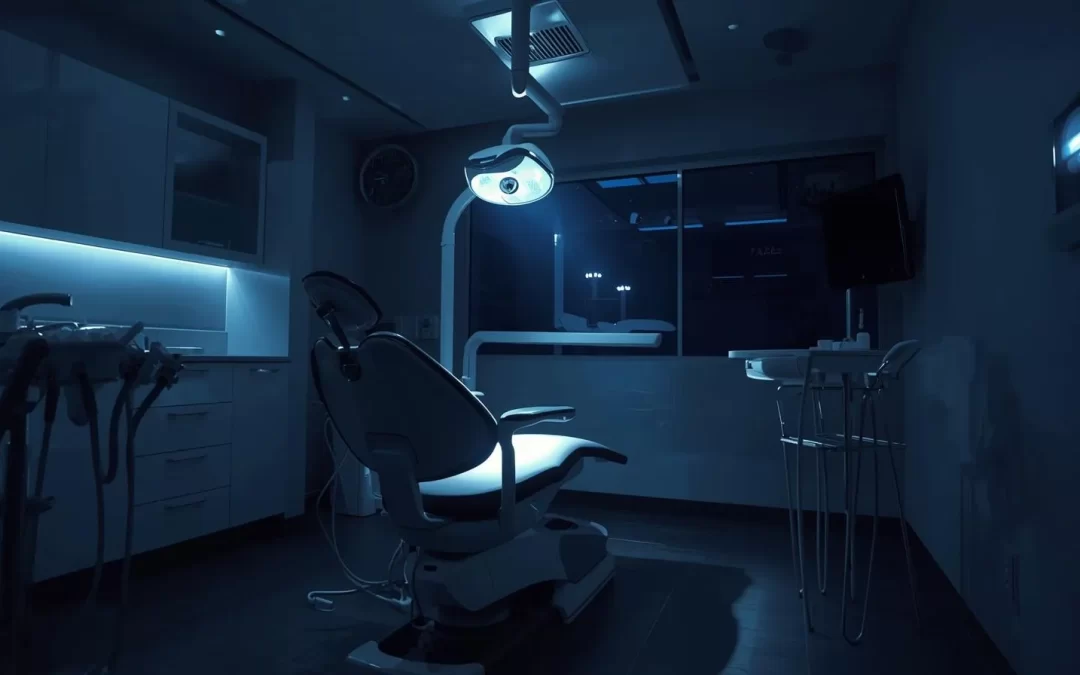
Dental problems do not always happen during normal office hours. A tooth can break on a Saturday night, or severe pain can wake you up at 2 a.m. In these moments, you may wonder if you need a 24-hour dentist or if it is safe to wait for a regular dentist appointment.
This article explains the difference between a 24-hour dentist and a regular dentist, when to seek emergency dental care, what to expect during a visit, and how costs and insurance usually work. The goal is to help you make calm, informed decisions when you or a loved one has a dental problem.
Table of Contents
- What Is a 24-Hour Dentist vs a Regular Dentist?
- Common Dental Problems and Symptoms
- What to Expect at a 24-Hour Emergency Dental Visit
- What to Expect at a Regular Dentist Visit
- Cost and Insurance: 24-Hour Dentist vs Regular Dentist
- Risks, Recovery, and Prevention Tips
- When You Should See a Dentist Immediately
- Summary
- Frequently Asked Questions
What Is a 24-Hour Dentist vs a Regular Dentist?
Both 24-hour dentists and regular dentists have the same basic dental training. The main difference is when and how they provide care.
24-Hour Dentist (Emergency Dentist)
A 24-hour dentist, often called an emergency dentist, offers care outside normal office hours. This may include evenings, nights, weekends, and holidays. Some work in standalone emergency dental clinics, while others are part of hospital emergency departments.
They focus on urgent problems that cannot safely wait, such as severe pain, infection, or trauma (injury) to the teeth, gums, or jaw.
Regular Dentist (General Dentist)
A regular dentist usually works during standard business hours, such as Monday through Friday, 8 a.m. to 5 p.m. They handle routine and planned care, including:
- Checkups and cleanings
- Fillings for cavities
- Crowns, bridges, and dentures
- Root canals (often by appointment)
- Cosmetic treatments like whitening
Many regular dentists also provide same-day or next-day emergency appointments during their open hours.
Key Difference
The main difference between a 24-hour dentist vs a regular dentist is availability, not skill. A 24-hour dentist is there when you cannot wait. A regular dentist is best for ongoing, planned, and preventive care.
Common Dental Problems and Symptoms
Understanding your symptoms can help you decide whether you need a 24-hour emergency dentist or can wait for a regular appointment.
Symptoms That Often Require Immediate or Same-Day Care
- Severe toothache: Pain that is sharp, throbbing, or constant, especially if it keeps you from sleeping or working.
- Swelling in the face, jaw, or gums: This may signal an infection or abscess (a pocket of pus).
- Fever with dental pain: Could mean a spreading infection that needs urgent treatment.
- Knocked-out tooth: A permanent tooth that has been completely knocked out of the mouth.
- Broken or cracked tooth with pain: Especially if the inner part of the tooth is exposed or bleeding.
- Uncontrolled bleeding in the mouth: After an injury or dental procedure.
- Injury to the jaw or face: After a fall, accident, or sports injury.
- Sudden swelling under the tongue or in the throat area: This can affect breathing and is an emergency.
Problems That Can Often Wait for a Regular Dentist
- Mild tooth sensitivity: Discomfort with hot, cold, or sweet foods that goes away quickly.
- Dull, mild toothache: Manageable with over-the-counter pain medicine and no swelling or fever.
- Small chip in a tooth: No pain and no sharp edge cutting your tongue or cheek.
- Lost filling or crown: No severe pain or swelling.
- Minor gum bleeding: When brushing or flossing, without major pain or swelling.
If you are unsure, it is always safer to call a dentist or a 24-hour dental hotline for guidance.
What to Expect at a 24-Hour Emergency Dental Visit
Going to a 24-hour dentist can feel stressful, especially if you are in pain. Knowing what to expect can make the experience less frightening.
Step-by-Step: A Typical Emergency Visit
- 1. Check-in and medical history
- You will fill out forms about your health, medications, and allergies.
- Staff will ask about your pain level, when it started, and what makes it better or worse.
- 2. Examination
- The dentist will look at your teeth, gums, and mouth.
- They may gently tap on teeth or ask you to bite down to find the problem area.
- 3. X-rays (if needed)
- Dental X-rays help find infections, fractures, or deep cavities.
- 4. Diagnosis and options
- The dentist will explain what is wrong in simple terms.
- They will discuss treatment options, risks, and costs before doing anything.
- 5. Emergency treatment
- The main goal is to stop pain, control infection, and protect the tooth.
- This may include:
- Draining an abscess
- Starting a root canal or placing a temporary filling
- Smoothing or repairing a broken tooth
- Extracting (removing) a tooth that cannot be saved
- Prescribing antibiotics or pain medicine
- 6. Follow-up plan
- You may be told to see your regular dentist in a few days for permanent treatment.
- You will receive instructions for home care and what warning signs to watch for.
What to Expect at a Regular Dentist Visit
A regular dentist visit is usually more relaxed and focused on long-term health.
Routine Checkup and Cleaning
- Review of your medical and dental history.
- Examination of teeth, gums, and bite.
- X-rays every 1-2 years or as needed.
- Professional cleaning to remove plaque and tartar.
- Discussion of any needed treatments, such as fillings or crowns.
Non-Emergency Treatment Visits
For planned procedures like fillings, crowns, or root canals, your regular dentist will usually:
- Explain the problem and treatment options.
- Use local anesthesia (numbing medicine) so you stay comfortable.
- Complete the treatment in one or more scheduled visits.
- Provide aftercare instructions and follow-up if needed.
While a 24-hour dentist focuses on urgent relief, your regular dentist focuses on complete, long-term solutions.
Cost and Insurance: 24-Hour Dentist vs Regular Dentist
Costs can vary widely based on where you live, the type of treatment, and whether you go to a 24-hour emergency dentist or a regular office.
Typical Cost Ranges (Estimates Only)
- Emergency exam: $75-$200
- X-rays: $30-$150
- Simple tooth extraction: $150-$400
- Surgical extraction (more complex): $250-$600+
- Root canal (front tooth): $500-$1,200
- Root canal (back molar): $800-$1,800
- Filling: $150-$400 per tooth
24-hour emergency clinics may charge higher fees, especially for night, weekend, or holiday visits. However, many offer payment plans or discounts.
Insurance Coverage
- Most dental insurance plans cover emergency exams and medically necessary treatments, but your share (copay or coinsurance) will vary.
- Some plans have higher coverage for urgent care, while others treat it like any other visit.
- If you go to a dentist who is out of network, your costs may be higher.
- Medical insurance may help if you are treated in a hospital emergency room for serious facial or jaw injuries.
Tips for Managing Costs
- Call ahead and ask if the office accepts your insurance.
- Ask for an estimate before treatment whenever possible.
- Ask about payment plans, financing, or discounts for paying in full.
- Use flexible spending accounts (FSA) or health savings accounts (HSA) if you have them.
Risks, Recovery, and Prevention Tips
Risks of Delaying Emergency Dental Care
- Infection can spread to the jaw, face, or even the bloodstream.
- Pain can become harder to control.
- A damaged tooth that might have been saved may need to be removed.
- Swelling can affect breathing or swallowing in severe cases.
Recovery After Emergency Treatment
Recovery depends on the type of treatment, but common advice includes:
- Take prescribed medications exactly as directed.
- Avoid very hot, cold, or hard foods for a few days.
- Rinse gently with warm salt water if recommended.
- Keep the area clean but avoid aggressive brushing over the treated site.
- Call the dentist if you notice increasing pain, swelling, fever, or bleeding.
Prevention Tips to Reduce Dental Emergencies
- See your regular dentist every 6-12 months for checkups and cleanings.
- Brush twice a day with fluoride toothpaste and floss daily.
- Wear a mouthguard for contact sports or activities with risk of falls.
- Avoid chewing ice, hard candy, or non-food items (like pens).
- Address small problems early, such as sensitivity or minor pain, before they become emergencies.
When You Should See a Dentist Immediately
Use these guidelines to decide between a 24-hour dentist vs a regular dentist:
Seek Immediate or Same-Day Emergency Care If You Have:
- Severe tooth pain that does not improve with over-the-counter pain medicine.
- Swelling in your face, cheek, or jaw, especially with fever.
- A knocked-out permanent tooth (see a dentist within 30-60 minutes if possible).
- Uncontrolled bleeding in the mouth.
- Signs of spreading infection: difficulty swallowing, trouble breathing, or swelling under the tongue or in the throat.
- A broken jaw or major injury to the face or mouth (go to the emergency room).
Schedule a Regular Dentist Appointment Soon If You Have:
- Mild to moderate toothache without swelling or fever.
- A chipped tooth that is not painful.
- A lost filling or crown but no severe pain.
- Ongoing sensitivity to hot, cold, or sweet foods.
When in doubt, call a dental office or 24-hour dental service. They can help you decide the safest next step.
Summary
The choice between a 24-hour dentist vs a regular dentist mainly depends on how urgent your problem is. A 24-hour emergency dentist is best for severe pain, infection, injury, or any situation that cannot safely wait. Your regular dentist is the right choice for routine care, planned treatments, and most non-urgent issues.
By understanding your symptoms, knowing what to expect during a visit, and being aware of costs and insurance options, you can make confident decisions and protect your oral health.
Frequently Asked Questions
1. Should I go to the ER or a 24-hour dentist for a toothache?
If you have severe tooth pain without trouble breathing or swallowing, a 24-hour dentist or emergency dental clinic is usually the best choice. Go to the emergency room if you have facial trauma, cannot breathe or swallow, or have very high fever and spreading swelling.
2. Can a 24-hour dentist do a root canal or only temporary treatment?
Many 24-hour dentists can start or complete a root canal, but some may only provide temporary relief, such as opening the tooth to drain infection or placing a temporary filling. You may need to see your regular dentist later for full treatment and a permanent crown.
3. Is a 24-hour dentist more expensive than a regular dentist?
Emergency visits outside normal hours often cost more, and some clinics charge additional fees for nights, weekends, or holidays. However, treating a serious problem early can prevent more costly procedures later. Always ask for a cost estimate before treatment when possible.
4. What should I do if a tooth is knocked out?
Pick up the tooth by the crown (the white part), not the root. Rinse it gently with clean water if dirty, but do not scrub. If you can, place it back in the socket and bite gently on a clean cloth. If not, keep it in milk or in your cheek (for adults, not young children) and see a 24-hour dentist immediately-ideally within 30-60 minutes.
5. Can I call my regular dentist after hours for an emergency?
Many regular dentists have an after-hours phone line or voicemail with instructions for emergencies. Some rotate on-call duty with other local dentists. It is always worth calling your regular office first to see what options they provide.
6. How can I avoid needing a 24-hour emergency dentist?
Regular checkups, good daily brushing and flossing, wearing a mouthguard during sports, and fixing small problems early all reduce the chance of sudden emergencies. Prevention and routine care with your regular dentist are the best ways to avoid urgent visits.
Dental emergencies are stressful, but you do not have to face them alone. If you are experiencing pain, swelling, or injury, contact a dentist right away to get the care you need. Taking action quickly can protect your teeth, relieve your pain, and support your long-term oral health.

Dr. Carter is a dental content contributor who focuses on explaining dental procedures, costs, and treatment options in clear, patient-friendly terms. His work is designed to help readers understand what to expect and how to make informed decisions about their oral health.
Content on DentalServices.us is created for educational purposes and is based on current dental guidelines and publicly available information. It is not a substitute for professional dental advice, diagnosis, or treatment.