
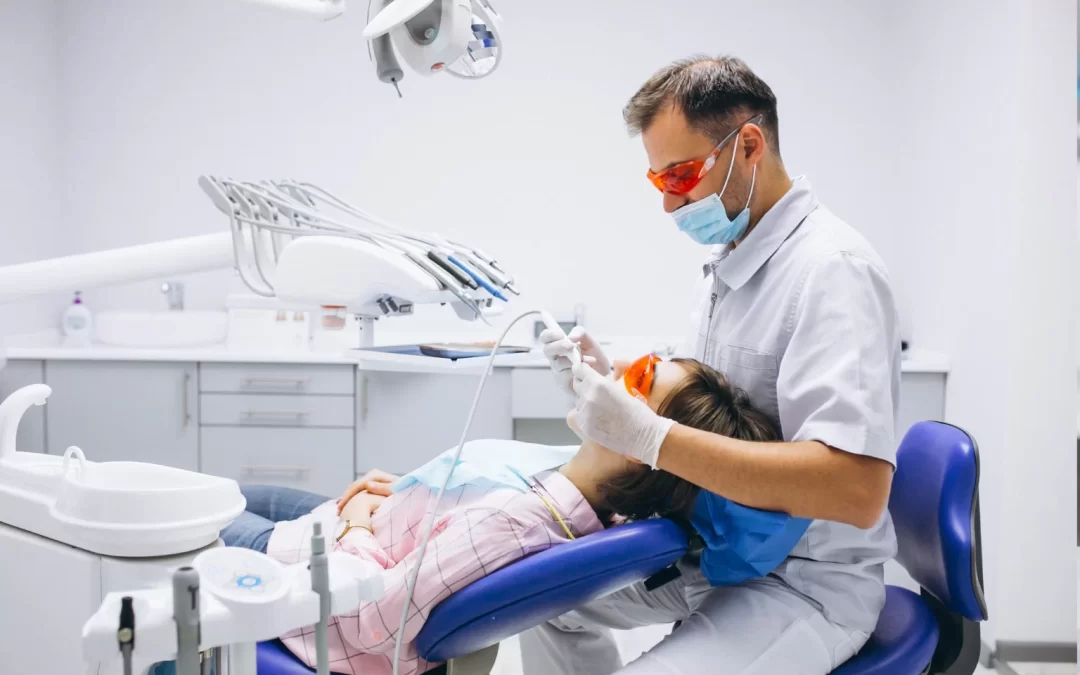
Best cosmetic dentistry near you usually means a dentist who has advanced training in cosmetic procedures, a strong track record of results, clear pricing, and a caring, communicative approach. To choose the right cosmetic dentist, look at their experience, before-and-after photos, patient reviews, and how comfortable you feel during a consultation. You can expect a personalized treatment plan, multiple visits for most cosmetic procedures, and realistic improvements rather than “instant perfection.” Results depend on your oral health, budget, and starting point, so not every smile can be transformed in exactly the same way.
Cosmetic dentistry can dramatically improve the look of your smile and your confidence, but it is important to know what is possible, what it costs, and how to find a dentist you trust. This guide is for anyone searching for “best cosmetic dentist near me” and wanting clear, honest information about options, expectations, and next steps.
Table of Contents
- What Is Cosmetic Dentistry?
- Common Signs You Might Want Cosmetic Dentistry
- Common Cosmetic Dentistry Treatments
- How to Choose the Best Cosmetic Dentist Near Me
- What to Expect From Cosmetic Dentistry
- Cosmetic Dentistry Cost: Typical Price Ranges
- Insurance and Financing for Cosmetic Dentistry
- Risks and Limitations of Cosmetic Dentistry
- How to Prepare and Care for Your New Smile
- When to See a Dentist About Cosmetic Concerns
- Frequently Asked Questions
- Summary and Next Steps
What Is Cosmetic Dentistry?
Cosmetic dentistry focuses on improving the appearance of your teeth, gums, and overall smile. While general dentistry is mainly about treating disease and pain, cosmetic dentistry is about color, shape, alignment, and symmetry.
Many cosmetic treatments also improve function and strength, but their main goal is to help your smile look its best. A good cosmetic dentist will balance appearance, health, and long-term durability when planning your treatment.
Cosmetic vs. general dentistry
Most cosmetic dentists are also general dentists, but not all general dentists focus on cosmetic work. Key differences include:
- Training and focus: Cosmetic dentists often take extra courses in aesthetics, materials, and smile design.
- Technology: They may use digital smile design, high-quality ceramics, and advanced imaging.
- Time spent on planning: Cosmetic cases usually involve more detailed planning and discussion of your goals.
Common Signs You Might Want Cosmetic Dentistry
You do not need to be in pain to see a cosmetic dentist. Many people seek cosmetic care because they feel self-conscious about their smile.
Appearance concerns that cosmetic dentistry can address
- Yellow, dark, or stained teeth that do not improve with regular brushing
- Chipped, cracked, or worn-down teeth
- Gaps between teeth or slightly crooked teeth
- Uneven tooth size or shape
- Old fillings or crowns that look dark or unnatural
- “Gummy” smile or uneven gum line
If you avoid smiling in photos, cover your mouth when you laugh, or feel embarrassed meeting new people because of your teeth, cosmetic dentistry may help.
Common Cosmetic Dentistry Treatments
The “best cosmetic dentistry near me” will offer a range of options and help you choose what fits your needs, budget, and timeline. Here are the most common treatments and what they do.
Teeth whitening
Professional whitening lightens stains and discoloration on natural teeth. It can be done in-office for faster results or with custom take-home trays.
- Best for: Yellow or stained teeth from coffee, tea, smoking, or aging
- Not ideal for: Crowns, veneers, or fillings (these do not whiten)
For more detail on pricing and options, see this guide on teeth whitening cost and in-office vs. at-home whitening.
Dental bonding
Bonding uses tooth-colored resin to repair chips, close small gaps, or reshape teeth. It is usually done in one visit and often does not require numbing.
- Best for: Small cosmetic fixes, minor gaps, small chips, or slightly uneven edges
- Limitations: Less stain-resistant and less durable than porcelain
If you are specifically interested in closing spaces, you can read more about using dental bonding to fix gaps, including pros, cons, and cost.
Porcelain or composite veneers
Veneers are thin shells placed on the front of teeth to change color, shape, and alignment. They can create a dramatic “smile makeover.”
- Best for: Multiple cosmetic issues at once—stains, chips, gaps, and uneven teeth
- Types: Porcelain veneers (more durable and stain-resistant) and composite veneers (more affordable, but may not last as long)
To understand the differences, see this comparison of porcelain vs. composite veneers and this overview of what to expect long term with veneers.
Crowns and cosmetic restorations
Tooth-colored crowns cover and protect damaged teeth while improving appearance. Modern ceramics can look very natural and blend with your other teeth.
- Best for: Teeth that are badly broken, heavily filled, or weakened
- Benefit: Restores both function and appearance
Orthodontics (braces or clear aligners)
Orthodontic treatment straightens crooked or crowded teeth and corrects bite problems. Many cosmetic dentists work closely with orthodontists or offer clear aligners.
- Best for: Misaligned teeth, crowding, spacing, and bite issues
- Timeline: Usually several months to a few years
Gum contouring
Gum contouring reshapes the gum line to reduce a “gummy” smile or even out uneven gums. It is often done with a laser for comfort and precision.
- Best for: Short-looking teeth due to excess gum tissue
- Considerations: Usually a minor procedure but still requires proper evaluation
Full smile makeover
A smile makeover combines several cosmetic treatments to address multiple concerns at once. This may include whitening, veneers, crowns, bonding, and sometimes orthodontics.
For a deeper look at planning and budgeting, see this article on smile makeover cost and what you should expect to pay.
How to Choose the Best Cosmetic Dentist Near Me
Choosing the right cosmetic dentist is just as important as choosing the right treatment. Here are practical steps to help you decide.
1. Check training and experience
- Look for dentists who list additional training in cosmetic or aesthetic dentistry.
- Ask how often they perform the specific procedure you are considering (for example, veneers or bonding).
- Membership in professional organizations can be a plus, but experience and results matter most.
2. Review before-and-after photos
- Ask to see real patient photos, not just stock images.
- Look for cases similar to yours (same type of discoloration, crowding, or wear).
- Check that the results look natural, not overly white or bulky.
3. Read patient reviews and testimonials
- Search for reviews on Google and other trusted platforms.
- Pay attention to comments about communication, comfort, and follow-up care.
- A few negative reviews are normal; look for overall patterns.
4. Evaluate communication and comfort
During your consultation, notice how the dentist and team make you feel.
- Do they listen to your concerns and goals?
- Do they explain options in simple language and show examples?
- Do you feel rushed, or do you have time to ask questions?
For help preparing, you may find it useful to review the top questions to ask your dentist about cosmetic treatments.
5. Ask about technology and materials
- Digital photos, scanners, and mock-ups can help you preview results.
- High-quality ceramics and modern bonding materials usually look more natural and last longer.
- Ask where lab work is done and what materials are used for veneers or crowns.
6. Understand the treatment plan and costs
- Request a written treatment plan with itemized costs.
- Ask about alternatives at different price points.
- Discuss how many visits are needed and what happens if you are not satisfied with the result.
What to Expect From Cosmetic Dentistry
Knowing the general process can help you feel more relaxed and prepared.
Typical timeline
- Consultation: Discuss goals, exam, photos, and sometimes x-rays.
- Planning: Digital designs, models, or “trial smiles” for more complex cases.
- Treatment visits: Can range from one visit (bonding, in-office whitening) to several visits over weeks or months (veneers, crowns, orthodontics).
- Follow-up: Adjustments, polishing, and regular checkups to maintain results.
Pain and comfort
- Most cosmetic procedures involve little to no pain, especially with modern numbing techniques.
- You may feel temporary sensitivity, especially after whitening or when teeth are reshaped.
- Over-the-counter pain relievers are usually enough; your dentist will give specific guidance.
Recovery
- Whitening: Mild sensitivity for a few days; avoid staining foods and drinks at first.
- Bonding and veneers: Some temporary soreness in gums or jaw; usually back to normal within a few days.
- Gum contouring: Mild swelling or tenderness; soft foods and gentle brushing as directed.
Realistic results
A skilled cosmetic dentist aims for a natural, healthy-looking smile that fits your face and age. Teeth that are too white or too large can look artificial.
Your starting point, oral health, and budget will influence what is possible. In some cases, a perfect “Hollywood” smile may not be realistic, but significant improvement usually is.
Cosmetic Dentistry Cost: Typical Price Ranges
Costs vary widely based on where you live, the dentist’s experience, materials used, and how complex your case is. The ranges below are general estimates in the United States and may differ in your area.
Approximate cost ranges (per tooth or treatment)
- In-office teeth whitening: $300–$800 per session
- Custom take-home whitening trays: $200–$400
- Dental bonding: $150–$600 per tooth
- Porcelain veneers: $900–$2,500 per tooth
- Composite veneers: $250–$1,500 per tooth
- Tooth-colored crowns: $900–$2,500 per tooth
- Gum contouring: $300–$3,000 (depending on how many teeth/gums are treated)
- Clear aligners (full case): $3,000–$7,000
Factors that affect cost
- Number of teeth treated
- Type and quality of materials (for example, basic vs. premium ceramics)
- Need for additional treatments like fillings, root canals, or gum therapy
- Location and experience level of the dentist
Smile makeover costs
A full smile makeover that includes multiple veneers, crowns, and other treatments can range from a few thousand dollars to well over $20,000. The exact amount depends on how many teeth are involved and which procedures are chosen.
Insurance and Financing for Cosmetic Dentistry
Most dental insurance plans consider cosmetic procedures “elective” and do not cover them fully. However, there are important exceptions and options.
When insurance may help
- If a tooth is damaged or decayed, a crown or restoration may be partially covered because it restores function.
- Orthodontic treatment for bite problems may have partial coverage, especially for children or teens.
- Some plans offer small benefits for whitening or cosmetic upgrades, but this is less common.
Financing and payment options
- Many offices offer payment plans or work with third-party financing companies.
- Health savings accounts (HSA) or flexible spending accounts (FSA) may be used for certain procedures—check your plan rules.
- Ask for a written estimate and discuss payment options before starting treatment.
Risks and Limitations of Cosmetic Dentistry
Cosmetic dentistry is generally safe when done by a qualified dentist, but every procedure has potential risks and limits.
Possible risks
- Tooth sensitivity, especially after whitening or enamel reshaping
- Gum irritation or soreness after procedures near the gum line
- Chipping or wear of veneers or bonding over time
- Need for replacement or repair in the future
Limitations to be aware of
- Whitening does not change the color of crowns, fillings, or veneers.
- Severely crooked or misaligned teeth may still need orthodontics, not just veneers or bonding.
- Very worn or damaged teeth may require more extensive treatment than simple cosmetic fixes.
- Smoking, heavy grinding, or poor oral hygiene can shorten the life of cosmetic work.
How to reduce risks
- Choose an experienced cosmetic dentist with good reviews and real patient photos.
- Follow all pre- and post-treatment instructions carefully.
- Keep up with regular checkups and cleanings so problems are caught early.
How to Prepare and Care for Your New Smile
Good preparation and daily care help you get the best possible results and keep them longer.
Before treatment
- Have a full dental exam to check for cavities, gum disease, or other issues.
- Discuss your goals clearly—bring photos of smiles you like if that helps.
- Ask about a preview (digital design, mock-up, or temporary restorations) for major changes.
Daily care after cosmetic treatment
- Brush twice a day with a soft toothbrush and fluoride toothpaste.
- Floss daily to protect gums and the edges of veneers, crowns, or bonding.
- Limit staining foods and drinks like coffee, tea, red wine, and tobacco.
- Wear a nightguard if you grind or clench your teeth.
Regular checkups
- Visit your dentist every 6 months, or as recommended, for cleanings and exams.
- Have cosmetic work checked regularly so small issues can be fixed before they become bigger problems.
When to See a Dentist About Cosmetic Concerns
You do not need to wait until something hurts to schedule a cosmetic consultation. It is reasonable to see a dentist if:
- You are unhappy with the color, shape, or alignment of your teeth.
- You have chips, cracks, or gaps that bother you when you smile.
- You are considering a major life event (wedding, graduation, new job) and want to improve your smile.
Seek prompt dental care if you have:
- Tooth pain, swelling, or signs of infection
- Broken teeth from an accident or injury
- Bleeding gums, loose teeth, or bad breath that does not improve with brushing
These issues need to be treated before or along with any cosmetic work to keep your mouth healthy and your results stable.
Frequently Asked Questions
How do I find the best cosmetic dentist near me?
Start by searching for cosmetic dentists in your area, then narrow the list by checking training, before-and-after photos, and patient reviews. Schedule consultations with one or two dentists to compare their recommendations, communication style, and pricing before deciding.
Is cosmetic dentistry painful?
Most cosmetic procedures are not painful, especially with modern numbing techniques. You may feel temporary sensitivity or mild soreness afterward, but this usually improves within a few days and can often be managed with over-the-counter pain relievers.
How long do cosmetic dental treatments last?
The lifespan depends on the treatment and how well you care for your teeth. Professional whitening may last months to a few years, bonding often lasts several years, and well-maintained porcelain veneers or crowns can last 10–15 years or longer.
Can I get cosmetic dentistry if I have cavities or gum disease?
Yes, but your dentist will need to treat any active disease first. Healthy teeth and gums are essential for safe, long-lasting cosmetic results, so restorative or periodontal treatment may be part of your overall plan.
Is cosmetic dentistry worth the cost?
Many patients feel that improving their smile is worth the investment because it boosts confidence and comfort in social and professional situations. The key is to choose realistic goals, understand the costs and maintenance, and work with a dentist you trust.
How long does a cosmetic dentistry makeover take?
A simple change like whitening can be done in one or two visits, while more complex makeovers with veneers, crowns, or orthodontics can take weeks to months. Your dentist will outline a timeline based on your specific treatment plan and goals.
Summary and Next Steps
Finding the best cosmetic dentistry near you means looking beyond location and price to experience, results, and how well the dentist understands your goals. With the right provider, you can safely improve the color, shape, and alignment of your teeth and enjoy a more confident smile.
Your next step is to schedule a cosmetic consultation, bring your questions, and discuss what is realistic for your budget and oral health. A thoughtful, personalized plan will help you move toward the smile you want in a safe, predictable way.
If you are ready to explore your options, contact a trusted cosmetic dentist in your area, ask to see examples of their work, and start the conversation about what matters most to you and your smile.

Dr. Carter is a dental content contributor who focuses on explaining dental procedures, costs, and treatment options in clear, patient-friendly terms. His work is designed to help readers understand what to expect and how to make informed decisions about their oral health.
Content on DentalServices.us is created for educational purposes and is based on current dental guidelines and publicly available information. It is not a substitute for professional dental advice, diagnosis, or treatment.