
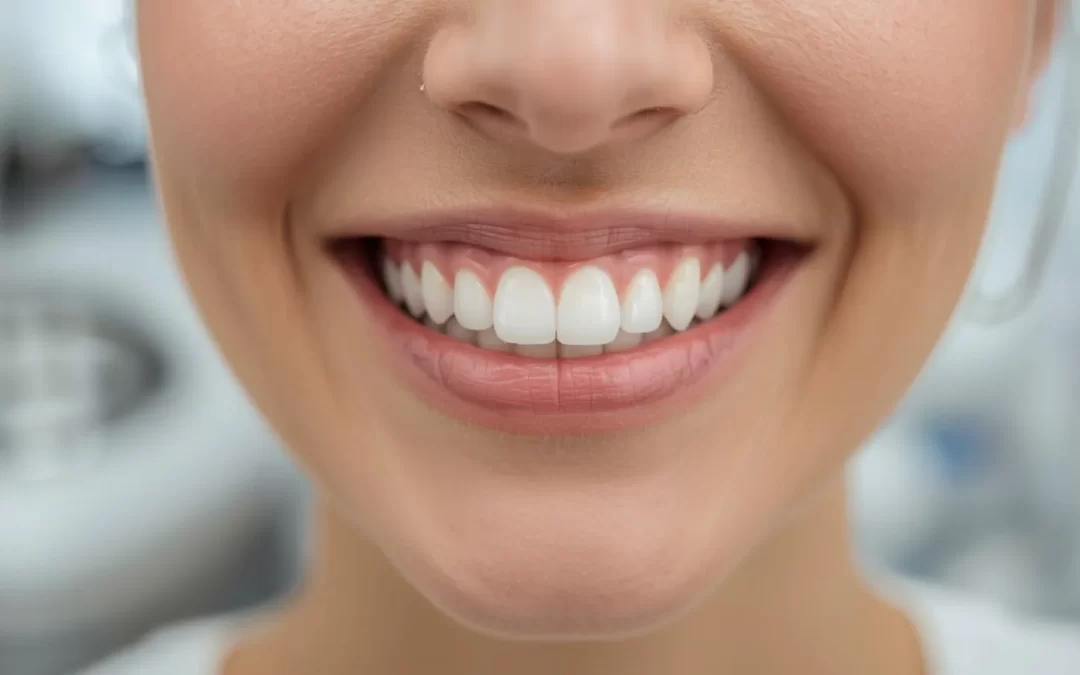
Many people feel self-conscious about small spaces between their teeth, especially between the front teeth. The good news is that dental bonding is a simple, common cosmetic treatment that can often close these gaps quickly and comfortably. Understanding how bonding works, what it can and cannot do, and what to expect can help you decide if it is the right choice for your smile.
Table of Contents
- Understanding Gaps Between Teeth
- What Is Dental Bonding?
- Can Bonding Fix Gaps Between Teeth?
- Who Is a Good Candidate for Bonding?
- What to Expect During a Bonding Appointment
- Other Treatment Options for Closing Gaps
- Cost and Insurance Considerations
- Risks, Care, and Prevention Tips
- When to See a Dentist About Gaps
- Summary
- Frequently Asked Questions
Understanding Gaps Between Teeth
A space between two teeth is called a “diastema.” The most common place for a gap is between the two upper front teeth, but gaps can appear anywhere in the mouth.
Common reasons for gaps include:
- Natural tooth size and jaw shape: Teeth may be slightly smaller than the jaw, leaving spaces.
- Habits: Thumb sucking or tongue thrusting in childhood can push teeth apart.
- Missing teeth: When a tooth is missing, nearby teeth may shift, creating gaps.
- Gum problems: Advanced gum disease can cause teeth to loosen and move.
- Frenum attachment: A thick piece of tissue between the front teeth (labial frenum) can keep them from closing.
Gaps are not always a health problem. Many people have small spaces that are simply a cosmetic concern. However, larger gaps or gaps caused by gum disease or bite problems may affect chewing, speech, or long-term dental health.
What Is Dental Bonding?
Dental bonding is a cosmetic procedure where your dentist applies a tooth-colored resin (a durable plastic material) to your teeth. The resin is shaped and polished so it blends in with your natural teeth.
Bonding is often used to:
- Close small gaps between teeth
- Repair chipped or cracked teeth
- Cover stains that do not respond to whitening
- Change the shape or length of teeth
The material used in bonding is similar to what is used for tooth-colored fillings. It is matched to your tooth shade so the result looks natural.
Can Bonding Fix Gaps Between Teeth?
Yes, dental bonding can often fix gaps, especially small to moderate spaces between teeth. To close a gap, your dentist adds bonding material to one or both of the teeth on either side of the space, making them slightly wider so the gap disappears or becomes much smaller.
Bonding works best when:
- The gap is relatively small or moderate in size.
- Your bite (how your teeth come together) is fairly even.
- Your teeth and gums are healthy.
- You are mainly concerned about appearance, not major alignment issues.
Bonding may not be the best choice if:
- The gap is very large.
- Your teeth are severely rotated or misaligned.
- You have strong bite forces that may easily chip the bonding.
- There is active gum disease or untreated cavities.
In these cases, your dentist may suggest orthodontic treatment (like braces or clear aligners) or other cosmetic options such as veneers or crowns.
Who Is a Good Candidate for Bonding?
You may be a good candidate for using bonding to fix gaps if:
- You are unhappy with the look of spaces between your teeth.
- You want a quick, conservative treatment that usually requires little or no drilling.
- You prefer a more affordable option than veneers or orthodontics.
- You do not grind or clench your teeth heavily, or you are willing to wear a night guard if needed.
Your dentist will examine your teeth, gums, and bite, and may take X-rays to make sure bonding is safe and appropriate for your situation.
What to Expect During a Bonding Appointment
Dental bonding to close gaps is usually simple and often does not require numbing. Here is a step-by-step overview of what typically happens:
1. Consultation and Planning
- Your dentist will discuss your concerns and what you want your smile to look like.
- They will examine your teeth and gums and may take photos or X-rays.
- You will review options, including bonding and any alternatives, and discuss expected results and limitations.
2. Shade Selection
- The dentist uses a shade guide to choose a resin color that matches your natural teeth.
- If you are considering whitening, it is usually best to whiten first, then match the bonding to your new tooth color.
3. Tooth Preparation
- The tooth surface is cleaned thoroughly.
- The dentist may slightly roughen the surface and apply a conditioning liquid. This helps the bonding material stick securely.
- In many cases, no drilling is needed, or only minimal shaping is done.
4. Applying and Shaping the Bonding Material
- The dentist places the soft, putty-like resin on the tooth.
- They carefully shape and smooth it to close the gap and create a natural tooth shape.
- This step may take some time, as the dentist checks your smile from different angles.
5. Hardening the Material
- A special blue light is used to harden (cure) the bonding material.
- This only takes a few seconds per layer.
6. Final Adjustments and Polishing
- Once hardened, the dentist trims and polishes the bonding so it feels smooth and looks natural.
- They will check your bite and make small adjustments so your teeth come together comfortably.
Most bonding appointments to fix gaps take about 30-60 minutes per tooth, depending on how many teeth are being treated and how complex the case is.
Other Treatment Options for Closing Gaps
Dental bonding is not the only way to close gaps. Your dentist may also discuss:
- Orthodontic treatment (braces or clear aligners): Moves teeth into better positions. Best for larger gaps, multiple spaces, or bite problems. Treatment usually takes months to years.
- Porcelain veneers: Thin shells of porcelain that cover the front of the teeth. They can close gaps and change color and shape. More durable and stain-resistant than bonding, but more expensive and usually requires removing a small amount of tooth enamel.
- Dental crowns: Tooth-shaped caps that cover the entire tooth. Used when teeth are badly damaged, worn, or need major shape changes.
- Frenectomy: If a thick tissue band between the front teeth is causing the gap, a minor surgical procedure to remove or reduce it may be recommended, often along with orthodontics or bonding.
Your dentist will help you compare these options based on your goals, budget, and oral health.
Cost and Insurance Considerations
The cost of using bonding to fix gaps can vary based on where you live, the dentist’s experience, and how many teeth are treated. In general, you might expect:
- Typical cost range: About $150-$500 per tooth for cosmetic bonding in many U.S. offices.
Because closing gaps with bonding is usually considered a cosmetic procedure, dental insurance may not cover it. However, there are exceptions:
- If bonding is needed to repair a broken tooth or protect exposed root surfaces, insurance may cover part of the cost.
- Some plans offer limited coverage for cosmetic improvements if they also improve function.
Before treatment, you can:
- Ask your dental office for a written estimate.
- Have the office submit a pre-treatment estimate to your insurance company.
- Ask about payment plans, financing options, or in-office membership plans that may reduce costs.
Risks, Care, and Prevention Tips
Risks and Limitations of Bonding
Dental bonding is safe and widely used, but it does have some limitations:
- Not as strong as natural enamel or porcelain: Bonding can chip or wear down over time, especially on front teeth used to bite hard foods.
- Staining: The resin can stain from coffee, tea, red wine, and tobacco more easily than porcelain.
- Longevity: Bonding typically lasts about 3-10 years, depending on care, bite forces, and habits.
How to Care for Bonded Teeth
- Brush twice a day with a soft-bristled toothbrush and fluoride toothpaste.
- Floss daily to keep the edges of the bonding clean and prevent gum problems.
- Avoid biting on hard objects like ice, pens, or fingernails.
- Limit dark-colored foods and drinks, or rinse with water after consuming them.
- See your dentist regularly for cleanings and checkups so they can monitor the bonding.
- If you grind your teeth at night, ask about a night guard to protect the bonding.
Prevention Tips for Future Gaps
- Treat gum disease early to prevent bone loss and tooth movement.
- Address habits like thumb sucking or tongue thrusting in children with your dentist or pediatrician.
- Replace missing teeth when recommended, using options such as implants, bridges, or partial dentures, to prevent shifting.
When to See a Dentist About Gaps
You should schedule a dental visit if:
- You are unhappy with the appearance of gaps and want to explore options like bonding.
- You notice new gaps forming between teeth that were previously close together.
- You have bleeding gums, bad breath, or loose teeth along with gaps, which may signal gum disease.
- You experience pain, sensitivity, or difficulty chewing in the area of the gap.
Seek prompt care if you suddenly develop a gap after trauma or injury to your mouth, or if a bonded area chips or breaks and feels sharp. While this is usually not a life-threatening emergency, it is important to see a dentist soon to prevent further damage and restore your smile.
Summary
Dental bonding can be an excellent way to fix small to moderate gaps between teeth. It is typically quick, comfortable, and more affordable than many other cosmetic options. By adding tooth-colored material to the sides of teeth, your dentist can close spaces and improve your smile’s appearance in just one visit in many cases.
Bonding is not right for every situation, especially when gaps are large or there are major bite or gum problems. A thorough exam and honest discussion with your dentist will help you decide whether bonding, orthodontics, veneers, or another treatment is best for you.
Frequently Asked Questions
How long does bonding last when used to close gaps?
Bonding used to close gaps usually lasts about 3-10 years. Its lifespan depends on the size of the bonding, your bite, your oral hygiene, and habits like nail biting or chewing ice. Your dentist can repair or replace bonding as needed over time.
Is dental bonding painful?
Most patients find bonding very comfortable. Often, no numbing is needed because little or no tooth structure is removed. You may feel some mild pressure or vibration while the dentist shapes the material, but significant pain is uncommon.
Will people be able to tell I had bonding done?
When done well, bonding to fix gaps looks very natural. The dentist carefully matches the color and shape to your existing teeth. In normal conversation and photos, most people will not notice that bonding is present.
Can bonding fix all types of gaps?
No. Bonding is best for small to moderate gaps and for patients with generally good alignment and bite. Very large gaps, multiple spacing issues, or significant crowding usually require orthodontic treatment or a combination of treatments.
Can I whiten my teeth after bonding?
Teeth whitening does not change the color of bonding material. If you plan to whiten, it is best to do so before bonding. Then the dentist can match the bonding to your lighter tooth shade. If you whiten later, you may need to replace the bonding to match.
Is bonding a permanent solution?
Bonding is considered a long-lasting but not permanent solution. Over time, it may chip, wear, or stain and need touch-ups or replacement. With good care and regular dental visits, bonding can remain attractive and functional for many years.
Taking the next step toward a smile you feel confident about starts with a conversation. If you are wondering whether bonding can fix the gaps in your teeth, schedule a consultation with a dentist to discuss your goals, review your options, and create a plan that fits your needs and budget.