
Dental Implants & Tooth Replacement
Cost, Process, Healing Time, and Best Alternatives
Missing a tooth (or several) and want a long-term fix? Dental implants are one of the most natural-feeling, durable tooth replacement options available. This guide explains what implants are, who they’re for, what they cost, how the process works, and how implants compare to bridges and dentures.
If you want to speak with a provider about options in your area, call now and we’ll help connect you with a trusted dentist.
Considering Dental Implants?
Speak with a trusted provider near you to discuss options, costs, and next steps.
Considering Dental Implants?
Speak with a trusted provider near you to discuss options, costs, and next steps.
Quick Answer: What Is a Dental Implant?
A dental implant is a small titanium (or titanium-alloy) post placed in the jawbone to replace a missing tooth root. After healing, an abutment and a crown are attached to restore the look and function of a natural tooth.
- Implant: the “root” placed in bone
- Abutment: the connector piece
- Crown: the visible tooth


When Are Dental Implants a Good Choice?
Dental implants may be a strong option if you:
- Have one or more missing teeth
- Want a fixed (non-removable) replacement
- Prefer a solution that helps preserve jawbone
- Have healthy gums and enough bone (or can do grafting)
- Want to avoid shaving down nearby teeth (as with some bridges)
Not sure? A dental exam and imaging determine candidacy. If you’re in pain or dealing with infection first, see Dental Emergency & Urgent Care.
Dental Implant Cost (What You Can Expect)
Implant pricing varies by location, complexity, and whether additional procedures are needed.
- Single implant (implant + abutment + crown): commonly $3,000 – $6,000+
- Implant post only: commonly $1,500 – $3,000+
- Bone grafting (if needed): commonly $300 – $3,000+
- Sinus lift (upper jaw cases): often $1,500 – $5,000+
Insurance coverage varies. Some plans cover parts of the procedure (like the crown) more than the implant itself. For payment options and ways to reduce cost, visit Dental Costs, Insurance & Payment Options.

What Affects Implant Pricing?
- Number of teeth: single tooth vs multiple teeth vs full arch
- Bone health: grafting may be needed if bone has shrunk
- Tooth location: front vs back; upper jaw may require sinus lift
- Type of restoration: crown vs bridge vs full-arch prosthesis
- Specialist involvement: general dentist vs oral surgeon/periodontist
The Dental Implant Process (Step-by-Step)
1. Consultation & Imaging
The dentist evaluates your gums, bone, bite, and overall oral health. X-rays or 3D imaging may be used to plan placement.
2. Preparation (If Needed)
Some patients need an extraction, infection treatment, or bone grafting before the implant can be placed.
3. Implant Placement
The implant post is placed into the jawbone. This is typically done with local anesthesia and sometimes sedation.
4. Healing / Osseointegration
Over time, bone fuses to the implant. This is a key reason implants can last so long.
5. Abutment & Crown
Once healed, the abutment and custom crown are placed to restore appearance and chewing function.
How Long Do Dental Implants Take?
Timeframes vary, but many cases fall into these ranges:
- Straightforward implant case: often 3–6 months total
- With bone grafting: often 6–12 months total
- Some “immediate” cases: a temporary tooth may be placed sooner (case-dependent)
Your dentist will confirm the safest timeline based on bone health and bite forces.
Are Dental Implants Painful?
Most patients report the procedure is manageable with local anesthesia, and post-op discomfort is often similar to (or less than) an extraction. Swelling and soreness are common for a few days. Your provider will recommend aftercare steps and pain control options.

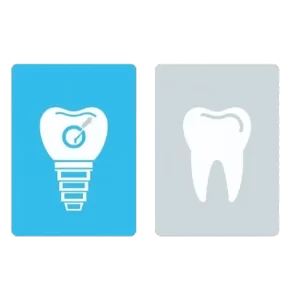
Dental Implants vs. Bridges vs. Dentures
Here’s how the most common tooth replacement options compare:
- Implants: fixed, long-lasting, helps preserve jawbone, higher upfront cost
- Bridge: fixed, usually faster/less expensive than implants, may require reshaping adjacent teeth
- Dentures/partials: lower upfront cost, removable, may shift and require adjustments over time
If you want the most stable “natural tooth” feel, implants are often the top choice.
Who Should Avoid Dental Implants (or Be Evaluated Carefully)?
Implants may require extra planning if you:
- Have uncontrolled gum disease
- Smoke or vape heavily (can slow healing)
- Have uncontrolled diabetes
- Have low bone volume without grafting options
- Clench/grind (may need a night guard)
This doesn’t always mean “no implants” — it often means the plan needs to be customized.

Explore More Dental Implant Guides
Dental implants are a long-term solution for missing teeth. These detailed guides explain costs, procedures, recovery expectations, and how implants compare to other options.
Procedure & Recovery
- Single Tooth Implant: Procedure, Cost & Recovery
- How Painful Are Dental Implants? What to Expect
- How Long Do Dental Implants Last?
Costs & Financing
Advanced Implant Options
Comparisons
Frequently Asked Questions About Dental Implants
How long do dental implants last?
Many implants can last decades with good oral hygiene and regular dental visits. The crown may need replacement sooner than the implant post over time.
Are dental implants worth it?
For many people, yes — implants can restore chewing strength, improve confidence, and help preserve bone. Value depends on your budget, health, and goals.
Can you get an implant the same day as an extraction?
Sometimes. “Immediate implant” placement is possible in certain cases, but it depends on infection level, bone quality, and bite forces.
Does insurance cover dental implants?
Coverage varies widely. Some plans cover parts of the restoration (like crowns), while others provide limited or no implant coverage. See Dental Costs & Insurance for options.
What if I don’t have enough bone for implants?
You may still be a candidate with bone grafting or other techniques. A dental exam and imaging determine the safest approach.
How long do dental implants last?
Many implants can last decades with good oral hygiene and regular dental visits. The crown may need replacement sooner than the implant post over time.
Are dental implants worth it?
For many people, yes — implants can restore chewing strength, improve confidence, and help preserve bone. Value depends on your budget, health, and goals.
Can you get an implant the same day as an extraction?
Sometimes. “Immediate implant” placement is possible in certain cases, but it depends on infection level, bone quality, and bite forces.
Does insurance cover dental implants?
Coverage varies widely. Some plans cover parts of the restoration (like crowns), while others provide limited or no implant coverage. See Dental Costs & Insurance for options.
What if I don’t have enough bone for implants?
You may still be a candidate with bone grafting or other techniques. A dental exam and imaging determine the safest approach.
Ready to Find Your Dentist?
Don’t wait – connect with a trusted dental professional today
Available 24/7 for emergencies and routine appointments
Ready to Find Your Dentist?
Don’t wait – connect with a trusted dental professional today
Available 24/7 for emergencies and routine appointments