
Dental implants typically cost between $3,000 and $6,000 per tooth in the United States, including the implant, abutment, and crown. The exact price per tooth depends on your location, your dentist’s experience, the type of implant and crown used, and whether you need extra procedures like bone grafting or tooth extraction. Total treatment costs can also increase if you need multiple implants or sedation. Only a personalized exam and treatment plan can give you an accurate estimate for your specific situation.
Dental implants are a long-term way to replace missing teeth, but understanding the cost per tooth can feel confusing. This guide explains what affects pricing, what is usually included in the fee, and how dentists calculate the total cost of your treatment so you can plan with confidence.
Table of Contents
- What Are Dental Implants?
- How Much Do Dental Implants Cost Per Tooth?
- What Affects Dental Implant Cost Per Tooth?
- Cost Breakdown Per Tooth
- Additional Procedures That Add to Cost
- Insurance Coverage and Financing Options
- What to Expect From the Implant Process
- Risks and Limitations of Dental Implants
- When to See a Dentist About Implants
- Frequently Asked Questions
- Summary: Key Takeaways
What Are Dental Implants?
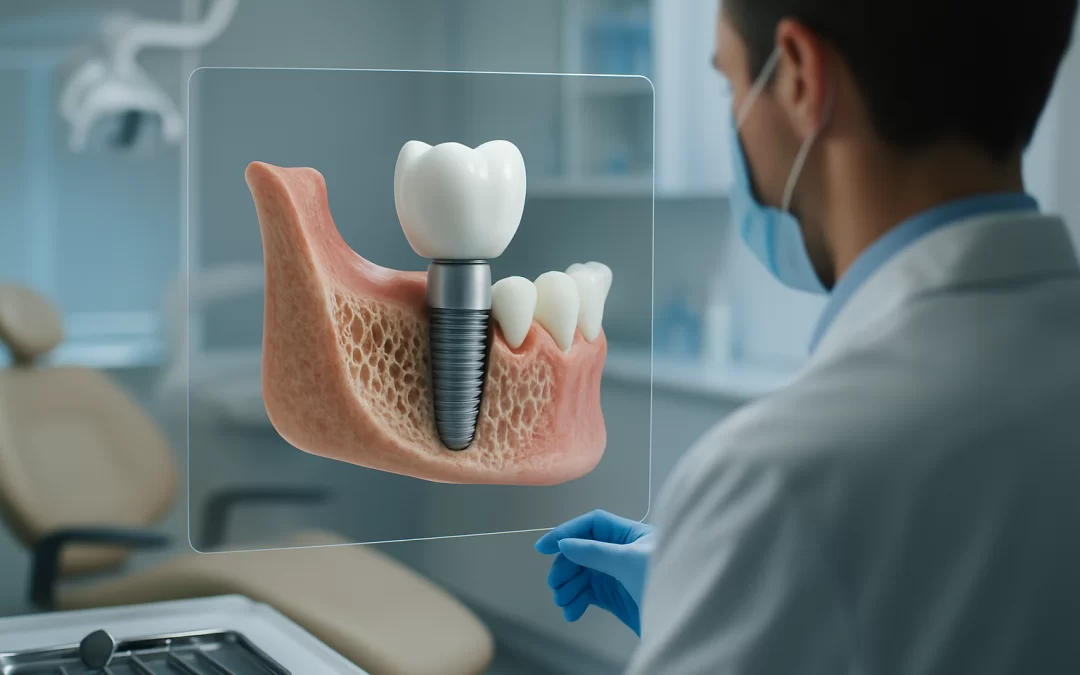
Dental implants are artificial tooth roots, usually made of titanium, that are placed into the jawbone to support a replacement tooth. They are designed to look, feel, and function like natural teeth.
A single dental implant tooth is usually made of three parts:
- Implant post – the screw-like part placed in the jawbone
- Abutment – the connector that attaches the crown to the implant
- Crown – the visible part that looks like a natural tooth
Implants can replace one tooth, several teeth, or even a full arch of teeth. If you are comparing options, you may also want to review how implants differ from other treatments such as bridges, dentures, or veneers. For example, you can explore dental implants vs. dentures for long-term results or dental implants vs. veneers if your main concern is appearance.
How Much Do Dental Implants Cost Per Tooth?
The cost of a dental implant per tooth in the U.S. usually falls within these ranges:
- Implant only (post): $1,500 – $3,000
- Abutment and crown: $1,000 – $3,000
- Total per tooth (typical range): $3,000 – $6,000
These numbers are averages and can be higher or lower depending on your area, the materials used, and whether you need extra procedures. For a detailed look at a single tooth replacement, you can review a dedicated guide on the single tooth implant procedure, cost, and recovery.
Costs for multiple implants or full-mouth solutions are calculated differently and may use fewer implants to support many teeth. If you are missing most or all of your teeth, it may be helpful to compare per-tooth costs with options like All-on-4 dental implants or full-mouth implant solutions.
What Affects Dental Implant Cost Per Tooth?
1. Location and Local Cost of Living
Dental implant prices vary widely by region. Practices in large cities or high-cost areas often charge more than those in smaller towns.
Factors include:
- Local rent and overhead costs
- Average wages for dental staff
- Competition and demand in the area
2. Dentist’s Training and Experience
Implants placed by highly trained or specialist providers (such as oral surgeons or periodontists) may cost more per tooth. However, their experience can reduce the risk of complications and improve long-term success.
Many general dentists also place implants and may work closely with specialists when needed. Always ask about your provider’s training, number of implants placed, and success rates.
3. Type and Brand of Implant
Not all implants are the same. Different manufacturers offer various designs, materials, and warranty policies.
- Premium brands may cost more but often have extensive research and long-term data behind them.
- Generic or value brands can lower the upfront cost but may have fewer options or less long-term data.
Your dentist will usually recommend a system they trust and use regularly.
4. Type of Crown and Materials Used
The crown (the visible tooth) can be made from different materials, which affects the price:
- Porcelain fused to metal – durable and often mid-range in cost
- All-ceramic or zirconia – highly aesthetic, often more expensive
- Metal-only crowns – less common for front teeth, sometimes used for back teeth
Custom shading and shaping to match your other teeth can also influence cost.
5. Need for Bone Grafting or Sinus Lift
If your jawbone is too thin or too soft, you may need a bone graft to support the implant. In the upper back jaw, a sinus lift may be required to create enough space for the implant.
These procedures add to the total cost and extend the treatment timeline, but they are important for long-term stability when needed.
6. Tooth Extraction and Site Preparation
If the tooth is still present, it must be removed before placing an implant. Sometimes the extraction and implant can be done in the same visit; other times, the site needs time to heal first.
Complex extractions, infections, or damaged bone can increase the cost and number of visits.
7. Sedation and Anesthesia Options
Most single-tooth implants are placed with local anesthesia (numbing) only, which is usually included in the base fee. If you choose or require sedation (such as oral sedation, IV sedation, or general anesthesia), there will be additional costs.
The type of sedation, length of the procedure, and whether an anesthesiologist is involved all affect the final price.
8. Number of Implants and Overall Treatment Plan
The cost per tooth can change depending on how many implants you need and how your dentist designs your treatment.
- Replacing a single tooth with its own implant and crown is usually priced per tooth.
- Replacing several teeth may involve fewer implants with a bridge or denture attached, changing the “per tooth” calculation.
This is why a full exam and treatment plan are essential for an accurate estimate.
Cost Breakdown Per Tooth
When people ask, “How much does a dental implant cost per tooth?” they are usually asking about the entire process from start to finish. Here is how the total is often broken down.
Diagnostic and Planning Costs
Before any implant is placed, your dentist needs to evaluate your mouth and bone structure.
- Exam and consultation: $75 – $250
- X-rays: $50 – $200
- 3D CBCT scan (if needed): $150 – $500
Some offices include these costs in the overall implant fee; others bill them separately.
Implant Placement (Surgical Phase)
This is the procedure where the implant post is placed into the jawbone.
- Implant surgery per tooth: $1,500 – $3,000 (not including grafting or sedation)
The fee covers the implant itself, the surgical time, and follow-up visits to monitor healing.
Abutment and Crown (Restorative Phase)
After the implant has fused with the bone, an abutment and crown are attached.
- Abutment: $300 – $800
- Crown: $700 – $2,200
- Total for abutment + crown: $1,000 – $3,000
These parts are custom-made to fit your implant and match your bite and smile.
Estimated Total Cost Per Tooth
Putting it all together, a typical single-tooth implant might cost:
- Low end: around $3,000 per tooth
- High end: $5,000 – $6,000 or more per tooth
This estimate assumes no major complications and does not include extensive bone grafting or advanced sedation.
Additional Procedures That Add to Cost
Bone Grafting
Bone grafting adds or rebuilds bone in the jaw where it is too thin or soft to support an implant.
- Minor grafting: $200 – $800 per site
- More extensive grafting: $1,000 – $3,000 or more
Healing from grafting can take several months before the implant can be placed.
Sinus Lift
A sinus lift is sometimes needed for implants in the upper back jaw when the sinus is too close to the planned implant site.
- Sinus lift procedure: $1,500 – $4,000 per side
This is a more advanced procedure and is usually performed by a specialist.
Tooth Extraction
If the tooth being replaced is still present, it must be removed first.
- Simple extraction: $100 – $300 per tooth
- Surgical or complex extraction: $250 – $600 or more per tooth
Temporary Tooth or Flipper
Many patients want a temporary replacement while the implant heals.
- Temporary partial (“flipper”): $300 – $800
- Temporary crown (in some cases): cost varies
Not everyone needs a temporary tooth, especially for back teeth that are less visible.
Sedation Fees
If you choose sedation beyond local anesthesia, there may be separate fees.
- Oral sedation: $200 – $500
- IV sedation: $500 – $1,500 or more, depending on time
These fees can be per visit, so multiple surgical appointments may increase total cost.
Insurance Coverage and Financing Options
Does Dental Insurance Cover Implants?
Coverage for dental implants varies widely between insurance plans.
- Some plans still consider implants “elective” and do not cover them.
- Others cover part of the implant, the crown, or related procedures like extractions or bone grafts.
- Many plans have annual maximums (for example, $1,000 – $2,000 per year), which may not cover the full cost.
It is important to have your dentist’s office send a pre-treatment estimate to your insurance company so you know what to expect.
Medical Insurance
In limited situations, medical insurance may help, such as after an accident or certain medical conditions. This is less common and usually requires detailed documentation and pre-approval.
Health Savings Accounts (HSA) and Flexible Spending Accounts (FSA)
If you have an HSA or FSA, you can often use these funds to pay for dental implants. This can reduce your out-of-pocket cost by using pre-tax dollars.
Financing and Payment Plans
Many dental offices offer financing options to spread out the cost of implants.
- Third-party financing companies (such as healthcare credit lines)
- In-house payment plans
- Discounts for paying in full upfront in some practices
Ask your dentist’s office about all available options so you can choose a plan that fits your budget.
What to Expect From the Implant Process
Timeline
The full dental implant process usually takes several months, depending on healing and whether you need extra procedures.
- Consultation and planning: 1–2 visits
- Implant placement: 1 visit
- Healing and bone integration: 3–6 months in most cases
- Abutment and crown placement: 1–2 visits
Some cases can be completed more quickly, especially with immediate implants or specialized techniques, but not everyone is a candidate for these approaches.
Pain and Comfort
Most patients report that implant placement is more comfortable than they expected. You will be numbed during the procedure, and many people manage post-operative discomfort with over-the-counter pain relievers.
If you are concerned about pain or anxiety, you may find it helpful to read more about how painful dental implants are and what to expect during and after treatment.
Recovery
After implant surgery, you can usually return to normal daily activities within a day or two, depending on the complexity of the procedure and your comfort level.
During healing, you may be asked to:
- Avoid chewing directly on the implant area
- Follow a softer diet for a short time
- Keep the area clean as directed by your dentist
Your dentist will schedule follow-up visits to monitor healing and make sure the implant is integrating properly.
Long-Term Maintenance
Once your implant crown is in place, you care for it much like a natural tooth.
- Brush twice a day with a soft toothbrush
- Floss daily, including around the implant
- Visit your dentist regularly for cleanings and checkups
With good care, implants can last many years. For more detail, you can review information on how long dental implants typically last and what affects their lifespan.
Risks and Limitations of Dental Implants
Common Risks
Dental implants are generally very successful, but like any procedure, they carry some risks.
- Infection at the implant site
- Implant not integrating with the bone (implant failure)
- Nerve irritation or numbness (rare)
- Sinus issues for upper implants (rare)
Your dentist will review your medical history and imaging to reduce these risks as much as possible.
Who May Not Be a Good Candidate?
Some conditions can make implants more complicated or less predictable, such as:
- Uncontrolled diabetes
- Heavy smoking
- Severe bone loss that cannot be corrected
- Certain medications or medical conditions that affect healing
In these cases, your dentist may recommend alternative treatments or work with your physician to improve your overall health before proceeding.
Limitations to Keep in Mind
- Implants require surgery and healing time; they are not an instant solution.
- Upfront costs are higher than some other options, though long-term value is often better.
- Good oral hygiene and regular dental visits are essential to protect your investment.
When to See a Dentist About Implants
You should schedule a dental visit to discuss implants if:
- You are missing one or more teeth and want a long-term replacement.
- Your denture or bridge is loose, uncomfortable, or difficult to use.
- You have a tooth that is badly damaged or cracked and may need to be removed.
- You are comparing options and want to understand the pros, cons, and costs of each.
Seek prompt care if you have:
- Severe tooth pain or swelling
- Infection around a broken or failing tooth
- Trauma to your mouth or jaw
Early evaluation can expand your treatment options and may reduce the need for more complex procedures later.
Frequently Asked Questions
How much does a full mouth of dental implants cost compared to per tooth?
A full mouth of implants can cost anywhere from $20,000 to $60,000 or more, depending on the approach and materials used. Instead of placing an implant under every tooth, many full-arch solutions use 4–8 implants to support a full set of teeth, which changes the “per tooth” calculation.
Why are dental implants more expensive than dentures or bridges?
Implants cost more upfront because they involve surgery, high-quality materials, custom lab work, and multiple visits. However, they are designed to be a long-term solution that helps preserve bone and function more like natural teeth, which can make them more cost-effective over time.
Are cheaper dental implants safe?
Lower prices do not always mean lower quality, but extremely cheap implants can be a warning sign. It is important to understand what is included in the fee, which materials and brands are used, and the provider’s training and experience before deciding.
Can I get a dental implant the same day my tooth is removed?
In some cases, yes—this is called an immediate implant. Whether this is possible depends on the health of the bone, the presence of infection, and your overall situation; your dentist will determine if you are a good candidate.
How long do dental implants last?
With good care, the implant post can often last many decades, and many patients keep their implants for life. The crown on top may eventually need to be replaced due to normal wear, similar to other dental restorations.
Is the cost of a dental implant worth it?
For many people, implants are worth the investment because they restore chewing, protect jawbone, and look and feel very natural. Only you and your dentist can decide if the benefits, long-term value, and your budget make implants the right choice for you.
Summary: Key Takeaways
- Most single-tooth dental implants cost between $3,000 and $6,000, including the implant, abutment, and crown.
- Prices vary based on location, provider experience, materials, and whether you need extra procedures like bone grafting or sinus lifts.
- Insurance may cover part of the treatment, and many offices offer financing or payment plans.
- A personalized exam and treatment plan are the only way to know your exact cost and options.
If you are missing a tooth or facing an extraction, talking with a dentist about implants can help you understand your choices, expected results, and total investment.
To move forward, schedule a consultation with a qualified dentist or specialist who regularly places implants. Bring your questions about cost, insurance, and alternatives so you can make a confident, informed decision about your smile and long-term oral health.

Dr. Carter is a dental content contributor who focuses on explaining dental procedures, costs, and treatment options in clear, patient-friendly terms. His work is designed to help readers understand what to expect and how to make informed decisions about their oral health.
Content on DentalServices.us is created for educational purposes and is based on current dental guidelines and publicly available information. It is not a substitute for professional dental advice, diagnosis, or treatment.