
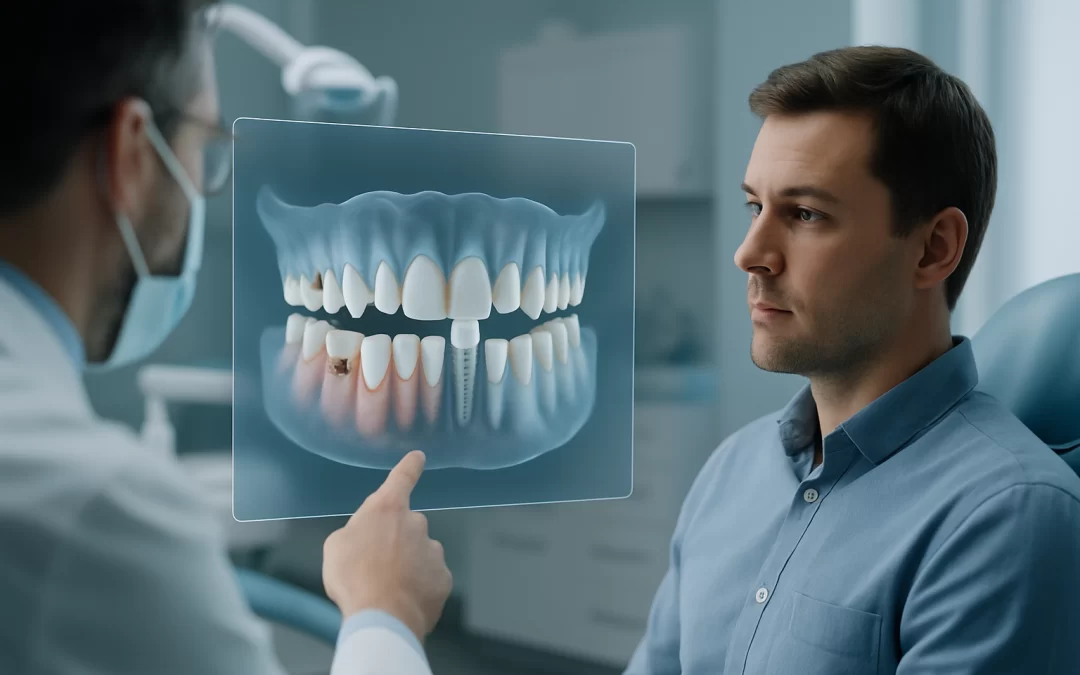
Dental treatment plans are step-by-step roadmaps your dentist creates to restore and protect your mouth over time. They outline what care you need, in what order, how long it may take, and an estimate of costs so you can plan ahead. A good treatment plan balances urgent problems, long-term oral health, your budget, and your comfort level. Every plan has limits, though, because it may need to change if your teeth, gums, or health change over time.
Dental treatment plans help patients understand what is happening in their mouth and what to do next, instead of feeling overwhelmed by separate procedures. This guide explains how dentists structure care, how costs are organized, and how treatment planning supports long-term oral health. It is written for patients, parents, and anyone trying to make sense of recommended dental work and expenses.
Table of Contents
- What Is a Dental Treatment Plan?
- Why Dentists Use Treatment Plans
- How Dentists Create a Treatment Plan (Step by Step)
- Types of Dental Treatment Plans
- How Dentists Prioritize Care: Urgent vs Long-Term
- What to Expect From Your Treatment Plan
- Costs in a Dental Treatment Plan
- Insurance and Dental Treatment Plans
- Risks and Limitations of Dental Treatment Plans
- Prevention and Maintenance in Your Plan
- When to See a Dentist for a Treatment Plan
- Frequently Asked Questions
- Summary and Next Steps
What Is a Dental Treatment Plan?
A dental treatment plan is a written outline of the dental care your dentist recommends for you. It usually includes the diagnosis, each procedure needed, the order of treatment, estimated costs, and an approximate timeline.
Think of it as a roadmap for your mouth. Instead of seeing each filling, cleaning, or crown as a separate event, the plan shows how everything fits together to restore and maintain your oral health.
Key parts of a typical treatment plan
- Your current oral health findings (cavities, gum disease, missing teeth, etc.)
- Recommended treatments (for example: fillings, crowns, cleanings, root canals)
- Priority level (urgent, needed soon, or elective/optional)
- Estimated costs for each procedure and for the full plan
- Notes about insurance coverage and your out-of-pocket share
- Suggested schedule or phases of treatment
Why Dentists Use Treatment Plans
Dentists use treatment plans to make care safer, more organized, and easier for you to understand. Without a plan, it is easy to miss important problems or feel surprised by costs or time commitments.
Benefits for patients
- Clarity: You see exactly what work is recommended and why.
- Budgeting: You can plan for costs and decide what to do first.
- Informed decisions: You can ask questions, consider alternatives, and give informed consent.
- Less anxiety: Knowing the steps ahead often reduces fear of the unknown.
Benefits for long-term oral health
- Prevents small problems from becoming painful emergencies.
- Helps protect previous dental work (fillings, crowns, implants).
- Supports overall health by managing gum disease and infection risks.
How Dentists Create a Treatment Plan (Step by Step)
Most treatment plans start with a new patient exam and a conversation about your goals, health history, and budget. From there, your dentist combines clinical findings with your preferences to design a plan that fits you.
1. Initial exam and information gathering
At your first visit, your dentist or hygienist will usually:
- Review your medical history and medications
- Ask about symptoms (pain, sensitivity, bleeding gums, broken teeth)
- Take X-rays to see between teeth and under old fillings
- Check your gums for signs of gum disease
- Examine each tooth, existing fillings, and your bite
If you want a deeper overview of what happens at a first visit, including typical fees, see this guide to a dental consultation for new patients.
2. Diagnosis
Next, your dentist identifies what is going on in your mouth. Common findings include:
- Cavities (tooth decay)
- Cracked or broken teeth
- Worn-down teeth from grinding
- Gingivitis or periodontitis (types of gum disease)
- Missing teeth or shifting teeth
- Old fillings or crowns that are failing
3. Discussing your goals and concerns
Your dentist should ask what matters most to you, such as:
- Stopping pain or sensitivity
- Being able to chew comfortably
- Improving the look of your smile
- Staying within a certain budget or using insurance wisely
- Reducing the number of visits or avoiding long appointments
4. Designing the plan
Using your exam results and your goals, the dentist designs a plan that:
- Addresses urgent problems first (like infections or severe decay)
- Stabilizes your mouth (for example, treating gum disease)
- Restores damaged or missing teeth
- Includes preventive care to maintain results
5. Reviewing options and costs with you
Before starting, the dentist or treatment coordinator should review:
- Each recommended procedure and why it is needed
- Any alternatives (for example, a filling vs. a crown in some cases)
- Estimated costs and what insurance may cover
- How many visits are likely and how long they may take
This is your chance to ask questions, request changes, or phase treatment to fit your budget and schedule.
Types of Dental Treatment Plans
Not all treatment plans look the same. Your plan depends on your oral health, age, and goals.
1. Preventive-focused plans
These are common for patients with relatively healthy mouths. They focus on:
- Regular cleanings
- Checkups and X-rays
- Fluoride treatments or sealants (especially for children)
- Minor repairs if needed
2. Restorative treatment plans
These plans repair teeth that are decayed, cracked, or worn. They may include:
- Fillings
- Root canals
- Crowns or onlays
- Bridges or partial dentures
3. Comprehensive or full-mouth plans
These are for patients with multiple issues, such as many missing or broken teeth, advanced gum disease, or long-term neglect. They often involve:
- Deep cleanings and gum treatment
- Multiple crowns, root canals, or extractions
- Tooth replacement (implants, dentures, or bridges)
- Possible orthodontic treatment to correct bite problems
4. Cosmetic-focused plans
Some plans focus mainly on appearance, once health and function are stable. They may include:
- Teeth whitening
- Veneers or bonding
- Aligners or braces for straighter teeth
Cosmetic care is often elective, so your dentist should clearly separate “need to have” from “nice to have” in your plan.
How Dentists Prioritize Care: Urgent vs Long-Term
A well-structured treatment plan does not do everything at once. It organizes care into stages so you can manage time, comfort, and cost.
Stage 1: Urgent or emergency care
This stage focuses on anything that threatens your health or causes significant pain, such as:
- Tooth infections or abscesses
- Severe toothaches
- Broken teeth causing pain or sharp edges
- Serious gum infections
Stage 2: Disease control and stabilization
Once emergencies are handled, the goal is to stop ongoing damage. This may include:
- Filling cavities before they grow
- Treating gum disease with deep cleanings
- Replacing failing fillings or crowns
- Managing grinding or clenching with a night guard
Stage 3: Restorative and functional care
Next, your dentist restores how your teeth look and work. Examples:
- Crowns for cracked or heavily filled teeth
- Root canals to save infected teeth
- Bridges, implants, or dentures to replace missing teeth
Stage 4: Cosmetic and long-term maintenance
Finally, your plan may include cosmetic improvements and ongoing maintenance:
- Whitening, veneers, or minor reshaping
- Regular cleanings and checkups
- Home care instructions tailored to your mouth
What to Expect From Your Treatment Plan
Every patient’s experience is different, but there are some common expectations around timeline, comfort, and follow-up.
Timeline
- Simple plans (a few fillings and cleanings) may be completed in 1–3 visits over a few weeks.
- Moderate plans (several crowns, deep cleanings) may take a few months.
- Complex or full-mouth plans (implants, dentures, orthodontics) can take 6–18 months or longer.
Pain and comfort
Most dental procedures are done with local anesthesia (numbing), so you should feel pressure but not sharp pain. After treatment, some soreness or sensitivity is normal for a few days.
Your dentist may recommend over-the-counter pain relievers, soft foods, and specific home care instructions. If you have dental anxiety, ask about options like nitrous oxide (laughing gas) or oral sedation.
Follow-up and adjustments
As your mouth heals and changes, your dentist may adjust the plan. For example:
- A tooth that was planned for a filling may need a crown if decay is deeper than expected.
- Gum health may improve or worsen, changing how often you need cleanings.
- Your bite may need minor adjustments after new crowns or dentures.
Costs in a Dental Treatment Plan
A major purpose of a treatment plan is to give you a clear picture of costs before you commit. Prices vary by location, dentist, and complexity, but there are typical ranges in the United States.
Typical cost ranges for common treatments
(These are general estimates; your actual costs may be higher or lower.)
- Routine cleaning: Often around $90–$200 per visit. For more detail, see this guide on how much a dental cleaning costs without insurance.
- Dental filling: Roughly $150–$400 per tooth, depending on size and material. You can review more detailed ranges in this article on dental filling costs.
- Root canal: Often $700–$1,600 or more per tooth, depending on which tooth and complexity.
- Crown: Commonly $900–$2,000 per tooth, depending on material and lab fees.
- Deep cleaning (scaling and root planing): Often $200–$400 per quadrant (one quarter of the mouth).
- Simple extraction: About $150–$400 per tooth; surgical extractions cost more.
How costs are shown in your plan
Your written treatment plan usually lists:
- The procedure code and description
- The dentist’s full fee
- Estimated insurance payment (if applicable)
- Your estimated out-of-pocket cost
Ask whether the estimate includes X-rays, exams, and follow-up visits, or if those are billed separately. Also ask how long the estimate is valid, as fees can change over time.
Ways to manage costs
- Phase treatment over time, starting with the most urgent work.
- Use dental insurance benefits strategically each year.
- Ask about in-office membership plans or discounts for paying in full.
- Consider financing options if available.
- Compare typical prices and savings strategies in this overview of dental care prices, insurance coverage, and ways to save.
Insurance and Dental Treatment Plans
Dental insurance can help reduce costs, but it rarely covers everything. Your treatment plan should clearly separate what is medically recommended from what your insurance will pay for.
How insurance usually works with treatment plans
- Most plans cover preventive care (cleanings, exams, X-rays) at a higher percentage.
- Basic services (fillings, simple extractions) are often covered at a moderate percentage.
- Major services (crowns, bridges, dentures) may have lower coverage.
- There is usually an annual maximum (for example, $1,000–$2,000 per year).
Pre-authorization and estimates
Your dental office can often send a pre-treatment estimate to your insurance company. This is not a guarantee, but it gives a better idea of what will be covered.
Because insurance rules are complex and can change, always confirm coverage directly with your insurer or benefits administrator.
Out-of-pocket planning
Even with insurance, you may have deductibles, co-pays, and costs above your annual maximum. Your treatment plan helps you decide whether to:
- Split treatment between calendar years to use two benefit periods
- Prioritize the most important procedures within your coverage limits
- Use savings or financing for larger, one-time treatments
Risks and Limitations of Dental Treatment Plans
A treatment plan is a professional recommendation, not a guarantee. There are always some uncertainties and possible changes.
Common limitations
- Hidden problems: Some issues only become clear once treatment begins (for example, deeper decay under an old filling).
- Healing differences: People heal at different rates, which can affect timelines.
- Insurance changes: Coverage can change if you switch jobs or plans.
- Patient choices: Delaying or skipping parts of the plan can allow problems to worsen.
Risks of not following a treatment plan
- Small cavities can grow into infections needing root canals or extractions.
- Untreated gum disease can lead to tooth loss and may affect overall health.
- Broken or cracked teeth can become painful or impossible to save.
Your dentist should explain the risks of both doing and not doing each recommended procedure so you can make informed decisions.
Prevention and Maintenance in Your Plan
A strong dental treatment plan does not stop when the “big” work is done. It includes a maintenance phase to protect your investment and keep your mouth healthy.
Routine professional care
- Regular cleanings (usually every 3–6 months, depending on your gum health)
- Periodic exams and X-rays to catch problems early
- Fluoride treatments or sealants for patients at higher risk of cavities
Home care recommendations
Your plan may include personalized advice such as:
- Brushing twice a day with fluoride toothpaste
- Daily flossing or using interdental brushes
- Using mouthwash if recommended
- Wearing a night guard if you grind your teeth
- Diet changes to reduce sugar and acid exposure
Protecting dental work
Fillings, crowns, implants, and dentures last longer when you:
- Keep up with cleanings and checkups
- Avoid chewing ice, hard candy, or non-food items
- Address grinding or clenching habits
When to See a Dentist for a Treatment Plan
You do not need to wait for severe pain to ask for a treatment plan. In fact, earlier is usually better and less expensive.
Signs you should schedule a visit soon
- Tooth pain, sensitivity, or a tooth that hurts when you bite
- Bleeding gums, bad breath, or gums that look swollen or receding
- Broken, chipped, or loose teeth
- Loose or broken fillings, crowns, or dentures
- Difficulty chewing or avoiding one side of your mouth
- It has been more than a year since your last dental visit
When to seek urgent or emergency care
- Severe toothache that keeps you awake or does not improve with pain medicine
- Facial swelling, fever, or signs of infection
- Knocked-out or severely broken tooth
- Uncontrolled bleeding after an injury or extraction
In these cases, call a dentist or urgent care provider right away. Once the emergency is handled, your dentist can create or update your long-term treatment plan.
Frequently Asked Questions
How long does a dental treatment plan usually last?
It depends on how much work you need. Simple plans may be finished in a few weeks, while more complex plans with crowns, implants, or orthodontics can take several months to over a year. Your dentist should give you a rough timeline and update it if things change.
Can I get a second opinion on a dental treatment plan?
Yes, getting a second opinion is common and completely acceptable. Bring a copy of your X-rays and written plan to another dentist and ask them to explain what they agree with, what they might do differently, and why. This can help you feel more confident in your decisions.
What if I cannot afford the entire treatment plan right now?
Tell your dentist about your budget so they can prioritize the most important work and phase treatment over time. Many offices can start with urgent care and disease control, then schedule other procedures later. Ask about payment plans, discounts, or lower-cost alternatives when appropriate.
Will my treatment plan change over time?
Yes, treatment plans are living documents and may change as your mouth and health change. New problems can appear, old ones can worsen or improve, and your goals or finances may shift. Your dentist should review and update your plan at regular checkups.
Is everything in a treatment plan absolutely necessary?
Not always. Some items are essential for health and function, while others are elective or cosmetic. Ask your dentist to clearly label which procedures are urgent, which are recommended but can be delayed, and which are optional so you can make informed choices.
How do I know if my treatment plan is reasonable?
A reasonable plan should make sense when explained in plain language, match what you see and feel in your mouth, and be consistent with your X-rays and exam findings. If you are unsure, ask for a detailed explanation, written breakdown, and consider a second opinion for peace of mind.
Summary and Next Steps
A dental treatment plan is your personalized roadmap for getting your mouth healthy, comfortable, and stable over time. It organizes problems by priority, outlines recommended procedures, and gives you a clear view of costs, timelines, and options.
Your next best step is to schedule a dental exam and ask for a written treatment plan that you can review at home. Bring your questions, be honest about your budget and concerns, and work with your dentist to create a plan that protects your oral health in a way that fits your life.

Dr. Carter is a dental content contributor who focuses on explaining dental procedures, costs, and treatment options in clear, patient-friendly terms. His work is designed to help readers understand what to expect and how to make informed decisions about their oral health.
Content on DentalServices.us is created for educational purposes and is based on current dental guidelines and publicly available information. It is not a substitute for professional dental advice, diagnosis, or treatment.