
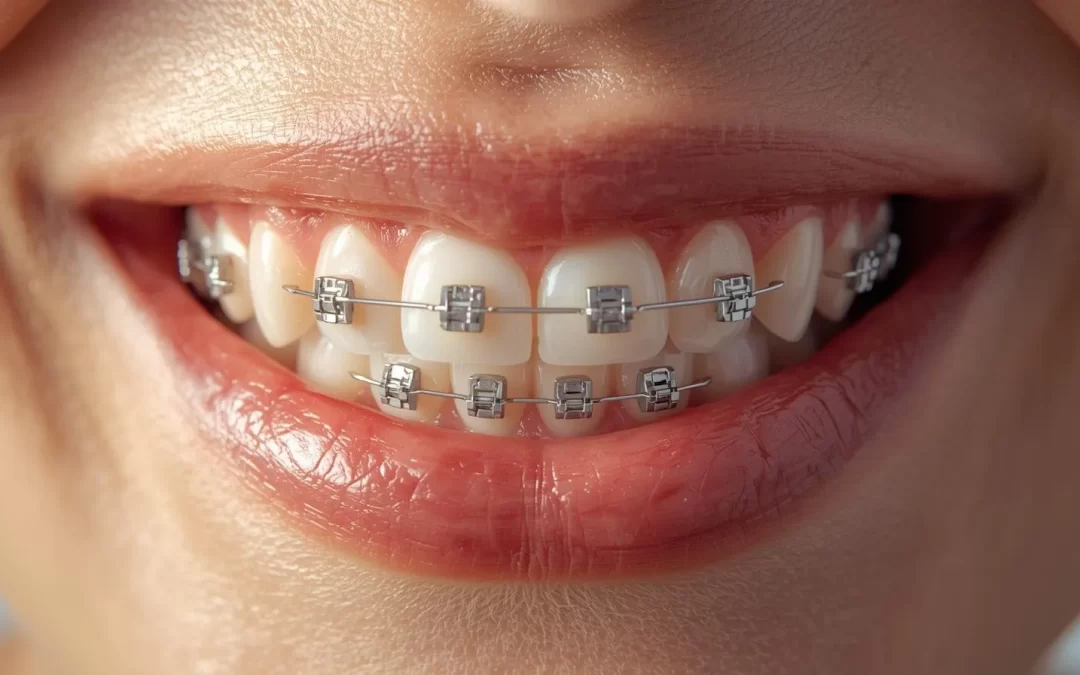
Many people wonder, “Do braces hurt?” before starting orthodontic treatment. It is normal to feel nervous about pain or discomfort, especially if you or your child has never worn braces before.
The good news is that braces usually do not cause sharp or severe pain. Most people feel soreness or pressure, especially right after braces are placed or adjusted. This discomfort is temporary and can be managed with simple home care and guidance from your orthodontist.
Table of Contents
- What Are Braces and How Do They Work?
- Do Braces Hurt? A Clear, Honest Explanation
- What Braces Feel Like at Each Stage
- Do Invisalign Aligners Hurt Less Than Braces?
- How to Manage Braces Pain and Discomfort
- Cost and Insurance Considerations
- Risks, Recovery, and Prevention Tips
- When to See a Dentist or Orthodontist Urgently
- Summary
- Frequently Asked Questions
What Are Braces and How Do They Work?
Braces are orthodontic devices that gently move your teeth into better positions over time. They are used to straighten crooked teeth, close gaps, fix bite problems, and improve your smile and oral health.
Basic parts of traditional braces
Traditional metal or ceramic braces usually include:
- Brackets: Small squares attached to each tooth.
- Archwire: A thin wire that connects the brackets and guides tooth movement.
- Elastic ties or clips: Tiny bands that hold the wire in place.
- Rubber bands (if needed): Used to correct bite alignment.
These parts work together by applying gentle, steady pressure. Your teeth slowly move through the bone into better positions. This process is controlled and monitored by your orthodontist at regular visits.
Do Braces Hurt? A Clear, Honest Explanation
Braces themselves do not constantly hurt, but they can cause periods of soreness or tenderness. Most people describe it as pressure, tightness, or an achy feeling, not sharp pain.
When are braces most uncomfortable?
- Right after getting braces put on: Your mouth is adjusting to something new.
- After adjustments: When the orthodontist tightens or changes the wire.
- After starting or changing rubber bands: Your bite is being guided into a new position.
This discomfort usually peaks in the first 24-72 hours and then fades. Between visits, most people feel little to no pain, just occasional mild sensitivity.
What kind of pain is normal?
- Soreness when biting or chewing.
- Tender teeth, especially front teeth.
- Minor irritation on the inside of the cheeks, lips, or tongue from rubbing against brackets or wires.
These are normal signs that your teeth are moving. They should improve within a few days with basic home care.
What Braces Feel Like at Each Stage
1. Getting braces put on
The process of placing braces usually does not hurt. You may feel:
- Pressure when the orthodontist cleans and dries your teeth.
- A little pressure when brackets are placed and the wire is attached.
No drilling or shots are typically needed. After you leave the office, your teeth may start to feel sore later that day or the next morning.
2. The first week with braces
During the first few days, you may notice:
- A dull ache in your teeth.
- Difficulty biting into hard foods.
- Cheek or lip irritation from the brackets.
This is often the most uncomfortable part of treatment because your mouth is not used to the braces yet. Soft foods, over-the-counter pain relief (if approved by your dentist or doctor), and orthodontic wax can help.
3. Routine adjustment visits
Every 4-8 weeks, you will have an adjustment visit. During this visit, the orthodontist may:
- Change the archwire.
- Tighten or replace elastic ties.
- Add or adjust rubber bands.
You may feel tightness or pressure right after the visit. Mild soreness usually lasts a couple of days and then improves.
4. Braces emergencies or broken parts
Sometimes, a wire can poke your cheek or a bracket can come loose. This can cause irritation or a sore spot but usually not deep pain. Your orthodontist can trim or fix the wire and repair the bracket.
5. Getting braces removed
Most people are surprised at how quick and easy removal is. You may feel some pressure when the brackets are taken off and the glue is polished away, but it is usually not painful. Your teeth and gums may feel a little sensitive for a few days afterward.
Do Invisalign Aligners Hurt Less Than Braces?
Invisalign and other clear aligners are popular alternatives to traditional braces. They use removable plastic trays instead of brackets and wires.
How Invisalign feels
- You may feel pressure or tightness when you start a new set of aligners.
- Soreness is usually mild and often improves within a couple of days.
- There is less cheek and lip irritation because there are no brackets or wires.
Many patients say Invisalign is more comfortable than metal braces, but you can still expect some soreness as your teeth move.
How to Manage Braces Pain and Discomfort
Home care tips
- Use over-the-counter pain relievers: Medications like ibuprofen or acetaminophen can help, if your doctor says they are safe for you. Follow the directions on the label.
- Eat soft foods: Choose yogurt, mashed potatoes, pasta, smoothies, scrambled eggs, and soups during the first few days after getting braces or adjustments.
- Use orthodontic wax: Your orthodontist will give you wax to place over brackets or wires that rub your cheeks or lips.
- Rinse with warm salt water: A gentle salt water rinse can soothe sore spots inside your mouth.
- Apply a cold compress: A cold pack on the outside of your mouth can reduce soreness and swelling.
Eating with braces
To reduce pain and avoid damage to your braces:
- Avoid very hard foods like nuts, hard candies, and ice.
- Avoid very sticky foods like caramel and chewing gum.
- Cut crunchy foods like apples and carrots into small pieces and chew carefully.
Oral hygiene and comfort
Keeping your teeth and braces clean can reduce irritation and prevent gum soreness:
- Brush gently but thoroughly around brackets and wires.
- Use a soft-bristled toothbrush or an electric toothbrush.
- Floss daily with floss threaders or special orthodontic flossers.
Cost and Insurance Considerations
Typical cost ranges
The cost of braces can vary widely depending on your location, the type of braces, and how complex your case is. In general:
- Traditional metal braces: Often range from about $3,000 to $7,000 for full treatment.
- Ceramic (tooth-colored) braces: Usually a bit more, often around $4,000 to $8,000.
- Invisalign or clear aligners: Commonly range from about $3,500 to $8,000.
These are general estimates and not guaranteed prices. Your orthodontist will provide a personalized quote after an exam.
Insurance coverage
- Many dental insurance plans cover part of orthodontic treatment, especially for children.
- Some plans offer a lifetime orthodontic benefit, such as $1,000-$2,500 toward braces or aligners.
- Coverage for adults varies; some plans include it, while others do not.
Before starting treatment, it is a good idea to:
- Call your insurance company to ask about orthodontic benefits.
- Ask if there are age limits or waiting periods.
- Request that the dental office send a pre-treatment estimate to your insurance.
Payment options
Most orthodontic offices offer payment plans to make treatment more affordable. Options may include:
- Monthly payment plans over 12-36 months.
- Discounts for paying in full at the start of treatment.
- Using a Health Savings Account (HSA) or Flexible Spending Account (FSA) to pay with pre-tax dollars.
Risks, Recovery, and Prevention Tips
Possible risks or side effects
- Tooth sensitivity: Teeth may be more sensitive to hot or cold, especially after adjustments.
- Gum irritation: Poor cleaning around braces can lead to swollen or bleeding gums.
- White spots or cavities: If plaque is not removed, you may develop white marks or decay around brackets.
- Root shortening: In some cases, the roots of teeth can become slightly shorter during treatment. Your orthodontist monitors this with X-rays.
How to reduce problems and discomfort
- Brush at least twice a day and floss daily.
- Use fluoride toothpaste and, if recommended, a fluoride mouth rinse.
- Follow your orthodontist’s instructions about rubber bands and aligner wear.
- Keep all scheduled appointments so your treatment stays on track.
Life after braces
When your braces come off, you will usually receive a retainer to keep your teeth in their new positions. Wearing your retainer as directed is important to prevent your teeth from shifting back.
When to See a Dentist or Orthodontist Urgently
Some discomfort with braces is normal, but certain situations need quick attention.
Contact your orthodontist promptly if you have:
- Severe pain that does not improve with over-the-counter pain medicine.
- A wire that is poking your cheek or gums and causing a cut or bleeding.
- A bracket or band that has come loose or broken.
- Swelling, pus, or signs of infection around a tooth or the gums.
- Sudden tooth pain that feels sharp, throbbing, or is triggered by hot or cold.
Seek emergency dental or medical care immediately if:
- You have facial swelling that makes it hard to breathe or swallow.
- You have a high fever with severe mouth pain.
- You experience trauma to the face or mouth that moves or damages your braces and teeth.
These situations are rare, but they require urgent care to protect your health.
Summary
Braces do not usually “hurt” all the time, but they can cause temporary soreness and pressure, especially when they are first placed and after adjustments. This is a normal part of moving teeth and can be managed with soft foods, pain relievers (when appropriate), orthodontic wax, and good home care.
Clear aligners like Invisalign often cause less irritation, but they can still create mild soreness as your teeth shift. With the right information, support from your orthodontist, and realistic expectations, most people find that the benefits of a straighter, healthier smile are well worth the short-term discomfort.
Frequently Asked Questions
Do braces hurt every day?
No. Most people only feel noticeable soreness for a few days after getting braces and after each adjustment. Between visits, you may forget you are even wearing them, aside from some minor sensitivity at times.
How long will my teeth hurt after getting braces?
For many patients, the most intense soreness lasts 2-3 days, then gradually improves over the next few days. By the end of the first week, most people feel much more comfortable.
Are braces more painful than Invisalign?
Traditional braces can cause more cheek and lip irritation because of the brackets and wires. Invisalign usually causes less rubbing but can still create pressure and soreness when you switch to a new aligner. Comfort varies from person to person.
Can I go to school or work the day I get braces?
Yes. You can usually return to normal activities right away. You may feel some soreness later in the day, so plan soft foods and have pain relief available if needed.
What can I do if a wire is poking my cheek?
Place orthodontic wax over the sharp area to protect your cheek. If you cannot get relief, call your orthodontist. They can trim or adjust the wire, often with a quick visit.
Is it normal for my teeth to feel loose with braces?
Yes. Teeth often feel slightly loose during orthodontic treatment. This is a normal part of how they move through the bone. If you feel extreme looseness or are worried, contact your orthodontist for an exam.
If you are thinking about braces or Invisalign and have concerns about pain, talk with a dentist or orthodontist about your options. A professional evaluation can help you understand what to expect, review costs and insurance, and create a plan that keeps you as comfortable as possible while you work toward a healthier smile.