
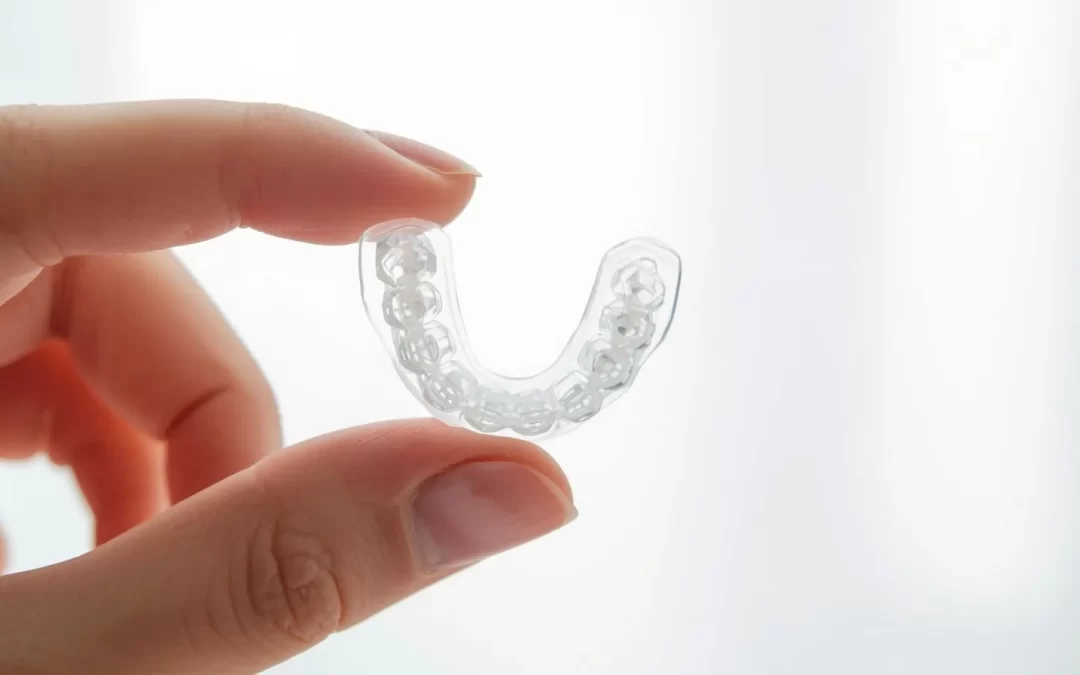
Many people think about getting braces or Invisalign but worry about how long treatment will take. The truth is that the answer is different for everyone. Your teeth, bite, age, and the type of braces you choose all affect your timeline.
This guide explains how long braces usually take, what can speed up or slow down treatment, what to expect at each stage, and how costs and insurance may be involved. It is designed to help you feel informed and confident before you start orthodontic treatment.
Table of Contents
- What Braces Do and Why Treatment Time Varies
- Average Time Braces Take
- Signs You May Need Braces or Invisalign
- What to Expect During Braces Treatment
- Types of Braces and How They Affect Time
- Cost and Insurance Considerations
- Risks, Recovery, and Prevention Tips
- When to See a Dentist or Orthodontist
- Summary
- Frequently Asked Questions
What Braces Do and Why Treatment Time Varies
Braces and clear aligners (like Invisalign) gently move your teeth into better positions. They use steady, controlled pressure to guide teeth, roots, and even the jaw into alignment over time.
How long braces take depends on several factors:
- How crooked or crowded your teeth are – Mild spacing or crowding is usually faster to fix than severe issues.
- Your bite – Problems like overbite, underbite, or crossbite often take longer to correct.
- Your age – Children and teens often move a bit faster because their jaws are still growing, but adults can still get excellent results.
- The type of braces or aligners – Traditional braces, ceramic braces, lingual braces, and Invisalign can have slightly different timelines.
- How well you follow instructions – Wearing rubber bands, aligners, and retainers as directed can shorten treatment. Skipping them can add months or more.
Average Time Braces Take
Most full orthodontic treatments with braces or Invisalign take:
- Typical range: 18-24 months
- Mild cases: as short as 6-12 months
- More complex cases: 24-36 months or longer
For example:
- A teen with slightly crowded front teeth and a normal bite might finish in about 12-18 months.
- An adult with crowded teeth, a deep overbite, and jaw alignment problems might need 24-30 months.
Your orthodontist will give you an estimated timeline after a full exam, X-rays, and digital scans. This estimate can change if your teeth move faster or slower than expected, or if you miss appointments or instructions.
Signs You May Need Braces or Invisalign
Not everyone needs braces, but certain signs suggest that orthodontic treatment could help. These signs do not mean you need emergency care, but they are reasons to schedule an evaluation.
Common Signs in Children and Teens
- Crowded or overlapping teeth
- Large gaps between teeth
- Early or late loss of baby teeth
- Difficulty chewing or biting food
- Thumb sucking or pacifier use beyond age 4-5
- Jaws that shift or click when opening and closing
Common Signs in Adults
- Teeth that have shifted or become more crowded over time
- Difficulty flossing between tight or overlapping teeth
- Jaw pain, headaches, or worn-down teeth from a bad bite
- Feeling self-conscious about your smile
If you notice any of these, an orthodontic consultation can help you understand your options and how long braces or aligners might take in your situation.
What to Expect During Braces Treatment
Understanding the steps of treatment can make the process feel less stressful and more predictable.
1. Initial Consultation
During your first visit, the dentist or orthodontist will:
- Examine your teeth, gums, and bite
- Take X-rays and photos
- Scan or take molds of your teeth
- Discuss your goals and concerns
- Explain treatment options, expected time, and estimated cost
2. Planning and Getting Braces or Aligners
At the next visit, you may have your braces placed or receive your first set of aligners.
- Braces: Brackets are glued to your teeth, and a wire is attached. This usually takes 1-2 hours.
- Invisalign or clear aligners: You receive a series of custom trays that you wear 20-22 hours per day.
You may feel pressure or soreness for a few days as your teeth start to move. Over-the-counter pain relievers and soft foods usually help.
3. Adjustment Visits
To keep your teeth moving, you will have regular checkups:
- Braces: Adjustments every 4-8 weeks to tighten or change wires and add rubber bands if needed.
- Aligners: New trays every 1-2 weeks, with checkups every 6-10 weeks.
These visits are important. Missing them can slow down treatment and extend how long you need braces.
4. Finishing Treatment and Retainers
When your teeth and bite are in the right position, your braces are removed or you finish your last aligner tray. Then you receive retainers to keep your teeth from shifting back.
- Retainers may be removable, fixed (bonded behind teeth), or both.
- Most people wear retainers full-time at first, then only at night.
Wearing retainers as directed is essential. Skipping them can undo months or years of treatment.
Types of Braces and How They Affect Time
The type of orthodontic treatment you choose can slightly change how long braces take, but the main factor is still how complex your case is.
Metal Braces
- Most common and usually the fastest option for complex cases.
- Average time: about 18-24 months, depending on your needs.
Ceramic (Clear) Braces
- Tooth-colored brackets that are less noticeable.
- Can take a similar amount of time as metal braces, though sometimes slightly longer.
Lingual Braces
- Braces placed on the back (tongue side) of the teeth.
- More hidden but can be more complex to adjust; treatment time may be similar or slightly longer.
Invisalign and Other Clear Aligners
- Removable, clear trays that are nearly invisible.
- Great for many mild to moderate cases; some complex cases can also be treated.
- Average time: about 12-24 months, depending on how consistently you wear them.
For aligners, your daily habits matter a lot. If you wear them less than 20-22 hours per day, treatment can take much longer than planned.
Cost and Insurance Considerations
The cost of braces or Invisalign depends on your location, the type of treatment, and how long it takes. The longer and more complex the treatment, the higher the cost is likely to be.
Typical Cost Ranges (Estimates)
- Metal braces: $3,000-$7,000
- Ceramic braces: $4,000-$8,000
- Lingual braces: $6,000-$10,000+
- Invisalign/clear aligners: $3,000-$8,000
Shorter, limited treatments (for minor crowding or cosmetic tweaks) may cost less. More complex cases that take longer may cost more.
Insurance Coverage
- Many dental insurance plans cover part of orthodontic treatment, especially for children under 18.
- Some plans also help with adult braces, but coverage may be more limited.
- Coverage is often a set dollar amount (for example, up to $1,000-$2,500) or a percentage of the total cost.
Before starting treatment, ask your dental office to:
- Check your insurance benefits
- Provide a written estimate of your out-of-pocket cost
- Explain payment plans, monthly options, or financing if available
Risks, Recovery, and Prevention Tips
Possible Risks and Side Effects
Orthodontic treatment is very safe, but there are some possible issues to be aware of:
- Temporary soreness: Common after adjustments or new aligners.
- Tooth decay or gum problems: Braces can trap food, making brushing and flossing more important.
- Root shortening: In some people, the roots of teeth may shorten slightly. This is usually minor.
- Relapse: Teeth can shift back if you do not wear your retainers.
How to Protect Your Teeth During Treatment
- Brush at least twice a day and floss once a day (special floss threaders or water flossers can help with braces).
- Use fluoride toothpaste and, if recommended, a fluoride rinse.
- Avoid very hard, sticky, or chewy foods that can break brackets or wires.
- Wear a mouthguard if you play sports.
Good home care can prevent cavities and gum disease, which could delay treatment and make it take longer.
When to See a Dentist or Orthodontist
Routine and Planning Visits
- Children should have an orthodontic evaluation by about age 7, even if they do not need braces yet.
- Teens and adults can schedule a consultation any time they are interested in improving their smile or bite.
Situations That Need Prompt Attention
Call your dentist or orthodontist soon if you notice:
- A broken bracket, loose wire, or sharp edge cutting your cheek or gums
- Severe pain that does not improve with over-the-counter pain relievers
- Swelling, pus, or signs of infection around a tooth or the gums
- Sudden tooth mobility that feels unusual or worrying
These are usually not life-threatening emergencies, but they should be addressed quickly to keep treatment on track and protect your health.
Summary
How long braces take depends on your teeth, bite, age, and the type of treatment you choose. For most people, braces or Invisalign take about 18-24 months, with mild cases finishing sooner and complex cases taking longer.
Regular visits, good home care, and following your orthodontist’s instructions can help you finish as quickly and safely as possible. A consultation is the best way to get a personalized estimate of your treatment time and cost.
Frequently Asked Questions
How long do braces take to start working?
Braces and aligners start moving your teeth right away, but you may not see visible changes for a few weeks. Most people notice a difference in their smile within 2-3 months.
Can I get my braces off early if my teeth look straight?
Even if your front teeth look straight, your bite and roots may still need time to settle. Removing braces too early can lead to relapse or bite problems. Your orthodontist will remove them when both appearance and function are stable.
Do adults take longer to finish braces than kids?
Adults’ teeth can move slightly slower because their jaws are fully developed, but many adults still finish in 18-24 months. The complexity of the case matters more than age alone.
Can I speed up how long braces take?
You cannot safely rush tooth movement, but you can avoid delays by keeping all appointments, wearing rubber bands or aligners as directed, keeping your teeth clean, and protecting your braces from damage.
What happens if I do not wear my retainer?
If you skip your retainer, your teeth can slowly shift back toward their original positions. In some cases, you may need braces or aligners again to fix the movement. Wearing your retainer as instructed protects the time and money you invested.
Taking the step to learn about braces is an important move toward a healthier, more confident smile. If you are considering treatment, schedule a consultation with a dental professional to get a personalized plan, timeline, and cost estimate that fit your needs and goals.