
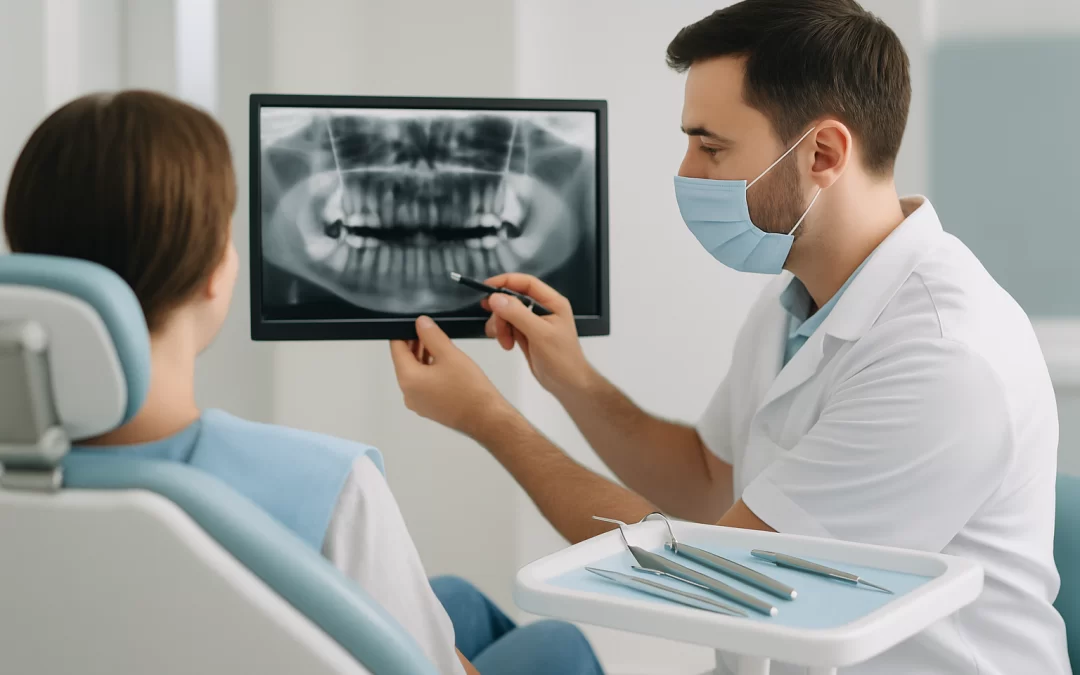
How much should you expect to pay for preventive dental care? In the United States, most people can expect to pay about $75–$200 for a routine dental checkup and cleaning without insurance, and $25–$60 for routine dental X-rays. With typical dental insurance, preventive visits are often covered at 80–100%, leaving you with little or no out-of-pocket cost. Prices vary by location, the dentist’s experience, and how long it has been since your last visit, so your exact cost may be higher if you need extra cleaning or additional tests.
Preventive dental care is one of the most cost-effective ways to protect your teeth and gums. This guide explains what preventive care includes, how much it usually costs, how insurance works, and when you should see a dentist so you can plan with confidence.
Table of Contents
- What Is Preventive Dental Care?
- Why Preventive Dental Care Matters
- What Is Usually Included in Preventive Dental Visits?
- Cost Breakdown: How Much Does Preventive Dental Care Cost?
- How Insurance Covers Preventive Dental Care
- Paying for Preventive Care Without Insurance
- Risks and Limitations of Preventive Dental Care
- Everyday Prevention Tips at Home
- When to See a Dentist for Preventive Care
- Frequently Asked Questions
- Summary and Next Steps
What Is Preventive Dental Care?
Preventive dental care includes all the routine steps you and your dentist take to keep your mouth healthy and stop problems before they start. It focuses on regular checkups, cleanings, X-rays when needed, and good daily habits at home.
The goal is to find early signs of cavities, gum disease, and other issues while they are still small, simple, and less expensive to treat. Preventive care is recommended for both children and adults throughout life.
Common types of preventive dental care
- Routine dental exams (checkups)
- Professional teeth cleanings
- Dental X-rays when appropriate
- Fluoride treatments
- Dental sealants for children and some adults
- Oral cancer screenings
- Education on brushing, flossing, and diet
Why Preventive Dental Care Matters
Preventive care helps you avoid painful, complex, and costly dental problems later. A small cavity or early gum inflammation is much easier and cheaper to treat than a root canal, extraction, or advanced gum surgery.
Regular checkups also support your overall health. Conditions like diabetes, heart disease, and pregnancy-related complications can be linked to poor oral health, so keeping your mouth healthy benefits your whole body.
Benefits of preventive dental care
- Lower long-term dental costs by catching problems early
- Less risk of toothaches, infections, and emergencies
- Better breath and a cleaner, brighter smile
- More predictable dental expenses over time
- Peace of mind from knowing your mouth is checked regularly
What Is Usually Included in Preventive Dental Visits?
Most preventive visits follow a similar pattern, though each office may have its own routine. A standard checkup and cleaning usually includes an exam, cleaning, and sometimes X-rays.
Dental exam
During an exam, the dentist or hygienist will:
- Check each tooth for cavities, cracks, or wear
- Examine your gums for signs of inflammation or gum disease
- Look at your tongue, cheeks, and other soft tissues
- Evaluate your bite and jaw movement
- Screen for signs of oral cancer
Professional cleaning
A dental hygienist usually performs the cleaning. They will:
- Remove plaque and tartar (hardened buildup) from teeth and along the gumline
- Polish your teeth to remove surface stains
- Floss between your teeth
- Rinse and review home-care tips if needed
If you want more detail on what happens during a cleaning, you can read a step-by-step explanation in what happens during a dental cleaning.
Dental X-rays
X-rays help your dentist see between teeth, under fillings, and below the gums where a visual exam cannot. They are not always needed at every visit, especially if you have a low risk of cavities or gum disease.
How often you need X-rays depends on your age, risk level, and dental history. For more detail, see how often you should get dental X-rays.
Fluoride treatments
Fluoride is a mineral that helps strengthen tooth enamel and prevent cavities. In the dental office, it is usually applied as a gel, foam, or varnish.
Fluoride treatments are especially helpful for children, people with a history of frequent cavities, or anyone with dry mouth or other risk factors.
Dental sealants
Sealants are thin, protective coatings placed on the chewing surfaces of back teeth. They help block food and bacteria from getting into the deep grooves where cavities often start.
Sealants are most common for children and teens, but some adults with deep grooves or high cavity risk may benefit as well.
Cost Breakdown: How Much Does Preventive Dental Care Cost?
Costs vary by region, the type of dental office, and your specific needs. The ranges below are typical self-pay prices in many parts of the United States; large cities or high-cost areas may be higher.
Average costs for common preventive services (without insurance)
- Routine exam: $50–$100 per visit
- Professional cleaning (adult): $75–$200 per visit
- Professional cleaning (child): $60–$150 per visit
- Bitewing X-rays (2–4 images): $25–$60
- Full-mouth X-rays or panoramic X-ray: $80–$250
- Fluoride treatment: $20–$60
- Dental sealants (per tooth): $30–$60
Typical total cost per visit
For a healthy adult with no major issues:
- Exam + cleaning only: about $100–$250
- Exam + cleaning + routine X-rays: about $150–$350
For a child’s preventive visit with exam, cleaning, fluoride, and X-rays, the total is often in the $120–$300 range without insurance.
Factors that affect your cost
- Location: Urban and coastal areas tend to be more expensive than rural regions.
- Type of practice: Private practices may charge more than large clinics or dental schools.
- Time since your last visit: If it has been several years, you may need a deeper cleaning, which costs more.
- Oral health status: Heavy tartar buildup, early gum disease, or many problem areas may require extra time and services.
- Additional tests: Extra X-rays or special assessments can add to the total.
How Insurance Covers Preventive Dental Care
Most dental insurance plans are designed to encourage preventive care because it lowers long-term costs for both you and the insurer. Preventive services are often covered at a higher percentage than fillings, crowns, or other treatments.
Typical insurance coverage for preventive care
- Exams and cleanings: Often covered at 80–100%, usually twice per year
- Routine X-rays: Often covered at 80–100% on a set schedule (for example, once a year)
- Fluoride treatments: Often covered for children; sometimes for adults at higher risk
- Sealants: Commonly covered for children’s permanent molars up to a certain age
What you may still pay with insurance
- Deductible: Some plans require you to pay a small amount each year before coverage begins, though many waive this for preventive care.
- Copay or coinsurance: You may owe a percentage (for example, 10–20%) of the allowed fee.
- Out-of-network differences: If your dentist is out-of-network, your share may be higher.
- Frequency limits: Plans often limit cleanings and exams to two per year; extra visits may not be covered.
Annual maximums
Most dental plans have an annual maximum, often between $1,000 and $2,000 per year. Preventive care usually uses only a small portion of this amount, leaving more available if you need fillings or other work.
It is wise to use your covered preventive visits each year so small problems do not grow into major, more expensive treatments that quickly use up your maximum.
Paying for Preventive Care Without Insurance
If you do not have dental insurance, preventive care is still important and often more affordable than people expect. Many offices offer options to help manage costs.
Common ways to save on preventive dental care
- In-office membership plans: Some practices offer a yearly membership that includes exams, cleanings, and X-rays for a set fee, plus discounts on other services.
- Dental discount plans: These are not insurance but can provide reduced fees at participating offices.
- Dental schools: Dental schools often provide care at lower cost, supervised by experienced dentists.
- Community clinics: Some community health centers and nonprofit clinics offer sliding-scale fees based on income.
- Payment plans: Many offices allow you to spread costs over several months for larger treatment plans.
Why preventive care is still worth it without insurance
Even if you pay out of pocket, two preventive visits per year usually cost far less than one emergency visit, root canal, or extraction. Regular care helps you avoid sudden, large bills and painful surprises.
Risks and Limitations of Preventive Dental Care
Preventive dental care is very safe for most people, but like any health service, it has some limitations. It greatly reduces risk but cannot guarantee you will never have a dental problem.
Possible minor side effects
- Temporary sensitivity: Teeth or gums may feel sensitive after a cleaning, especially if there was heavy buildup.
- Gum soreness: Gums can feel tender for a day or two after thorough cleaning.
- Fluoride taste or texture: Some people dislike the taste or feel of fluoride products, but this is short-lived.
Limitations to keep in mind
- Preventive visits cannot fully undo years of severe decay or advanced gum disease; additional treatment may be needed.
- Genetics, medical conditions, and medications can still increase your risk of dental problems even with good care.
- Skipping daily brushing and flossing at home reduces the benefits of professional preventive care.
Everyday Prevention Tips at Home
What you do every day at home has a big impact on how much dental care you will need and how much you will pay over time. Good habits can reduce your risk of cavities and gum disease.
Daily habits that protect your teeth
- Brush your teeth twice a day with fluoride toothpaste for about two minutes each time.
- Floss once a day to clean between teeth where your toothbrush cannot reach.
- Limit sugary snacks and drinks, especially between meals.
- Drink plenty of water, especially if your mouth feels dry.
- Avoid tobacco products, which increase the risk of gum disease and oral cancer.
Tools that can help
Some people find that certain tools make home care easier and more effective:
- Electric toothbrushes, which can help you clean more thoroughly with less effort
- Interdental brushes or water flossers for cleaning between teeth
- Fluoride mouth rinses if recommended by your dentist
If you are deciding between an electric and manual toothbrush, you may find it helpful to compare the pros and cons in electric toothbrush vs. manual: which is better?.
When to See a Dentist for Preventive Care
Most people should see a dentist for preventive care every six months. Some people with very healthy mouths may be fine with once-a-year visits, while others with higher risk may need to come every three to four months.
Routine scheduling
- Every 6 months: Common recommendation for exams and cleanings
- Every 3–4 months: Often advised for people with a history of gum disease or heavy tartar buildup
- At least once a year: Minimum for most adults, even if you have no symptoms
Signs you should schedule a visit soon
Do not wait for pain before seeing a dentist. Make an appointment if you notice:
- Bleeding gums when brushing or flossing
- Bad breath that does not improve with brushing
- Sensitivity to hot, cold, or sweet foods
- Visible dark spots or holes in teeth
- Red, swollen, or receding gums
- Loose teeth or changes in how your teeth fit together
These can be early warning signs of cavities or gum disease. You can learn more about warning signs in resources such as early signs of cavities you should not ignore and what causes gum disease.
Frequently Asked Questions
How much does a routine dental cleaning and exam cost without insurance?
For most adults in the U.S., a routine cleaning and exam without insurance typically costs between $100 and $250. If you also need routine X-rays, the total may be around $150–$350 depending on your location and the office.
How often should I get preventive dental care?
Most people should have a preventive visit every six months. Your dentist may recommend more or less frequent visits based on your risk for cavities, gum disease, and other conditions.
Is preventive dental care really cheaper in the long run?
Yes. Two preventive visits per year usually cost far less than treating advanced problems like root canals, crowns, or extractions. Catching issues early also means less time in the dental chair and fewer emergencies.
Does dental insurance cover 100% of preventive care?
Many dental plans cover preventive services like exams, cleanings, and routine X-rays at 80–100%, especially when you see an in-network dentist. However, coverage details vary, so it is important to review your specific plan for copays, deductibles, and frequency limits.
What if I have not seen a dentist in years?
If it has been a long time, your first visit may take longer and cost more, especially if you need a deeper cleaning or extra X-rays. Do not let embarrassment stop you; dental teams are used to helping people get back on track and will work with you to plan care at a pace and budget you can manage.
Can I skip X-rays to save money?
X-rays are an important tool for finding hidden problems, but you may not need them at every visit. Talk with your dentist about your risk level and how often X-rays are truly necessary so you can balance safety, cost, and peace of mind.
Summary and Next Steps
Preventive dental care usually costs between $100 and $350 per visit without insurance, and often much less with typical dental coverage. These visits include exams, cleanings, and sometimes X-rays, and they are one of the most effective ways to avoid painful, expensive dental problems later.
By combining regular professional care with good daily habits at home, you can protect your smile and keep your long-term dental costs more predictable. If you are unsure what you will pay, ask your dental office for an estimate before your visit so there are no surprises.
To get started, schedule a preventive checkup and cleaning, especially if it has been more than six to twelve months since your last visit. A short appointment now can help you avoid bigger procedures, higher bills, and unnecessary stress in the future. If you have questions about costs, insurance, or payment options, contact a local dental office and ask for a simple breakdown tailored to your situation.

Dr. Carter is a dental content contributor who focuses on explaining dental procedures, costs, and treatment options in clear, patient-friendly terms. His work is designed to help readers understand what to expect and how to make informed decisions about their oral health.
Content on DentalServices.us is created for educational purposes and is based on current dental guidelines and publicly available information. It is not a substitute for professional dental advice, diagnosis, or treatment.