
Invisalign & Braces
Clear Aligners, Costs, Treatment Time & What to Expect
Straight teeth aren’t just about appearance — they improve oral health, bite alignment, and long-term dental stability. Whether you’re considering Invisalign® clear aligners or traditional braces, this guide explains your options, costs, treatment timeline, and what results to expect in your area.
Considering Invisalign or Braces?
Speak with a local orthodontic provider about treatment options and pricing.
Considering Invisalign or Braces?
Speak with a local orthodontic provider about treatment options and pricing.
What Is Invisalign?
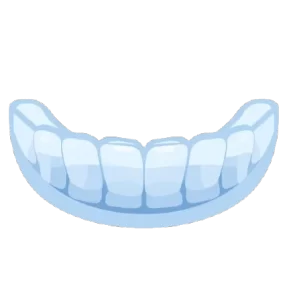
Invisalign uses a series of custom-made, clear plastic aligners that gradually shift your teeth into alignment. The aligners are removable, nearly invisible, and replaced every 1–2 weeks as your teeth move.
Invisalign is popular among adults and teens who want a discreet orthodontic option.
What Are Traditional Braces?
Braces use brackets and wires to apply controlled pressure that moves teeth into proper alignment. Modern braces are smaller and more comfortable than older designs.
Options may include:
- Metal braces
- Ceramic (tooth-colored) braces
- Lingual braces (behind the teeth)

Invisalign vs. Braces: What’s the Difference?
- Appearance: Invisalign is nearly invisible; braces are visible
- Removability: Invisalign can be removed; braces are fixed
- Comfort: Both may cause pressure during adjustments
- Complex cases: Severe misalignment may respond better to braces
- Discipline required: Invisalign must be worn 20–22 hours per day
A consultation helps determine the best solution for your case.
How Long Does Invisalign or Braces Take?
Treatment time varies by case complexity.
- Mild cases: 6–12 months
- Moderate cases: 12–18 months
- Complex cases: 18–24+ months
Some patients begin noticing visible improvements within a few months.
How Much Does Invisalign Cost?
Costs vary depending on treatment length and complexity.
- Invisalign: $3,000 – $7,000+
- Traditional braces: $3,000 – $7,000+
Insurance may cover a portion of orthodontic treatment, especially for minors. For coverage and financing options, visit our Dental Costs & Insurance page.


Are Invisalign Aligners Painful?
Most patients experience mild pressure when switching to a new aligner. This pressure is a sign that teeth are moving. Discomfort typically decreases within a few days.
Benefits of Straight Teeth
- Easier cleaning and better oral hygiene
- Reduced risk of gum disease
- Improved bite alignment
- Lower risk of uneven wear
- Improved confidence
Routine checkups remain important during orthodontic care. See our General & Preventive Dentistry page for ongoing oral health guidance.
Who Is a Good Candidate for Invisalign?
- Mild to moderate crowding
- Gaps between teeth
- Overbite, underbite, or crossbite (case-dependent)
- Adults and responsible teens
Severe bite issues may require traditional braces or specialist evaluation.
What Happens After Orthodontic Treatment?
After treatment, patients typically wear a retainer to maintain alignment. Skipping retainer use can allow teeth to shift back over time.

Explore More Invisalign & Braces Guides
Choosing the right orthodontic treatment depends on cost, treatment time, comfort, and long-term results. These detailed guides can help you compare options and understand what to expect.
Costs & Value
Comparisons
Treatment Time & Comfort
Frequently Asked Questions
Is Invisalign faster than braces?
In mild cases, Invisalign may move teeth quickly. In complex cases, treatment time may be similar to braces.
Can adults get Invisalign?
Yes. Many Invisalign patients are adults seeking discreet orthodontic treatment.
Does insurance cover Invisalign?
Some dental insurance plans include orthodontic benefits that apply to Invisalign. Coverage varies by plan.
How many hours per day should Invisalign be worn?
Aligners are typically worn 20–22 hours per day for optimal results.
Ready to Find Your Dentist?
Don’t wait – connect with a trusted dental professional today
Available 24/7 for emergencies and routine appointments
Ready to Find Your Dentist?
Don’t wait – connect with a trusted dental professional today
Available 24/7 for emergencies and routine appointments