
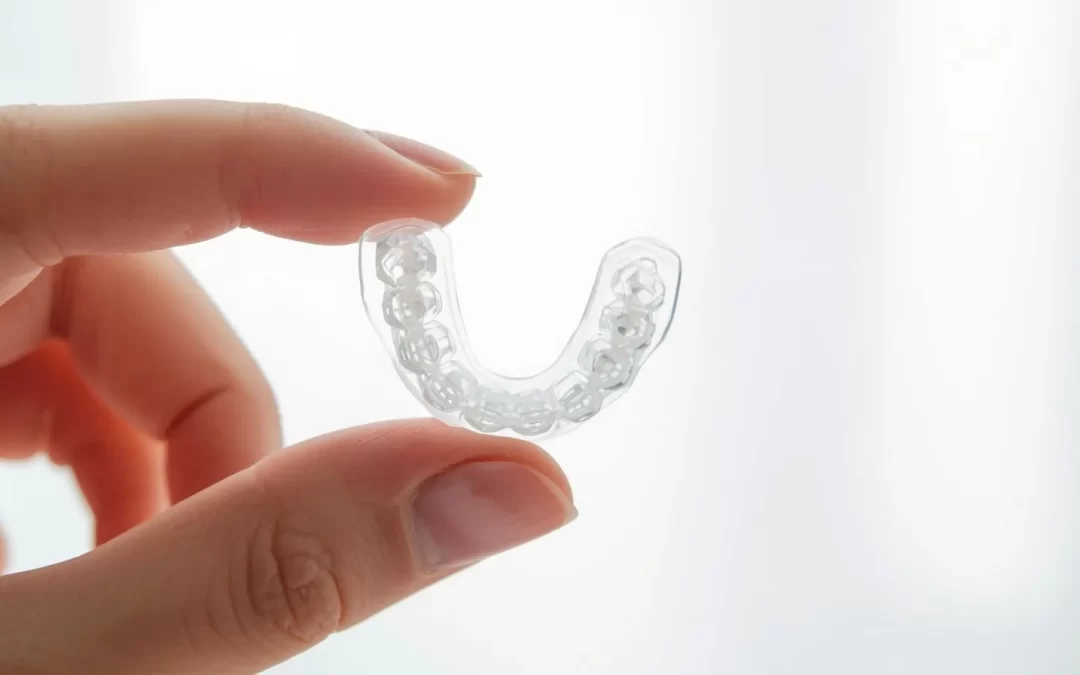
Many adults and teens want straighter teeth but feel unsure about getting traditional metal braces. Invisalign and other clear aligner systems promise a more discreet way to improve your smile. But is Invisalign worth it for you?
This article explains how Invisalign works, who it helps, what treatment feels like, how much it may cost, and how to decide if it is the right choice for your teeth and budget.
Table of Contents
- What Is Invisalign?
- Who Is Invisalign For?
- Signs You Might Benefit From Invisalign
- What to Expect During Invisalign Treatment
- Cost and Insurance Considerations
- Risks, Limitations, and Common Problems
- Recovery, Comfort, and Daily Life With Invisalign
- When to See a Dentist or Orthodontist
- Summary: Is Invisalign Worth It?
- Frequently Asked Questions
What Is Invisalign?
Invisalign is a brand of clear, removable plastic trays called aligners. These aligners gently move your teeth into better positions over time. Instead of metal brackets and wires, you wear a series of custom-made trays that fit snugly over your teeth.
Each set of aligners is worn for about 1-2 weeks, then you switch to the next set. Over several months, your teeth slowly shift into a straighter, more balanced smile.
Clear aligners like Invisalign can treat many of the same issues as braces, including:
- Crooked or rotated teeth
- Gaps between teeth
- Mild to moderate crowding (teeth overlapping or too close together)
- Overbite (upper teeth stick out too far)
- Underbite (lower teeth stick out too far)
- Crossbite (some upper teeth bite inside the lower teeth)
The main reasons people consider Invisalign instead of braces are appearance, comfort, and convenience. The trays are clear and usually hard to see in everyday conversation.
Who Is Invisalign For?
Invisalign is often a good choice for:
- Adults and older teens who want a more discreet option than metal braces.
- People with mild to moderate alignment problems that do not require very complex tooth movements.
- Patients who can follow instructions well, including wearing aligners 20-22 hours per day.
- People who want fewer food restrictions because aligners are removed for eating.
In some cases, traditional braces may be better, especially for very severe crowding, large jaw problems, or teeth that need to be moved in more complicated ways. A dentist or orthodontist can tell you if you are a good candidate.
Signs You Might Benefit From Invisalign
You may want to ask about Invisalign if you notice:
- Your teeth are crowded, overlapping, or hard to clean.
- You feel self-conscious about your smile in photos or at work.
- Your bite feels “off,” or certain teeth hit too hard when you bite down.
- You have jaw discomfort or uneven wear on some teeth.
- Food often gets stuck between crooked teeth.
These issues are not just cosmetic. Crowded or misaligned teeth can be harder to brush and floss, which may increase your risk of cavities and gum disease over time. For many people, this health benefit is a big part of why Invisalign is worth it.
What to Expect During Invisalign Treatment
Step 1: Consultation and Evaluation
Your first visit usually includes:
- A full exam of your teeth and gums.
- Dental X-rays and photos.
- Digital scans or impressions (molds) of your teeth.
- A discussion about your goals, budget, and timeline.
The dentist or orthodontist will decide if Invisalign or another clear aligner system can safely correct your bite and alignment. If not, they may recommend braces or other treatments.
Step 2: Custom Treatment Plan
Using your scans, the Invisalign software creates a 3D model of your teeth and shows how they will move over time. You may be able to see a preview of your expected final smile.
Your provider will review:
- How long treatment is likely to take (often 6-18 months).
- How many aligner sets you will need.
- Whether you will need small “attachments” (tiny tooth-colored bumps) to help the aligners grip and move teeth.
Step 3: Getting Your First Aligners
Once your aligners are made, you return to have them fitted. At this visit, you can expect:
- Placement of attachments, if needed. These are bonded to your teeth and removed at the end of treatment.
- Instructions on how to insert and remove your aligners.
- Guidance on cleaning and storing them.
You will usually receive several sets of aligners at once, each labeled in order.
Step 4: Daily Wear and Follow-Up Visits
For Invisalign to work, you must wear your aligners:
- 20-22 hours per day, removing them only to eat, drink anything other than water, brush, and floss.
- Usually 1-2 weeks per set, as directed by your provider.
You will have check-up visits every 6-10 weeks to make sure your teeth are moving as planned and to receive your next sets of aligners.
Step 5: Finishing Treatment and Retainers
When your teeth reach the planned positions, treatment is not completely over. To keep your new smile in place, you will need retainers.
Most patients wear retainers:
- Full-time at first (often a few months).
- Then at night only, long-term.
Skipping retainers can cause teeth to shift back, which may undo much of the progress you made.
Cost and Insurance Considerations
One of the biggest questions is whether Invisalign is worth the cost compared to braces.
Typical Cost Ranges
Costs vary by location, how complex your case is, and your provider’s fees. In general, in the United States:
- Mild cases: around $2,000-$3,500
- Moderate cases: around $3,500-$5,500
- More complex cases: up to about $6,000-$8,000
These are typical ranges, not guaranteed prices. Some offices may be higher or lower.
Insurance Coverage
Many dental insurance plans that cover orthodontic treatment will also cover Invisalign or other clear aligners, especially for teens and sometimes for adults.
Important points to check with your insurance company:
- Is adult orthodontic treatment covered, or only children/teens?
- Is Invisalign covered at the same rate as braces?
- What is the lifetime maximum for orthodontic benefits (often $1,000-$2,500)?
- Do you need pre-authorization before starting treatment?
Payment Options
Most dental offices offer ways to make Invisalign more affordable, such as:
- Monthly payment plans or in-house financing.
- Third-party financing companies.
- Discounts for paying in full upfront.
- Using a Health Savings Account (HSA) or Flexible Spending Account (FSA).
When deciding if Invisalign is worth it, consider both the financial cost and the long-term benefits to your confidence and oral health.
Risks, Limitations, and Common Problems
Invisalign is generally safe when supervised by a licensed dentist or orthodontist. Still, there are some risks and limitations.
Common Side Effects
- Soreness or pressure for a few days when you switch to a new aligner.
- Temporary lisp as your tongue adjusts to the trays.
- Dry mouth if you do not drink enough water.
- Minor irritation of the cheeks or tongue from the edges of the aligners.
These usually improve as you get used to wearing the trays.
Risks If Not Used Properly
- Poor results if you do not wear the aligners enough hours per day.
- Tooth decay or gum problems if you do not brush and floss well before putting aligners back in.
- Staining of teeth or attachments if you drink coffee, tea, or soda with aligners in.
When Invisalign May Not Be the Best Choice
- Very severe crowding or large jaw alignment issues.
- Patients who know they will struggle to wear aligners consistently.
- People who frequently lose or damage dental appliances.
In these cases, traditional braces or other orthodontic treatments may be more effective and predictable.
Recovery, Comfort, and Daily Life With Invisalign
There is no “recovery time” like surgery, but there is an adjustment period.
First Few Days With New Aligners
Expect:
- Mild to moderate pressure on your teeth.
- Slight changes in speech, usually improving within a few days.
- Needing to practice taking aligners in and out.
Over-the-counter pain relievers (like ibuprofen or acetaminophen) can help with soreness, if your doctor says they are safe for you.
Eating and Drinking
- Remove aligners for all meals and snacks.
- Only drink water with aligners in.
- Brush or at least rinse your mouth before putting aligners back in to avoid trapping food and sugar against your teeth.
Oral Hygiene
- Brush at least twice a day and floss once a day.
- Clean aligners daily with a soft toothbrush and clear, mild soap or recommended cleaner.
- Avoid hot water, which can warp the plastic.
When to See a Dentist or Orthodontist
You should schedule a consultation if you are thinking about Invisalign and:
- You are unhappy with how your teeth look or fit together.
- You have trouble cleaning between crowded teeth.
- You are considering mail-order aligners and want a professional opinion first.
Seek prompt dental care during Invisalign treatment if you notice:
- Severe or worsening tooth pain.
- Swelling, bleeding, or signs of infection in your gums.
- A broken tooth, loose tooth, or trauma to your mouth.
- Aligners that suddenly do not fit at all or cause strong pain in one area.
These may be signs of a problem that needs quick attention.
Summary: Is Invisalign Worth It?
Invisalign can be worth it for many patients who want a straighter smile without the look of metal braces. It offers clear, removable aligners, fewer food limits, and often a more comfortable experience.
However, it requires commitment. You must wear the aligners most of the day, keep your teeth very clean, and follow your dentist’s instructions. For some complex cases, traditional braces may still be the better option.
The best way to know if Invisalign is worth it for you is to have a personalized evaluation with a dental professional who can review your teeth, your goals, and your budget.
Frequently Asked Questions
How long does Invisalign treatment usually take?
Most Invisalign treatments last between 6 and 18 months. Mild cases may finish sooner, while more complex cases can take longer. Your dentist or orthodontist will give you an estimated timeline after your exam and digital scans.
Is Invisalign more expensive than braces?
In many cases, Invisalign costs about the same as traditional braces, but this depends on your location and how complex your case is. Sometimes Invisalign is slightly more expensive. Insurance coverage and payment plans can help manage the cost.
Does Invisalign hurt?
Invisalign is usually less painful than braces, but you will feel pressure or mild soreness, especially when switching to a new set of aligners. This is a sign that your teeth are moving. Discomfort typically improves within a few days.
Can I use Invisalign if I have crowns, veneers, or missing teeth?
Often, yes. Many patients with crowns or veneers can still use Invisalign, but your dentist will need to evaluate your specific situation. Missing teeth may require special planning or additional treatments, such as implants or bridges, before or after Invisalign.
What happens if I do not wear my aligners enough?
If you do not wear your aligners 20-22 hours per day, your teeth may not move as planned. Aligners may stop fitting properly, treatment can take longer, and results may not be as good. In some cases, your dentist may need to reorder new trays and adjust your plan.
Are mail-order clear aligners the same as Invisalign?
No. Mail-order aligners are usually done without in-person exams or regular checkups, which can increase the risk of problems being missed. Invisalign and similar in-office systems include direct supervision by a dentist or orthodontist, which is safer and more predictable for most patients.
Thinking about Invisalign or other orthodontic options is an important step toward a healthier, more confident smile. If you are unsure whether Invisalign is worth it for your situation, schedule a consultation with a dental professional to review your options, costs, and expected results so you can make an informed decision about your oral health.