
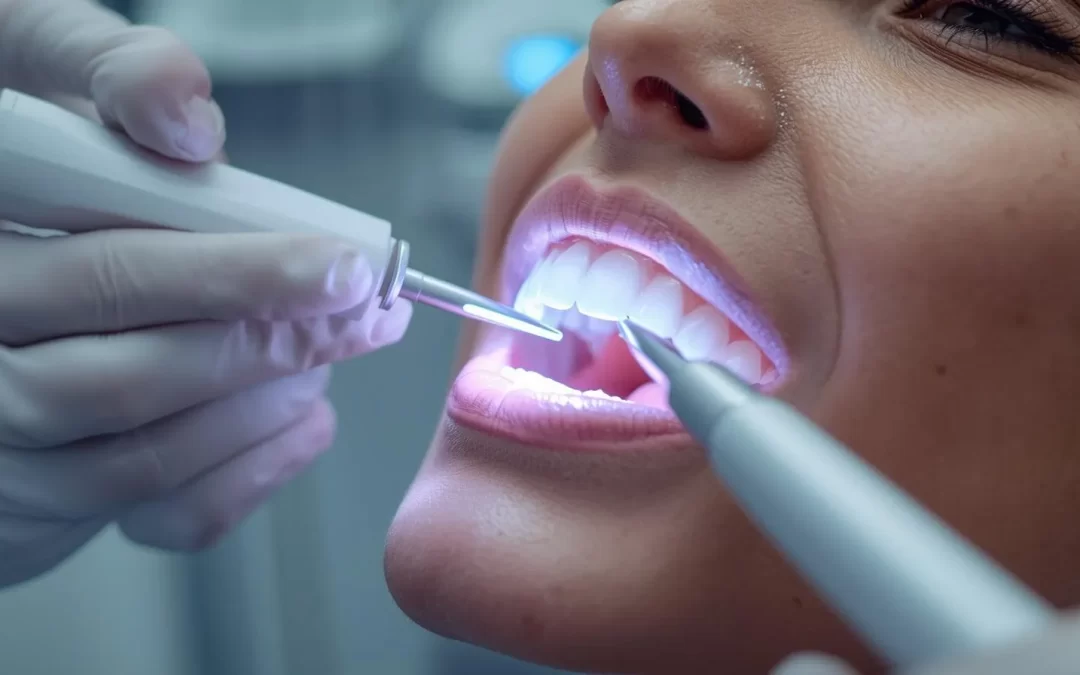
Teeth whitening is one of the most popular cosmetic dental treatments because it can quickly improve the look of your smile. Many people wonder whether in-office teeth whitening at the dentist is worth the higher cost compared to at-home whitening kits. Understanding the differences in price, results, safety, and convenience can help you choose the best option for your needs and budget.
Table of Contents
- What Is Teeth Whitening?
- Why Do Teeth Change Color?
- Types of Teeth Whitening: In-Office vs At-Home
- What to Expect with In-Office Teeth Whitening
- What to Expect with At-Home Teeth Whitening
- Teeth Whitening Cost: In-Office vs At-Home
- Insurance and Payment Considerations
- Risks, Side Effects, and Safety Tips
- When to See a Dentist About Teeth Whitening
- Summary
- Frequently Asked Questions
1. What Is Teeth Whitening?
Teeth whitening is a cosmetic dental treatment that lightens the color of your teeth. It uses special whitening gels to break down stains and discoloration on the outer surface of the tooth (enamel) and sometimes slightly deeper layers.
Most professional whitening products use a form of hydrogen peroxide or carbamide peroxide. These ingredients release oxygen, which helps lift stains and make teeth look brighter and whiter.
2. Why Do Teeth Change Color?
Teeth can become darker or yellow for many reasons. Understanding the cause can help you decide if whitening will work for you.
- Food and drinks: Coffee, tea, red wine, soda, and dark berries can stain teeth over time.
- Tobacco use: Smoking or chewing tobacco often causes yellow or brown stains.
- Aging: As we age, enamel thins and the inner layer of the tooth (dentin) can show through, making teeth look darker.
- Medications: Some antibiotics taken in childhood and certain medications can cause internal tooth discoloration.
- Trauma or injury: A hit to a tooth can cause it to darken from the inside.
- Poor oral hygiene: Plaque and tartar buildup can make teeth look yellow or brown.
Surface stains from foods, drinks, and smoking usually respond well to whitening. Dark discoloration from trauma or certain medications may not improve as much and may need other cosmetic options, such as veneers or bonding.
3. Types of Teeth Whitening: In-Office vs At-Home
There are two main ways to whiten your teeth: in-office whitening at a dental office and at-home whitening. Both can be effective, but they differ in cost, speed, and level of professional supervision.
In-Office Teeth Whitening
In-office whitening is done by a dentist or dental professional in a dental office. It uses stronger whitening gels and sometimes special lights or lasers to speed up the process. This option usually gives the fastest and most noticeable results.
At-Home Teeth Whitening
At-home whitening includes several options:
- Custom trays from your dentist: Your dentist makes custom-fitted trays and gives you professional-strength whitening gel to use at home.
- Over-the-counter (OTC) kits: Whitening strips, trays, pens, and LED light kits you can buy at a store or online.
- Whitening toothpaste and mouthwash: These can help remove surface stains but usually do not change the natural color of your teeth very much.
4. What to Expect with In-Office Teeth Whitening
Knowing what happens during an in-office whitening visit can help you feel more comfortable and prepared.
Step-by-Step: In-Office Whitening Visit
- Step 1: Exam and shade check
- Your dentist will examine your teeth and gums to make sure whitening is safe for you.
- Step 2: Cleaning
- Your teeth may be polished to remove surface plaque and debris so the whitening gel works better.
- Step 3: Protection
- Your lips and cheeks are held away from your teeth with a soft retractor.
- Your gums are covered with a protective gel or barrier to prevent irritation.
- Step 4: Applying the whitening gel
- The dentist applies a professional-strength whitening gel to the front surfaces of your teeth.
- Some systems use a special light or laser to activate the gel.
- Step 5: Waiting period
- You relax in the chair while the gel works, usually 15-20 minutes per session.
- The gel may be removed and reapplied several times in one visit.
- Step 6: Rinse and results check
- The gel is rinsed off, and your dentist checks the final shade.
- You may see results of several shades lighter after one appointment.
Most in-office whitening appointments take about 60-90 minutes. Some people need more than one visit for the best results, especially if their teeth are very stained.
5. What to Expect with At-Home Teeth Whitening
Custom Trays from Your Dentist
Custom trays offer a middle ground between in-office and store-bought kits.
- Visit 1: Your dentist takes molds or digital scans of your teeth to make thin, clear trays that fit your mouth.
- Visit 2: You receive your trays and whitening gel, plus instructions on how long and how often to wear them (often 30 minutes to a few hours a day, or overnight, for 1-2 weeks).
- At home: You place a small amount of gel in each tray, wear them as directed, then rinse your mouth and clean the trays.
Over-the-Counter Whitening Kits
OTC kits are the most affordable and convenient option, but they are also the least supervised.
- Whitening strips: Thin strips coated with whitening gel that you place on your teeth for 30-60 minutes daily for 1-2 weeks.
- Whitening pens: A brush-on gel you apply directly to teeth.
- Boil-and-bite trays or LED kits: Generic trays or mouthpieces with lower-strength gel.
Results from at-home whitening are usually more gradual and may not be as dramatic as in-office treatments, but many people are satisfied with the improvement.
6. Teeth Whitening Cost: In-Office vs At-Home
Teeth whitening cost can vary widely based on where you live, the type of treatment, and your specific dental needs. The ranges below are general estimates and are not guaranteed prices.
Average Cost of In-Office Teeth Whitening
- In-office professional whitening: About $400-$1,500 per visit
The cost depends on:
- The brand or system used (for example, well-known laser or light-activated systems often cost more).
- How many sessions you need.
- Your dentist’s experience and your local market.
Although in-office whitening has a higher upfront cost, it offers:
- Fast, same-day results.
- Professional supervision and safety measures.
- Stronger whitening gels that are not available over the counter.
Average Cost of At-Home Teeth Whitening
- Custom trays from a dentist: About $200-$500 for trays and initial gel.
- Refill whitening gel from a dentist: About $20-$60 per syringe or kit.
- Over-the-counter whitening strips or kits: About $20-$150 per kit.
- Whitening toothpaste and mouthwash: About $5-$20, but limited whitening effect.
At-home options are more budget-friendly, especially OTC products. However, they usually:
- Take longer to show results.
- May not whiten as many shades as in-office treatments.
- Offer less customization and supervision.
Which Option Gives the Best Value?
Value depends on your goals:
- If you want fast, dramatic results for a wedding, job interview, or special event, in-office whitening may be worth the higher cost.
- If you prefer gradual change and lower cost, custom trays or OTC kits may be a better fit.
- Some patients combine both: They start with in-office whitening, then maintain the results with custom trays or OTC products at home.
7. Insurance and Payment Considerations
Most dental insurance plans consider teeth whitening a cosmetic procedure. This means it is usually not covered by insurance.
However, you may have options to help manage the cost:
- Dental discount plans: Some offices offer membership or discount programs that reduce the cost of cosmetic treatments.
- Payment plans: Many dental offices offer financing or monthly payment options for larger treatments.
- Health savings accounts (HSA) or flexible spending accounts (FSA): In some cases, you may be able to use pre-tax dollars, but rules vary, so check with your plan administrator.
Before starting treatment, ask your dental office for a written estimate. This can help you compare the cost of in-office whitening vs at-home options and plan your budget.
8. Risks, Side Effects, and Safety Tips
Teeth whitening is generally safe when done under a dentist’s guidance, but some side effects can occur.
Common Side Effects
- Tooth sensitivity: You may feel a short, sharp pain with cold or hot foods and drinks. This usually fades within a few days.
- Gum irritation: Whitening gel that touches the gums can cause temporary redness or soreness.
- Uneven color: Teeth with existing fillings, crowns, or veneers will not whiten, which can lead to color differences.
Safety Tips
- Always have a dental exam before starting whitening, especially if you have cavities, gum disease, or sensitive teeth.
- Follow the directions exactly. Do not leave whitening products on longer than recommended.
- Do not use whitening products if you have open cavities, cracked teeth, or active gum infections until these are treated.
- Avoid overusing OTC kits. Too much whitening can damage enamel and increase sensitivity.
- Tell your dentist if you are pregnant or breastfeeding before starting whitening.
9. When to See a Dentist About Teeth Whitening
It is a good idea to see a dentist before any whitening treatment, especially if:
- You have tooth pain, sensitivity, or visible cavities.
- Your gums bleed when you brush or floss.
- You have crowns, veneers, or large fillings on your front teeth.
- You have very dark or gray discoloration from trauma or medications.
When Whitening Needs Immediate Dental Attention
Stop whitening and contact a dentist promptly if:
- You develop severe, ongoing tooth pain.
- Your gums become very swollen, blistered, or bleed heavily.
- You notice a cracked tooth or broken filling after whitening.
These may be signs of an underlying problem that needs professional care, not just cosmetic treatment.
10. Summary
Teeth whitening can significantly improve your smile, but costs and results vary. In-office teeth whitening usually costs more ($400-$1,500) but offers fast, noticeable results under professional supervision. At-home options, including custom trays and over-the-counter kits, are more affordable ($20-$500) and provide gradual whitening over time.
The best choice depends on your budget, timeline, and dental health. A quick consultation with a dentist can help you understand which option is safest and most effective for your specific situation.
11. Frequently Asked Questions
1. How long do teeth whitening results last?
Results can last from several months up to 2-3 years, depending on your habits. Drinking coffee, tea, or red wine, and smoking can cause stains to return faster. Regular dental cleanings, good brushing and flossing, and occasional touch-up whitening can help maintain your results.
2. Is in-office teeth whitening worth the higher cost?
For many people, yes. In-office whitening provides quick, dramatic results in a single visit, with professional monitoring for safety. If you are on a tight budget or prefer gradual change, at-home whitening may be a better value. Your dentist can help you weigh the benefits and costs for your situation.
3. Will teeth whitening work on crowns, veneers, or fillings?
No. Whitening gels only work on natural tooth enamel. Crowns, veneers, and tooth-colored fillings will not change color. If you have these on your front teeth, your dentist may suggest whitening first, then replacing restorations to match the new shade if needed.
4. Is teeth whitening safe for sensitive teeth?
It can be, but extra care is needed. Your dentist may recommend a lower-strength gel, shorter wear times, or using a sensitivity toothpaste before and after whitening. In-office treatments can also be adjusted to reduce discomfort. Always tell your dentist if you have sensitive teeth before starting.
5. How old do you have to be to get teeth whitening?
Most dentists recommend waiting until at least age 16, and often later, because the teeth and gums are still developing in younger teens. A dentist should always evaluate teenagers before any whitening treatment.
6. How can I keep my teeth white after treatment?
Limit dark-colored drinks, or use a straw when possible. Rinse your mouth with water after coffee, tea, or red wine. Do not smoke or use tobacco. Brush twice a day, floss daily, and see your dentist regularly for cleanings. Your dentist may also suggest occasional touch-up whitening with custom trays or mild at-home products.
Whiter teeth can boost your confidence and help you feel better about your smile. If you are thinking about in-office or at-home teeth whitening, schedule a consultation with a dental professional to discuss your goals, review costs, and choose the safest, most effective option for you. Taking this step is a simple way to protect your oral health and enhance your smile at the same time.