
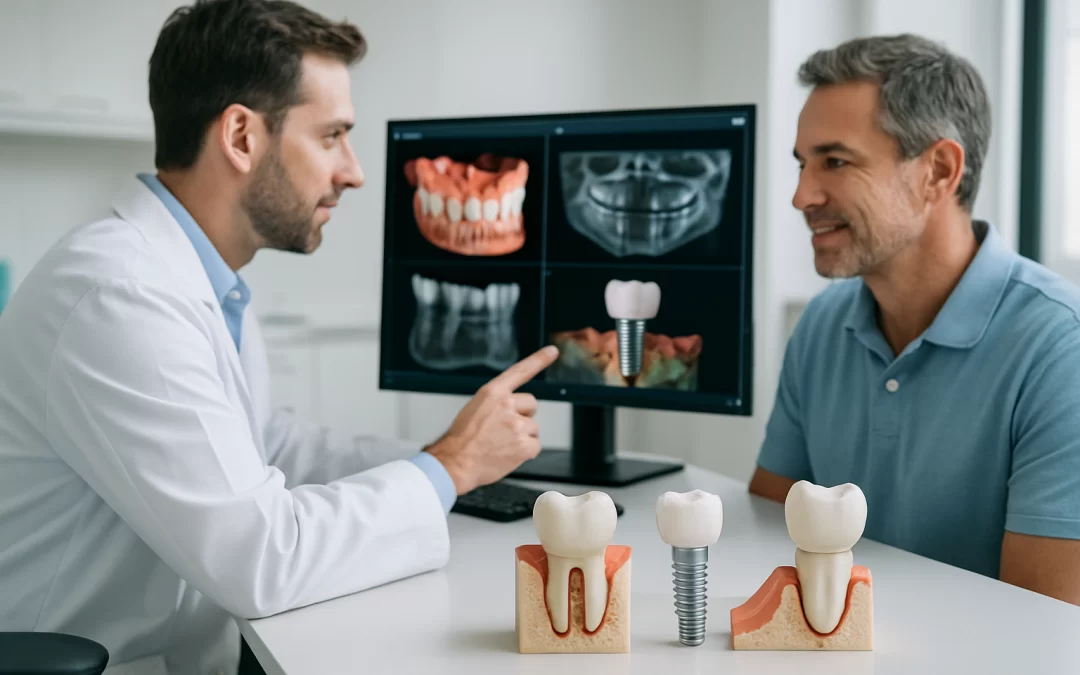
Tooth Implant Process: Step-by-Step Timeline, Procedure Stages, Recovery, and What to Expect From Consultation to Final Crown
The tooth implant process usually takes several months and happens in stages: consultation and planning, implant placement, healing and bone integration, abutment placement, and finally the custom crown. Most patients can work and live normally during treatment, with only a few days of soreness after each surgical step. The full timeline can range from 3 to 9 months depending on your healing, bone quality, and whether you need bone grafting or extractions. Not everyone is a candidate for implants, so a thorough exam and imaging are essential before treatment begins.
Dental implants are a long-term way to replace missing teeth, but the process can feel confusing if you do not know what to expect. This guide walks you through each step in simple language, from your first consultation to the day you receive your final crown. It is designed for patients and families who want clear, honest information before deciding on treatment.
Table of Contents
- What Is the Tooth Implant Process?
- Who Is a Candidate for a Tooth Implant?
- Step-by-Step Tooth Implant Process and Timeline
- What to Expect: Pain, Healing, and Daily Life
- Tooth Implant Cost Breakdown
- Insurance Coverage for Tooth Implants
- Risks and Limitations of Tooth Implants
- Prevention and Long-Term Care of Your Implant
- When to See a Dentist About Implants
- Frequently Asked Questions
- Summary and Next Steps
What Is the Tooth Implant Process?
A tooth implant is a small titanium or zirconia post that is placed into the jawbone to act as an artificial tooth root. After it fuses with the bone, a connector piece (abutment) and a custom-made crown are attached to create a natural-looking replacement tooth.
The tooth implant process is the series of appointments and healing stages needed to go from a missing or failing tooth to a stable, permanent replacement. It is usually done by a team that may include a general dentist, oral surgeon, or periodontist.
Key stages of the tooth implant process
- Evaluation and treatment planning
- Tooth extraction (if needed)
- Bone grafting (if needed)
- Implant placement surgery
- Healing and bone integration (osseointegration)
- Abutment placement
- Final crown placement and bite adjustment
Who Is a Candidate for a Tooth Implant?
Most healthy adults with missing teeth and enough jawbone are potential candidates for dental implants. Your dentist will evaluate your mouth, medical history, and lifestyle to decide if implants are appropriate and safe for you.
Good candidates typically:
- Have one or more missing or failing teeth
- Have healthy gums and no uncontrolled gum disease
- Have enough jawbone, or are willing to have bone grafting if needed
- Do not smoke, or are willing to reduce or stop smoking during healing
- Do not have uncontrolled medical conditions such as uncontrolled diabetes
Who may need extra planning or alternative options
- People with significant bone loss in the jaw
- Patients with a history of radiation therapy to the head or neck
- Those with autoimmune conditions or medications that affect bone healing
- Heavy smokers or people with poor oral hygiene habits
If you are not a candidate for a standard single tooth implant, your dentist may discuss other options such as different types of dental implants or non-implant solutions.
Step-by-Step Tooth Implant Process and Timeline
The exact sequence can vary, but most single tooth implant treatments follow a similar pattern. Below is a typical timeline from consultation to final crown.
Step 1: Initial consultation and exam (Week 0)
At your first visit, the dentist will:
- Review your medical and dental history
- Ask about your goals, concerns, and budget
- Examine your teeth, gums, and bite
- Take X-rays and often a 3D scan (CBCT) to assess bone
They will explain whether an implant is suitable, discuss alternatives, and outline a treatment plan, including estimated costs and timeframes.
Step 2: Treatment planning and pre-treatment (1–4 weeks)
After your exam, the dentist will finalize your plan. This may include:
- Scheduling tooth extraction if the tooth is still present
- Planning bone grafting if your jawbone is thin or soft
- Coordinating with your physician if you have medical conditions
- Taking impressions or digital scans of your teeth
In some cases, the dentist can extract the tooth and place the implant in the same visit; in others, healing time is needed between steps.
Step 3: Tooth extraction (if needed) (Day 0, then 4–12 weeks healing)
If the damaged tooth is still in place, it must be removed. This is usually done with local anesthesia so you are numb but awake.
- Simple extractions are often quick and cause mild soreness for a few days.
- More complex extractions (such as broken or infected teeth) may need more healing time.
- Sometimes a small bone graft is placed in the socket to preserve bone for a future implant.
Healing after extraction typically takes 4–12 weeks before an implant can be placed, depending on the situation.
Step 4: Bone grafting (if needed) (Adds 3–6+ months)
If your jawbone is too thin, soft, or has shrunk after tooth loss, a bone graft may be recommended. This helps create a strong base for the implant.
- Bone graft material can come from your own body, a donor source, or synthetic materials.
- The procedure is usually done under local anesthesia, sometimes with sedation.
- Healing and integration of the graft can take 3–6 months or longer before placing the implant.
Step 5: Dental implant placement surgery (Day 0, then 3–6 months healing)
During implant placement, the dentist or surgeon:
- Numbs the area with local anesthesia (sedation may be offered if needed)
- Makes a small opening in the gum to access the bone
- Creates a precise channel in the bone and inserts the implant post
- Places a small cover screw or healing cap on the implant
- Closes the gum with stitches, if needed
The surgery usually takes 30–90 minutes for a single implant. Most patients report pressure and vibration, but not sharp pain during the procedure.
Step 6: Osseointegration (bone healing around the implant) (3–6 months)
After placement, the implant needs time to fuse with the jawbone in a process called osseointegration. This is what makes the implant stable and long-lasting.
- This healing phase usually takes 3–6 months.
- You may wear a temporary tooth or partial denture for appearance during this time.
- Regular checkups ensure the implant is healing properly and the gums stay healthy.
Step 7: Abutment placement (1 short visit, 2–4 weeks gum healing)
Once the implant is firmly integrated, the dentist attaches an abutment, which is the connector between the implant and the crown.
- The gum is opened slightly to expose the implant.
- The healing cap is removed and the abutment is screwed into place.
- A small collar of gum tissue heals around the abutment over 2–4 weeks.
Sometimes the abutment can be placed at the same time as the implant, reducing the number of surgeries.
Step 8: Final crown design and placement (2–4 weeks)
After the gums heal around the abutment, the dentist will:
- Take impressions or digital scans of your teeth and implant
- Work with a dental lab to design a custom crown that matches your bite and shade
- Try in the crown, make any needed adjustments, and then permanently attach it
The final crown is usually made of porcelain or ceramic fused to metal, or all-ceramic, and is designed to look and function like a natural tooth.
Typical overall timeline
- Simple case without grafting: 3–6 months from implant placement to final crown
- Case with extraction and grafting: 6–9+ months total
For a more focused overview of a single missing tooth, you can review the dedicated guide on the single tooth implant procedure, cost, and recovery.
What to Expect: Pain, Healing, and Daily Life
Most patients are surprised that the tooth implant process is more comfortable than they expected. Discomfort is usually mild to moderate and short-lived after each surgical step.
Pain and discomfort
- Local anesthesia keeps you numb during surgery, so you should not feel sharp pain.
- After the numbness wears off, you may feel soreness, swelling, or bruising for a few days.
- Over-the-counter pain relievers are often enough; your dentist may prescribe stronger medication if needed.
If you are anxious about pain, it may help to read more about how painful dental implants are and what to expect.
Eating and speaking
- Right after surgery, you will likely be advised to eat soft, cool foods and avoid chewing on the implant side.
- Most people return to a normal diet gradually over several days to weeks, depending on comfort.
- Speech is usually not affected long-term; any temporary changes often resolve quickly.
Work and daily activities
- Many patients return to work the next day or within a few days after implant placement.
- You may be advised to avoid strenuous exercise for a short time to reduce bleeding and swelling.
- Good sleep, hydration, and not smoking support faster healing.
Follow-up visits
- Short checkups are scheduled to monitor healing and remove stitches if needed.
- Regular cleanings and exams help protect both your implant and natural teeth.
Tooth Implant Cost Breakdown
The cost of a tooth implant can vary widely based on your location, the dentist’s experience, the need for grafting, and the type of materials used. It is helpful to understand the typical components of the fee.
Typical cost range for a single tooth implant (per tooth)
- Implant post (surgery and parts): approximately $1,500–$3,000
- Abutment: approximately $300–$800
- Crown: approximately $1,000–$2,000
Estimated total per tooth: about $2,800–$5,800 or more, depending on complexity.
Additional possible costs
- Tooth extraction: $150–$600 per tooth (simple vs. surgical)
- Bone grafting: $300–$3,000+ depending on size and type
- 3D imaging (CBCT scan): $150–$500
- Temporary tooth or partial denture: varies by design and materials
For a deeper breakdown of what affects pricing and total treatment costs, you can review the guide on dental implants cost per tooth.
Factors that affect cost
- Number of implants needed
- Need for extra procedures (grafts, sinus lifts, extractions)
- Type and brand of implant system used
- Type of crown material (porcelain, zirconia, etc.)
- Geographic area and provider’s training and experience
Insurance Coverage for Tooth Implants
Insurance coverage for dental implants varies widely between plans. Some plans still consider implants a “major” or elective procedure, while others now cover part of the cost.
How insurance may help
- Some dental plans cover a portion of the implant crown or abutment, but not the implant post.
- Others may cover extractions, bone grafts, or temporary teeth as separate benefits.
- Medical insurance may help in rare cases, such as trauma or certain medical conditions, but this is not common.
What you can do
- Ask your dental office to send a pre-treatment estimate to your insurance.
- Review annual maximums, waiting periods, and exclusions in your policy.
- Discuss payment plans, financing, or phased treatment options with your dentist.
Risks and Limitations of Tooth Implants
Dental implants have a high success rate, but like any surgery, they carry some risks and limitations. Understanding these helps you make an informed decision.
Possible risks and complications
- Infection at the implant site
- Delayed healing or failure of the implant to fuse with bone
- Nerve irritation causing temporary or, rarely, long-term numbness or tingling
- Sinus issues for implants placed in the upper back jaw
- Gum recession or aesthetic concerns around the implant
Factors that can increase risk
- Smoking or vaping, especially during healing
- Poor oral hygiene or untreated gum disease
- Uncontrolled diabetes or other systemic health issues
- Grinding or clenching teeth (bruxism) without protection
Limitations to keep in mind
- The process takes time; it is not an instant replacement.
- Upfront costs are higher than some other options, such as removable dentures.
- Not everyone has enough bone or health stability for implants without additional procedures.
Prevention and Long-Term Care of Your Implant
Once your implant and crown are in place, good daily care and regular dental visits are essential to keep them healthy for the long term.
Daily home care
- Brush twice a day with a soft toothbrush and fluoride toothpaste.
- Clean between teeth and around the implant daily using floss, interdental brushes, or water flossers as recommended.
- Avoid using your teeth to open packages or bite very hard objects like ice.
Professional care
- Visit your dentist regularly for cleanings and checkups, usually every 6 months or as advised.
- Tell your hygienist you have an implant so they can use appropriate tools and techniques.
- If you grind your teeth at night, ask about a night guard to protect your implant and natural teeth.
Protecting your investment
- Do not smoke, or seek help to quit, as smoking increases the risk of implant problems.
- Address any gum bleeding, swelling, or discomfort early before it becomes serious.
- Maintain a healthy diet and manage medical conditions like diabetes to support oral health.
When to See a Dentist About Implants
If you are missing a tooth or have a tooth that may need to be removed, it is wise to talk to a dentist sooner rather than later. Bone loss begins soon after tooth loss, which can make implant placement more complex over time.
Consider a consultation if you:
- Have one or more missing teeth and want a long-term replacement
- Have a broken, cracked, or severely decayed tooth that may not be restorable
- Struggle with loose or uncomfortable dentures and want a more stable option
- Notice changes in your bite, chewing, or smile after losing a tooth
Seek prompt care if you:
- Have severe tooth pain, swelling, or signs of infection
- Notice pus, bad taste, or fever along with dental symptoms
- Experience trauma to your face or jaw that affects your teeth
Early evaluation allows more options and often simpler treatment, whether you choose an implant or another solution.
Frequently Asked Questions
How long does the tooth implant process take from start to finish?
For a straightforward case without bone grafting, the process from implant placement to final crown usually takes about 3–6 months. If you need extractions, bone grafts, or have complex healing, the total timeline can extend to 6–9 months or longer. Your dentist will give you a more precise estimate based on your situation.
Is getting a tooth implant painful?
During the procedure, local anesthesia keeps the area numb so you should not feel sharp pain, though you may feel pressure or vibration. After surgery, most patients experience mild to moderate soreness and swelling for a few days, which is usually managed with over-the-counter pain relievers. Severe or long-lasting pain is not typical and should be reported to your dentist.
How long do dental implants last?
With good care, the implant post itself can often last many years, and many patients keep their implants for decades. The crown on top may eventually need replacement due to normal wear, similar to other dental restorations. Regular checkups, good oral hygiene, and avoiding smoking help extend the life of your implant.
Can I get a tooth implant right after an extraction?
In some cases, an implant can be placed immediately after a tooth is removed, which can shorten the overall treatment time. This depends on factors like infection, bone quality, and the position of the tooth. Your dentist will decide if immediate placement is safe or if a healing period is better.
What are my options if I am not a candidate for a standard tooth implant?
If you are not a candidate for a traditional implant, your dentist may suggest other implant designs, bone grafting, or alternative tooth replacements such as bridges or dentures. In some complex cases, specialized implants or full-arch solutions may be considered. A thorough evaluation is needed to match the best option to your health and goals.
Are tooth implants better than dentures?
Implants generally provide better stability, chewing power, and bone preservation than removable dentures, and they often feel more like natural teeth. However, they require surgery, more time, and a higher upfront cost. The best choice depends on your oral health, budget, and personal preferences.
Summary and Next Steps
The tooth implant process is a multi-step journey that typically includes consultation, planning, possible extractions or grafting, implant placement, healing, and finally a custom crown. While it takes time, implants can offer a strong, natural-looking replacement that helps protect your jawbone and restore your smile.
If you are considering a tooth implant, the next step is to schedule a consultation with a qualified dentist or implant specialist. They can evaluate your mouth, explain your options, review costs and insurance, and design a plan that fits your health needs and goals. Early, informed planning gives you the best chance for a smooth process and a long-lasting result.

Dr. Carter is a dental content contributor who focuses on explaining dental procedures, costs, and treatment options in clear, patient-friendly terms. His work is designed to help readers understand what to expect and how to make informed decisions about their oral health.
Content on DentalServices.us is created for educational purposes and is based on current dental guidelines and publicly available information. It is not a substitute for professional dental advice, diagnosis, or treatment.