
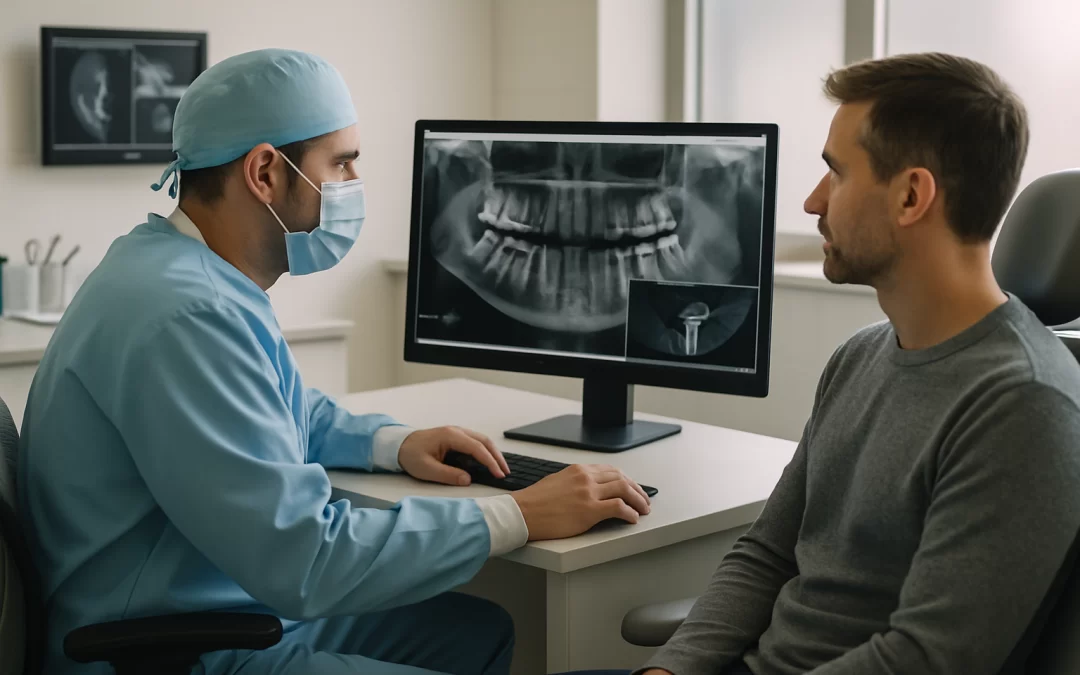
Direct answer: The 3 main types of dental implants are endosteal, subperiosteal, and zygomatic implants. Endosteal implants are the most common and are placed directly into the jawbone. Subperiosteal implants sit on top of the jawbone but under the gums, and zygomatic implants anchor into the cheekbone when the upper jaw has severe bone loss. Not everyone is a candidate for every type, so a thorough exam and 3D imaging are needed to decide which option is safest and most predictable for you.
Dental implants can be life-changing, but the different types can be confusing if you are just starting your research. This guide explains each of the 3 main types of dental implants in simple language so you can understand your options, what to expect, and when to talk with a dentist or specialist. It is written for patients, families, and anyone considering implants to replace missing or failing teeth.
Table of Contents
- What Are Dental Implants?
- Overview: The 3 Types of Dental Implants
- Endosteal Implants
- Subperiosteal Implants
- Zygomatic Implants
- Dental Implant Procedure Steps
- What to Expect: Pain, Healing, and Timeline
- Cost of Different Implant Types
- Insurance Coverage for Dental Implants
- Risks and Limitations of Each Implant Type
- Prevention and Long-Term Care
- When to See a Dentist About Implants
- Frequently Asked Questions
- Summary and Next Steps
What Are Dental Implants?
Dental implants are artificial tooth roots, usually made of titanium, that are placed in the jawbone to support replacement teeth. They can replace a single tooth, several teeth, or a full arch of teeth.
Over time, the implant fuses with the bone in a process called osseointegration. Once healed, a crown, bridge, or denture is attached to the implant to restore chewing, speaking, and appearance.
Dental implants are designed to be a long-term or even lifetime solution when properly planned and cared for. However, they require enough healthy bone, good oral hygiene, and regular dental visits to stay successful.
Overview: The 3 Types of Dental Implants
The three main types of dental implants are based on where and how they are anchored:
- Endosteal implants – Placed directly into the jawbone; most common and widely used type.
- Subperiosteal implants – Rest on top of the jawbone but under the gum tissue; used when bone is thin and bone grafting is not an option.
- Zygomatic implants – Longer implants anchored into the cheekbone (zygoma) instead of the upper jaw; used mainly for severe upper jaw bone loss.
Your dentist or oral surgeon will choose the type based on:
- How much bone you have and its quality
- Which teeth are missing (upper vs. lower, front vs. back)
- Your general health and medical conditions
- Whether you want fixed teeth or removable teeth
Endosteal Implants
What Are Endosteal Implants?
Endosteal implants are the standard and most commonly used type of dental implant. They are small screw-shaped posts placed directly into the jawbone where teeth are missing.
After healing, they can support:
- A single crown (for one missing tooth)
- A bridge (for several missing teeth in a row)
- A full arch of teeth using multiple implants
Who Are Endosteal Implants For?
Endosteal implants are usually recommended for patients who:
- Have enough healthy jawbone to hold the implant
- Do not have uncontrolled medical conditions that affect healing
- Are willing to maintain good oral hygiene and regular checkups
They are often used for single tooth replacement, which is explained in more detail in guides such as single tooth implant procedure, cost, and recovery.
Endosteal Implant Procedure Steps
Typical steps include:
- Consultation and imaging: Exam, X-rays, and often 3D scans to measure bone and plan placement.
- Implant placement surgery: The dentist or surgeon places the implant into the jawbone under local anesthesia (and sometimes sedation).
- Healing period: The bone fuses with the implant over 3–6 months in most cases.
- Abutment and crown: A connector (abutment) is attached, then a custom crown, bridge, or denture is placed.
What to Expect With Endosteal Implants
Most patients experience mild to moderate soreness and swelling for a few days after surgery. Over-the-counter pain medication is often enough, but your dentist may prescribe something stronger if needed.
The full process, from first visit to final crown, can take several months. For a deeper look at comfort and healing, see resources that explain how painful dental implants are and what to expect.
Cost of Endosteal Implants
Costs vary widely based on location, materials, and how many teeth are replaced. As a general range in the United States:
- Single endosteal implant with crown: Often around $3,000–$6,000 per tooth.
- Implant-supported bridge: Several thousand dollars more, depending on how many teeth are involved.
- Full arch on multiple implants: Can range from about $20,000–$45,000 or more per arch.
More detailed breakdowns are available in guides that explain dental implant cost per tooth and what affects pricing.
Advantages of Endosteal Implants
- Most researched and commonly used type
- High long-term success rates when properly planned
- Feel and function very similar to natural teeth
- Help preserve jawbone by stimulating it like natural tooth roots
Limitations of Endosteal Implants
- Require enough healthy bone; may need bone grafting if bone is thin
- Healing time can be several months before final teeth are placed
- Not ideal for patients who cannot undergo surgery or have certain uncontrolled medical conditions
Subperiosteal Implants
What Are Subperiosteal Implants?
Subperiosteal implants are metal frameworks that sit on top of the jawbone but underneath the gums. Small posts extend through the gum to hold replacement teeth.
They are less common today because bone grafting and other techniques allow more patients to receive endosteal implants. However, they can still be an option in specific cases.
Who Are Subperiosteal Implants For?
Subperiosteal implants may be considered for patients who:
- Have significant bone loss in the jaw
- Cannot or do not want to undergo bone grafting
- Need support for a denture but do not have enough bone for standard implants
Subperiosteal Implant Procedure Steps
The procedure usually involves:
- Imaging and impressions: 3D scans and impressions are taken to design a custom metal framework that fits the jawbone.
- Surgical placement: The gums are opened, the framework is placed on top of the bone, and the gums are closed around it with posts left exposed.
- Healing: The gums heal around the framework over several weeks.
- Attachment of teeth: A denture or bridge is attached to the posts.
What to Expect With Subperiosteal Implants
Recovery is similar to other oral surgeries, with swelling, mild bleeding, and soreness for a few days. Soft foods are usually recommended while the gums heal.
The total timeline from planning to final teeth may be shorter than some endosteal implant cases, but it depends on your specific situation.
Cost of Subperiosteal Implants
Subperiosteal implants are custom-made and can be more complex, so costs can be higher than standard implants in some cases. General ranges may include:
- Subperiosteal framework with attached denture: Often $15,000–$30,000 or more per arch, depending on design and materials.
Because they are less common, pricing can vary significantly between providers and regions.
Advantages of Subperiosteal Implants
- Can be used when there is not enough bone for endosteal implants
- May avoid or reduce the need for bone grafting
- Can provide better denture stability than traditional removable dentures alone
Limitations of Subperiosteal Implants
- Less commonly used today; fewer long-term studies compared to endosteal implants
- May have higher risk of gum irritation or infection around the framework
- Not suitable for all patients; careful planning and specialist care are essential
Zygomatic Implants
What Are Zygomatic Implants?
Zygomatic implants are extra-long implants that anchor into the cheekbone (zygoma) instead of the upper jawbone. The cheekbone is denser and often remains strong even when the upper jaw has severe bone loss.
They are usually used to support a full arch of upper teeth when standard implants are not possible without major bone grafting.
Who Are Zygomatic Implants For?
Zygomatic implants are typically reserved for patients who:
- Have severe bone loss in the upper jaw
- Have worn dentures for many years and lost significant bone
- Want fixed teeth but are not good candidates for extensive bone grafting or sinus lifts
Zygomatic Implant Procedure Steps
This is a more advanced procedure and is usually done by an experienced oral and maxillofacial surgeon or implant specialist. Steps often include:
- Detailed imaging: High-resolution 3D scans to map the cheekbone and surrounding structures.
- Surgical placement: Under sedation or general anesthesia, the surgeon places the long implants from inside the mouth into the cheekbone.
- Immediate or early loading: In many cases, a temporary fixed bridge is attached the same day or within a short time, so you are not left without teeth.
- Final bridge: After healing, a strong, custom final bridge is placed.
What to Expect With Zygomatic Implants
Because the surgery is more complex, you can expect more swelling and bruising than with a single standard implant. Pain is usually managed with prescribed medications and careful post-operative instructions.
Many patients appreciate that they can often receive fixed teeth much sooner, even in cases of severe bone loss. Recovery time varies, but most people return to normal daily activities within 1–2 weeks, with full healing over several months.
Cost of Zygomatic Implants
Zygomatic implant treatment is specialized and typically more expensive than standard implants. General ranges can include:
- Full upper arch with zygomatic implants: Often $25,000–$50,000 or more per arch, depending on the number of implants, type of bridge, and location.
These cases often include advanced imaging, sedation or anesthesia, and custom full-arch restorations, all of which affect cost.
Advantages of Zygomatic Implants
- Allow fixed teeth in patients with severe upper jaw bone loss
- Can often avoid major bone grafting or sinus lift surgeries
- Frequently allow immediate or early placement of a fixed temporary bridge
Limitations of Zygomatic Implants
- More complex surgery requiring a highly trained specialist
- Higher initial cost than standard implants
- Not available in every dental office; may require referral to a specialty center
Dental Implant Procedure Steps (All Types)
While details differ between endosteal, subperiosteal, and zygomatic implants, most implant treatments follow a similar overall path:
- 1. Consultation and evaluation
- Medical and dental history review
- Oral exam and X-rays
- 3D imaging (CBCT scan) for precise planning
- 2. Treatment planning
- Decision on implant type and number
- Discussion of options (fixed vs. removable teeth, materials, timeline)
- Cost estimate and review of payment and insurance options
- 3. Preparatory procedures (if needed)
- Tooth extractions
- Bone grafting or sinus lift for endosteal implants, if required
- Gum treatments to control infection or inflammation
- 4. Implant surgery
- Performed under local anesthesia, with sedation or general anesthesia if appropriate
- Placement of implants into or onto the bone
- 5. Healing and integration
- Bone and soft tissues heal around the implants
- Temporary teeth may be worn during this time
- 6. Final restoration
- Impressions or digital scans for custom teeth
- Placement of crowns, bridges, or full-arch prostheses
What to Expect: Pain, Healing, and Timeline
Pain and Comfort
Most patients are surprised that implant surgery is more comfortable than they expected. During the procedure, you are numbed, and many offices offer sedation to help you relax.
After surgery, you may feel:
- Soreness or tenderness at the implant site
- Mild swelling and bruising
- Minor bleeding for the first day
These symptoms usually improve within a few days. Your dentist will provide specific instructions and may prescribe pain medication or recommend over-the-counter options.
Healing Timeline
Healing times vary by implant type and your overall health:
- Endosteal implants: Bone integration often takes 3–6 months.
- Subperiosteal implants: Gum healing usually takes several weeks; long-term stability depends on gum and bone health.
- Zygomatic implants: Healing can take several months, but temporary fixed teeth are often placed much sooner.
Your dentist will schedule follow-up visits to monitor healing and adjust your temporary or final teeth as needed.
Eating and Daily Activities
Right after surgery, you will likely be advised to:
- Eat soft, cool foods for a few days
- Avoid chewing directly on the surgical area at first
- Limit strenuous activity for 24–48 hours
Most people return to work or normal daily routines within a few days, depending on the complexity of the procedure and their comfort level.
Cost of Different Implant Types
Implant costs depend on many factors, including the type of implant, number of implants, type of restoration, and whether additional procedures are needed. Below are general ranges in the U.S. (actual fees vary by provider and region):
- Endosteal implants
- Single implant with crown: about $3,000–$6,000 per tooth
- Implant-supported bridge: often $6,000–$15,000 or more, depending on span
- Full arch on multiple implants: roughly $20,000–$45,000+ per arch
- Subperiosteal implants
- Custom framework with denture: often $15,000–$30,000+ per arch
- Zygomatic implants
- Full upper arch with zygomatic implants: often $25,000–$50,000+ per arch
Full mouth solutions like All-on-4 and similar concepts use multiple endosteal or zygomatic implants to support a full arch of teeth; these are discussed in more detail in resources such as how All-on-4 dental implants work and what they cost and full mouth dental implants cost guides.
Insurance Coverage for Dental Implants
Insurance coverage for implants varies widely. Many traditional dental plans still consider implants a “major” or “elective” procedure and may cover only part of the cost or only certain parts of treatment.
Common patterns include:
- Partial coverage for extractions, bone grafts, or crowns
- Annual maximums that limit how much the plan pays per year
- Waiting periods before major services are covered
Some medical insurance plans may contribute if implants are needed after trauma, cancer treatment, or certain medical conditions. It is important to have your dental office submit a pre-authorization or benefits check so you know what to expect financially.
Risks and Limitations of Each Implant Type
General Risks for All Implant Types
Any surgery carries some risk. For dental implants, possible complications include:
- Infection at the implant site
- Implant not integrating with the bone (implant failure)
- Nerve irritation or numbness (usually temporary)
- Sinus issues for upper jaw implants
- Gum inflammation or peri-implantitis (infection around the implant)
These risks are reduced with careful planning, good surgical technique, and proper home care.
Endosteal Implant–Specific Considerations
- May require bone grafting if bone is thin or soft
- Smoking, uncontrolled diabetes, and poor oral hygiene increase failure risk
- Teeth grinding (bruxism) may require night guards to protect implants
Subperiosteal Implant–Specific Considerations
- Framework sits under the gums, so gum irritation or exposure can occur
- Less commonly used; fewer providers have extensive experience
- Long-term success depends heavily on gum health and fit of the framework
Zygomatic Implant–Specific Considerations
- More complex surgery near the sinus and cheekbone
- Requires a highly trained specialist and detailed imaging
- Potential for sinus-related complications if not properly planned
Your dentist or surgeon will review your medical history, medications, and habits (such as smoking) to determine your personal risk level and how to minimize it.
Prevention and Long-Term Care
How to Protect Your Implants
Once you invest in implants, daily care and regular checkups are essential. To keep any type of implant healthy:
- Brush twice a day with a soft toothbrush and low-abrasive toothpaste
- Clean between teeth and around implants daily (floss, interdental brushes, or water flossers)
- Use any special tools your dentist recommends for cleaning under bridges or full-arch prostheses
- See your dentist or hygienist regularly for professional cleanings and exams
Lifestyle Habits That Help
- Avoid smoking or vaping, which can slow healing and increase implant failure risk
- Limit sugary snacks and drinks to reduce gum inflammation
- Wear a night guard if you grind or clench your teeth
- Protect your mouth with a sports guard during contact sports
With proper care, many implants can last decades; more information is available in resources that explain how long dental implants typically last.
When to See a Dentist About Implants
You should schedule a dental visit if:
- You are missing one or more teeth and want a long-term replacement
- Your denture is loose, uncomfortable, or affecting your ability to eat or speak
- You have been told you have bone loss and want to know if implants are still possible
- You have a failing bridge, partial denture, or heavily damaged teeth
Seek prompt care if you already have implants and notice:
- Persistent pain, swelling, or bleeding around an implant
- Movement or looseness of the implant or attached tooth
- Pus, bad taste, or bad odor from the implant area
- Sudden changes in your bite or the way your teeth fit together
Early evaluation allows your dentist to address problems while they are still small and to help you choose the safest, most predictable implant option for your situation.
Frequently Asked Questions
Which type of dental implant is best?
The “best” type of implant depends on your bone level, health, and goals. Endosteal implants are the most common and are preferred when there is enough healthy jawbone. Subperiosteal and zygomatic implants are reserved for cases with significant bone loss or special needs, and your dentist will recommend the safest option for you.
Are zygomatic implants safe?
Zygomatic implants can be safe and effective when planned and placed by an experienced specialist using detailed 3D imaging. They are more complex than standard implants, so choosing a provider with specific training and a strong track record in these procedures is important.
Can I get implants if I have bone loss?
Many people with bone loss can still receive implants. Options may include bone grafting with endosteal implants, subperiosteal implants, or zygomatic implants for severe upper jaw bone loss. A thorough exam and imaging are needed to determine which approach is appropriate.
How long do dental implants last?
With proper planning, placement, and care, implants can last many years and often decades. The crown or bridge on top may need replacement over time due to normal wear, but the implant itself can remain stable if the bone and gums stay healthy.
Are dental implants painful?
During surgery, you are numbed and may receive sedation, so you should not feel pain. Afterward, most people report mild to moderate soreness for a few days, which is usually manageable with medication and careful home care.
Are implants better than dentures?
Implants often provide better chewing ability, comfort, and bone preservation than traditional removable dentures. However, they are more expensive and require surgery, so the right choice depends on your health, budget, and personal preferences.
Summary and Next Steps
The three main types of dental implants—endosteal, subperiosteal, and zygomatic—differ mainly in where they are anchored and how they are used. Endosteal implants are the standard choice when there is enough bone, while subperiosteal and zygomatic implants help patients with more advanced bone loss still achieve stable teeth.
If you are missing teeth or struggling with dentures, the next step is a consultation with a dentist or implant specialist who can review your health, take detailed images, and explain which implant type fits your situation. A personalized treatment plan will give you clear expectations about results, timeline, costs, and long-term care.
Replacing missing teeth is a major decision, but you do not have to make it alone. Schedule a professional evaluation to discuss your options, ask questions, and decide whether endosteal, subperiosteal, or zygomatic implants are right for you.

Dr. Carter is a dental content contributor who focuses on explaining dental procedures, costs, and treatment options in clear, patient-friendly terms. His work is designed to help readers understand what to expect and how to make informed decisions about their oral health.
Content on DentalServices.us is created for educational purposes and is based on current dental guidelines and publicly available information. It is not a substitute for professional dental advice, diagnosis, or treatment.