
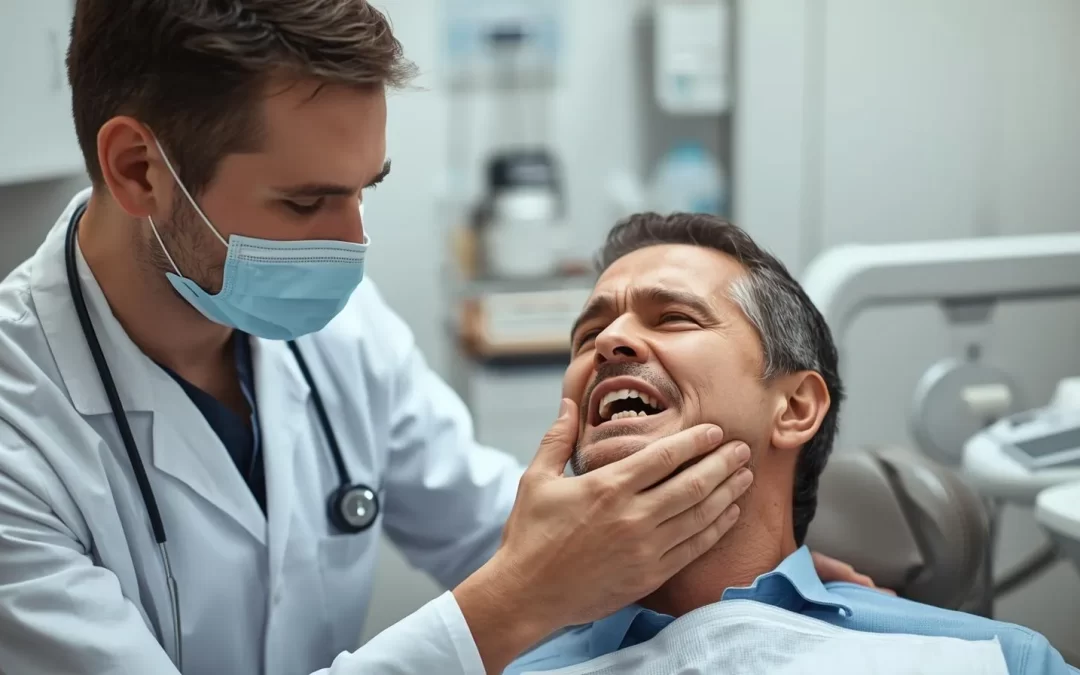
A sudden toothache, a broken tooth, or a swollen face can be scary and confusing. Many people are unsure what is considered a dental emergency and what can safely wait for a regular appointment. Knowing the difference can protect your health, save your teeth, and sometimes even prevent a life-threatening infection.
This guide explains common dental emergencies, how to recognize them, what to do at home, when to seek immediate care, and what to expect in terms of treatment, costs, and insurance.
Table of Contents
- What Is a Dental Emergency?
- Common Types of Dental Emergencies
- Symptoms and Signs You Should Not Ignore
- Treatment Options and What to Expect
- Cost and Insurance Considerations
- Risks, Recovery, and Prevention Tips
- When to See a Dentist Immediately vs. When It Can Wait
- Summary
- Frequently Asked Questions
What Is a Dental Emergency?
A dental emergency is any dental problem that needs immediate attention to stop severe pain, control bleeding, treat an infection, or save a tooth. In some cases, a dental emergency can also affect your overall health, breathing, or ability to swallow.
Not every tooth problem is an emergency. For example, a small chip that does not hurt or a lost filling without pain usually can wait a few days. However, intense pain, swelling, or trauma to the mouth often require urgent care.
In general, you should treat a situation as a dental emergency if:
- You are in severe or worsening pain.
- You have significant bleeding that does not stop.
- You have swelling in your face, jaw, or gums, especially with fever or trouble breathing.
- You have a tooth that has been knocked out or is very loose after an injury.
- You suspect a broken jaw or serious facial injury.
Common Types of Dental Emergencies
1. Severe Toothache
A toothache that keeps you from sleeping, makes it hard to eat, or requires constant pain medicine may be an emergency. This can be caused by deep decay, an abscess (infection), a cracked tooth, or nerve damage.
2. Knocked-Out Tooth (Avulsed Tooth)
If a permanent tooth is completely knocked out, it is one of the most urgent dental emergencies. Getting care within 30-60 minutes gives the best chance of saving the tooth.
3. Cracked, Broken, or Chipped Tooth
A minor chip without pain is usually not an emergency. But a large break, a crack that causes pain when biting, or a tooth broken down to the nerve should be seen quickly.
4. Dental Abscess or Swelling
An abscess is a pocket of infection, often seen as a pimple-like bump on the gums or as swelling in the face or jaw. It can cause severe pain, bad taste, and fever. This is a serious condition that needs prompt treatment.
5. Uncontrolled Bleeding
Bleeding after a tooth extraction or injury that does not slow down with gentle pressure after 15-20 minutes may be an emergency. This is especially important for people taking blood thinners.
6. Lost or Broken Filling, Crown, or Bridge
If a filling or crown falls out but you have little or no pain, it is usually urgent but not an emergency. However, if the tooth is very sensitive or painful, or if sharp edges are cutting your tongue or cheek, you should seek care soon.
7. Injury to the Soft Tissues (Lips, Tongue, Cheeks, Gums)
Cuts or tears inside the mouth that are deep, gaping, or bleeding heavily may need stitches and should be evaluated right away.
8. Possible Broken Jaw or Facial Bone
Jaw pain after an injury, difficulty opening or closing your mouth, or teeth that no longer fit together correctly can indicate a broken jaw. This is a medical emergency and requires immediate attention, often in a hospital emergency room.
Symptoms and Signs You Should Not Ignore
These symptoms often mean you are dealing with a true dental emergency:
- Throbbing tooth pain that does not improve with over-the-counter pain medicine.
- Swelling in your face, cheek, or jaw, especially if it is spreading.
- Fever, chills, or feeling very unwell along with a tooth or gum problem.
- Difficulty swallowing, speaking, or breathing.
- Bad taste or pus draining from around a tooth or gums.
- A tooth that is very loose or has been knocked out.
- Heavy bleeding from the mouth that will not stop.
If you have trouble breathing, chest pain, or swelling that affects your eyes or throat, call 911 or go to the nearest emergency room immediately.
Treatment Options and What to Expect
What Happens During an Emergency Dental Visit
Most emergency dental visits follow a similar step-by-step process:
- 1. Brief medical and dental history: The team will ask about your symptoms, medications, allergies, and any recent injuries.
- 2. Examination: The dentist will look at your teeth, gums, and mouth, and may gently tap or press on certain areas to find the source of pain.
- 3. X-rays: X-rays help find hidden problems like deep decay, cracks, or infections in the roots or bone.
- 4. Pain control: The dentist may use numbing medicine (local anesthesia), prescribe pain relievers, or suggest over-the-counter options.
- 5. Immediate treatment: The goal is to stop pain, control infection or bleeding, and stabilize the tooth or area.
- 6. Follow-up plan: You may need a second visit for a permanent solution, such as a crown, root canal, or replacement tooth.
Common Emergency Treatments
- For severe toothache or abscess: The dentist may drain the infection, prescribe antibiotics if needed, and perform a root canal or extraction depending on the tooth’s condition.
- For a knocked-out tooth: The dentist will try to reinsert the tooth into the socket and stabilize it with a splint. Time is critical.
- For broken or cracked teeth: Treatment can include bonding, a filling, a crown, or, in severe cases, a root canal or extraction.
- For lost fillings or crowns: The dentist may replace the filling or recement or remake the crown. Temporary materials may be used first.
- For soft tissue injuries: The dentist will clean the wound, control bleeding, and may place stitches.
At-Home Steps Before You See the Dentist
These tips can help while you are on your way or waiting for an emergency appointment:
- Toothache: Rinse with warm salt water, gently floss around the tooth, and take over-the-counter pain relievers as directed. Do not place aspirin directly on the tooth or gums.
- Knocked-out tooth: Handle the tooth by the crown (top), not the root. Rinse gently if dirty, do not scrub. Try to place it back in the socket and bite gently on gauze. If not possible, keep it in milk or in your cheek (for adults, not young children) and get to a dentist immediately.
- Broken tooth: Rinse your mouth, save any pieces, and apply a cold compress to reduce swelling.
- Bleeding: Apply gentle, firm pressure with clean gauze or a cloth for 15-20 minutes.
- Swelling: Use a cold pack on the outside of your face for 10-20 minutes at a time.
Cost and Insurance Considerations
The cost of emergency dental care can vary widely depending on the problem, the treatment needed, and where you live. The following are general ranges (not guarantees):
- Emergency exam and X-ray: $80-$250
- Simple tooth extraction: $150-$350 per tooth
- Surgical extraction (impacted or complex): $250-$600+ per tooth
- Root canal (front tooth): $500-$1,200
- Root canal (molar): $800-$1,800
- Crown: $900-$2,000 per tooth
- Re-cementing a crown: $80-$200
Dental insurance: Many plans cover a portion of emergency exams, X-rays, extractions, and root canals, especially if they are medically necessary. You may still have a copay, deductible, or percentage of the cost to pay out of pocket.
No insurance: Many dental offices offer payment plans, in-house discount memberships, or financing options through third-party companies. It is important to ask about costs and options before treatment whenever possible.
In true emergencies, such as severe infection or trauma, do not delay care because of cost worries. Untreated problems can become more serious and more expensive over time.
Risks, Recovery, and Prevention Tips
Risks of Delaying Emergency Dental Care
- Infection can spread to other areas of the face, neck, or body.
- Pain often becomes more severe and harder to control.
- A damaged tooth that might have been saved may need to be removed.
- Swelling can affect breathing or swallowing in serious cases.
Recovery After Emergency Treatment
Recovery depends on the type of treatment:
- After extractions: Mild to moderate soreness and swelling for a few days. You may need soft foods, ice packs, and pain medicine.
- After root canals: Tenderness when biting for a few days is common. A permanent crown is usually needed later.
- After reimplanting a tooth: The tooth may be splinted for several weeks. Follow-up visits are important to check healing.
Always follow your dentist’s instructions about eating, brushing, rinsing, and taking medications.
Prevention Tips
- Brush twice a day with fluoride toothpaste and floss daily.
- See your dentist regularly for checkups and cleanings.
- Wear a mouthguard during sports or activities with risk of impact.
- Avoid chewing ice, hard candy, or non-food items that can crack teeth.
- Address small problems (like sensitivity or minor chips) early before they become emergencies.
When to See a Dentist Immediately vs. When It Can Wait
Seek Immediate Emergency Dental Care If:
- You have severe tooth or jaw pain that is constant or worsening.
- Your face, jaw, or gums are swollen, especially with fever or difficulty swallowing.
- A permanent tooth is knocked out or very loose after an injury.
- You have uncontrolled bleeding from the mouth.
- You suspect a broken jaw or serious facial injury.
Call for a Soon (But Not Same-Day) Appointment If:
- You have a mild toothache that comes and goes.
- You lost a filling or crown but have little or no pain.
- You have a small chip in a tooth without sensitivity.
- You notice a rough edge or minor irritation in your mouth.
When in doubt, call a dental office and describe your symptoms. They can help you decide whether you need same-day emergency care or a scheduled visit.
Summary
Understanding what is considered a dental emergency can help you act quickly and wisely. Severe pain, swelling, trauma, uncontrolled bleeding, and knocked-out teeth usually require immediate attention. Mild discomfort or cosmetic issues can often wait for a regular appointment.
If you are unsure, it is always safer to call a dentist, explain your symptoms, and get professional guidance. Prompt care can relieve pain, protect your health, and often save your teeth.
Frequently Asked Questions
Is a toothache always a dental emergency?
No. A mild toothache that comes and goes is usually not an emergency, but it should still be checked soon. A toothache is an emergency if the pain is severe, constant, keeps you from sleeping, or is combined with swelling, fever, or difficulty swallowing.
Should I go to the ER or the dentist for a dental emergency?
For most dental emergencies, an emergency dentist is the best choice. Go to the ER or call 911 if you have trouble breathing, severe facial swelling, heavy bleeding that will not stop, or a suspected broken jaw, as these can be life-threatening.
Can a knocked-out tooth be saved?
Often, yes-especially if it is a permanent tooth and you get care quickly. Handle the tooth by the crown, gently rinse if needed, try to place it back in the socket, or keep it in milk, and see a dentist immediately. The first hour is critical.
Will insurance cover emergency dental treatment?
Many dental insurance plans cover part of emergency exams, X-rays, extractions, and root canals, but coverage varies. You may still have deductibles or copays. It is a good idea to bring your insurance information and ask the office to check your benefits.
What if I cannot afford emergency dental care?
Do not ignore serious symptoms because of cost. Ask the dental office about payment plans, in-house discount programs, or financing options. Some community clinics and dental schools offer reduced-fee services based on income.
How can I reduce my chances of needing emergency dental care?
Good daily brushing and flossing, regular dental checkups, wearing a mouthguard during sports, and avoiding very hard foods or objects can greatly lower your risk. Treating small problems early is one of the best ways to prevent emergencies later.
Taking quick, informed action during a dental emergency can make a major difference in your comfort and long-term oral health. If you are experiencing symptoms that worry you, contact a dental professional as soon as possible to get the care and reassurance you need.