
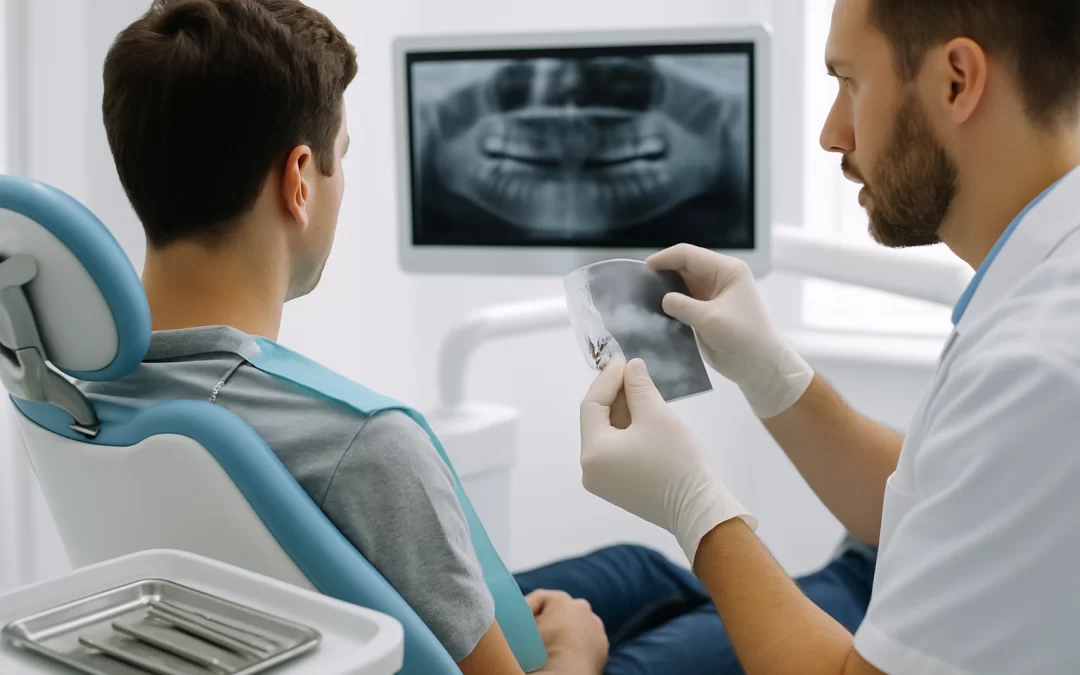
Invisalign with insurance typically costs between $1,500 and $4,000 out of pocket for most patients in the U.S. The exact amount depends on your insurance plan, how complex your case is, and your dentist or orthodontist’s fees. Many dental plans cover Invisalign the same way they cover braces, often paying 25%–50% of the total cost up to a lifetime maximum. However, some plans do not cover clear aligners at all, so it is important to verify your benefits before starting treatment.
Invisalign is a popular way to straighten teeth using clear, removable aligners instead of metal braces. If you are trying to budget for treatment, understanding how insurance works with Invisalign can help you avoid surprises. This guide explains typical costs, how coverage works, and what to expect so you can make an informed decision.
Table of Contents
- What Is Invisalign?
- How Invisalign Treatment Works
- Typical Invisalign Cost Without Insurance
- How Much Is Invisalign With Insurance?
- Factors That Affect Invisalign Cost and Insurance Coverage
- Common Insurance Rules for Invisalign
- Realistic Out-of-Pocket Cost Examples
- Payment Options and Ways to Save
- What to Expect During Invisalign Treatment
- Risks and Limitations of Invisalign
- When to See a Dentist or Orthodontist
- Frequently Asked Questions
- Summary and Next Steps
What Is Invisalign?
Invisalign is an orthodontic treatment that uses a series of clear plastic trays (aligners) to gently move your teeth into better alignment. The aligners are custom-made to fit your mouth and are changed every 1–2 weeks as your teeth shift.
People choose Invisalign because the trays are:
- Clear and less noticeable than metal braces
- Removable for eating, brushing, and flossing
- Usually more comfortable than brackets and wires
Invisalign can treat many of the same issues as braces, including crowding, gaps, overbites, underbites, and crossbites, depending on the severity of the case.
How Invisalign Treatment Works
Step-by-step overview
While every case is unique, most Invisalign treatments follow a similar process:
- Consultation: Your dentist or orthodontist examines your teeth, takes X-rays, and discusses your goals to see if Invisalign is appropriate.
- Digital scan and planning: A 3D scan or impressions of your teeth are used to design a custom treatment plan and preview your expected results.
- Aligner fabrication: A series of clear aligners is made based on your treatment plan.
- Wearing aligners: You wear each set of aligners 20–22 hours per day, switching to a new set every 1–2 weeks.
- Checkups: You visit your provider every 6–10 weeks to monitor progress and receive new aligners.
- Retention: After treatment, you wear retainers to help keep your teeth in their new positions.
How long does Invisalign take?
Most Invisalign treatments last 6 to 18 months, depending on how complex your case is and how consistently you wear your aligners. Mild spacing or crowding can sometimes be corrected in under a year, while more involved bite problems may take longer.
If you are comparing treatment times and options, you may also find it helpful to review information on how long braces take and how Invisalign compares to traditional braces.
Typical Invisalign Cost Without Insurance
Before looking at insurance, it helps to know the full price of Invisalign. In the United States, the average total cost of Invisalign without insurance ranges from about $3,000 to $8,000.
General ranges by case type:
- Mild cases: $3,000–$4,500
- Moderate cases: $4,500–$6,500
- Complex cases: $6,500–$8,000 or more
This total usually includes the consultation, records (X-rays, photos, scans), all aligners, routine checkups, and basic retainers at the end. Some offices may charge separately for replacement aligners or upgraded retainers.
For a deeper breakdown of typical fees and what affects them, you can review detailed estimates in Invisalign cost in 2026.
How Much Is Invisalign With Insurance?
Typical out-of-pocket cost range
When you have orthodontic coverage, insurance often pays for part of Invisalign, similar to braces. For many patients, this brings the out-of-pocket cost down to about $1,500–$4,000, depending on your plan and total treatment fee.
Common insurance contributions include:
- Percentage coverage: 25%–50% of the total Invisalign cost
- Lifetime maximum: Often $1,000–$3,000 for orthodontic treatment per person
- Age limits: Some plans only cover dependents under 18 or 19
How insurance payments usually work
Most dental insurance plans do not pay everything at once. Instead, they may:
- Pay an initial portion when treatment starts
- Pay the remaining benefit over several months as treatment continues
Your provider’s office typically sends claims directly to the insurance company, and your remaining balance is what you pay out of pocket, often through a payment plan.
Factors That Affect Invisalign Cost and Insurance Coverage
1. Complexity of your case
The more movement your teeth need, the more aligners and appointments are required, which increases cost. Mild crowding or spacing is usually less expensive than correcting significant bite problems or rotated teeth.
2. Type of Invisalign treatment
There are different Invisalign options, such as:
- Invisalign Express or Lite: For minor corrections, usually fewer aligners and lower cost
- Full Invisalign: For moderate to complex cases, more aligners and higher cost
Insurance may cover these similarly, but your out-of-pocket cost will still depend on the total fee and your plan’s maximum.
3. Your dental insurance plan
Not all dental plans include orthodontic coverage, and not all orthodontic coverage includes Invisalign. Key plan details that affect your cost include:
- Whether orthodontics is covered at all
- Whether clear aligners like Invisalign are included or excluded
- The percentage the plan pays (e.g., 50%)
- The orthodontic lifetime maximum per person
- Any age limits or waiting periods
4. In-network vs. out-of-network providers
If your dentist or orthodontist is in-network with your insurance, they have agreed to certain fee limits, which can lower your overall cost. Out-of-network providers may still be covered, but your plan might pay a smaller portion, leaving you with a higher balance.
5. Location and provider experience
Fees can vary by region and by provider. Urban areas and highly experienced Invisalign providers may charge more, but they may also offer more predictable results and efficient treatment plans.
Common Insurance Rules for Invisalign
Age limits
Many dental plans only cover orthodontic treatment for children or teens, often up to age 18 or 19. Some plans now include adult orthodontic coverage, but it is less common.
Waiting periods
Certain plans require you to be enrolled for a set time (for example, 6–12 months) before orthodontic benefits begin. If you start Invisalign before the waiting period ends, the plan may not pay.
Pre-authorization or pre-determination
Some insurers ask for a pre-authorization or pre-determination before you begin treatment. Your provider submits your records and treatment plan, and the insurance company estimates what they will cover. This is not always a guarantee of payment, but it gives you a clearer idea of your expected benefits.
Coverage for replacement aligners and retainers
Insurance usually covers the main course of treatment, not lost or broken aligners. Retainers at the end of treatment may be partially covered or may be an additional out-of-pocket cost, depending on your plan and provider.
Realistic Out-of-Pocket Cost Examples
These examples are simplified and for illustration only. Actual costs vary by provider, region, and plan.
Example 1: Mild case with good coverage
- Total Invisalign fee: $4,000
- Insurance covers 50% up to $2,000 lifetime maximum
- Insurance pays: $2,000
- Patient out-of-pocket: $2,000
Example 2: Moderate case with limited coverage
- Total Invisalign fee: $5,500
- Insurance covers 50% up to $1,500 lifetime maximum
- Insurance pays: $1,500
- Patient out-of-pocket: $4,000
Example 3: Adult patient with no orthodontic coverage
- Total Invisalign fee: $5,000
- Insurance orthodontic benefit: none
- Insurance pays: $0
- Patient out-of-pocket: $5,000 (often with a monthly payment plan)
Payment Options and Ways to Save
Monthly payment plans
Most dental and orthodontic offices offer payment plans that spread your Invisalign cost over many months. This can make treatment more affordable, even if your insurance coverage is limited.
Health savings accounts (HSA) and flexible spending accounts (FSA)
If you have an HSA or FSA, you can usually use these pre-tax funds to pay for Invisalign. This can effectively lower your cost by reducing your taxable income.
In-office discounts and promotions
Some offices offer:
- Discounts for paying in full at the start of treatment
- Family or multiple-treatment discounts
- Seasonal promotions or special offers
Always ask what options are available before you decide.
Comparing Invisalign with other options
In some cases, traditional braces or other clear aligner systems may be less expensive. If you are deciding between options, you may find it useful to compare Invisalign vs. braces in terms of cost and effectiveness and to discuss these choices with your provider.
What to Expect During Invisalign Treatment
Comfort and soreness
You may feel pressure or mild soreness for a few days each time you switch to a new set of aligners. This is a normal sign that your teeth are moving. Most people find Invisalign more comfortable than braces because there are no metal brackets or wires.
Daily wear time
For Invisalign to work properly, you must wear your aligners 20–22 hours per day. You remove them only for eating, drinking anything other than water, brushing, and flossing. Not wearing them enough can lengthen treatment time and increase cost if extra aligners are needed.
Eating and oral hygiene
You can eat most foods you like because you remove the aligners to eat. However, you should:
- Brush or rinse your teeth before putting aligners back in
- Avoid sugary drinks while aligners are in
- Clean aligners regularly to prevent staining and odor
Follow-up visits
Expect to see your dentist or orthodontist every 6–10 weeks. These visits are usually quick and allow your provider to check your progress, make adjustments if needed, and give you your next sets of aligners.
Risks and Limitations of Invisalign
Invisalign is safe for most people, but like any treatment, it has limitations and potential risks.
- Compliance-dependent: If you do not wear the aligners as directed, your teeth may not move correctly, and treatment may take longer or cost more.
- Not ideal for every case: Very complex bite problems or severe rotations may still be better treated with traditional braces or a combination of methods.
- Minor discomfort: Temporary soreness, pressure, or irritation of the cheeks and tongue can occur, especially at the beginning of treatment.
- Relapse risk: Teeth can shift back over time if you do not wear retainers as recommended after treatment.
Your provider will review your specific situation and let you know whether Invisalign is a good option for your needs and goals.
When to See a Dentist or Orthodontist
Consider scheduling a consultation if you:
- Are unhappy with crowded, crooked, or gapped teeth
- Have a bite that feels “off,” causing difficulty chewing or jaw discomfort
- Are comparing Invisalign with braces and want a professional opinion
- Have dental insurance and want to know exactly how much Invisalign would cost you
You should seek prompt care if you experience:
- Significant tooth or jaw pain
- Broken or loose teeth
- Sudden changes in your bite or ability to close your mouth comfortably
A dentist or orthodontist can examine your teeth, review your insurance benefits, and provide a personalized treatment and cost estimate so you know what to expect before you begin.
Frequently Asked Questions
Does dental insurance cover Invisalign?
Many dental insurance plans that include orthodontic benefits will cover Invisalign similarly to braces, often paying 25%–50% of the total cost up to a lifetime maximum. However, some plans exclude clear aligners or only cover treatment for children, so it is important to check your specific policy.
How can I find out exactly how much Invisalign will cost with my insurance?
The most accurate way is to schedule a consultation and have the office run a benefits check with your insurance company. They can request a pre-determination or estimate, which outlines how much the plan is expected to pay and what your out-of-pocket cost will be.
Is Invisalign cheaper than braces with insurance?
In many cases, Invisalign and braces are covered at the same percentage by insurance, but the total fees may differ. Sometimes braces are slightly less expensive, while in other cases the costs are similar; your provider can give you side-by-side estimates for both options.
Can I use my HSA or FSA to pay for Invisalign?
Yes, Invisalign is generally considered an eligible medical expense for health savings accounts (HSA) and flexible spending accounts (FSA). Using these pre-tax funds can reduce your overall cost, but be sure to confirm details with your plan administrator.
What if my insurance does not cover Invisalign at all?
If your plan does not include orthodontic coverage or excludes clear aligners, you will pay the full treatment cost out of pocket. Many offices offer monthly payment plans, discounts for paying in full, or can help you explore other financing options to make treatment more affordable.
Is Invisalign worth the cost?
For many patients, Invisalign is worth the investment because it can improve both appearance and oral health with a discreet, comfortable treatment. Whether it is right for you depends on your goals, budget, and insurance coverage; discussing your options and reviewing information such as whether Invisalign is worth it can help you decide.
Summary and Next Steps
Invisalign with insurance typically costs most patients $1,500–$4,000 out of pocket, depending on the complexity of treatment and the details of their dental plan. Insurance often covers a portion of the fee, but coverage varies widely, and some plans do not include clear aligners at all.
The best way to know your exact cost is to schedule a consultation, have your teeth and bite evaluated, and ask the office to verify your insurance benefits. With a clear treatment plan and a written cost estimate, you can decide confidently whether Invisalign is the right choice for your smile and your budget.
If you are considering Invisalign, contact a trusted dentist or orthodontist in your area to review your options, check your coverage, and create a personalized plan that fits your needs and finances.

Dr. Carter is a dental content contributor who focuses on explaining dental procedures, costs, and treatment options in clear, patient-friendly terms. His work is designed to help readers understand what to expect and how to make informed decisions about their oral health.
Content on DentalServices.us is created for educational purposes and is based on current dental guidelines and publicly available information. It is not a substitute for professional dental advice, diagnosis, or treatment.